



Fructus Aurantii

Fructus Aurantii (枳壳) | Food Art Store

Fructus Aurantii

枳壳 · Zhǐ Qiào
Citrus aurantium L.

The aromatic citrus fruit of Chinese Qi regulation — Fructus Aurantii moves stagnant Qi, reduces distension and fullness, transforms phlegm, and gently promotes the smooth downward flow of digestive energy.

Taste & Nature
Bitter, Pungent & Slightly Cold
Part Used
Immature Fruit
Channels Entered
Spleen & Stomach
TCM Category
Qi-Regulating
Family
Rutaceae
Fructus Aurantii

What Is Fructus Aurantii?

Fructus Aurantii (Zhi Qiao, 枳壳) is the dried immature fruit of Citrus aurantium (Bitter Orange) — closely related to but distinct from Zhi Shi (枳实, the younger, smaller fruit), which is more powerfully breaking and descending. Zhi Qiao is the larger, more mature fruit, with a milder, broader action on Qi regulation — particularly suited to conditions of the chest and flanks where a gentler approach is needed.

Bitter, pungent, and slightly cold in nature, Fructus Aurantii enters the Spleen and Stomach channels. Its primary action is to promote Qi movement, reduce distension, and relieve the fullness, bloating, and oppressive sensation of Qi stagnation in the chest, flanks, and abdomen. It also transforms phlegm-damp when dampness and Qi stagnation combine to obstruct the middle and upper burners. Its milder nature compared to Zhi Shi makes it preferred for conditions requiring long-term Qi regulation without excessive descending force.

History & Origin

Fructus Aurantii has been used in Chinese medicine since the Han Dynasty, with a clear distinction between the immature fruit (Zhi Shi) and the more mature fruit (Zhi Qiao) established in classical texts and maintained in clinical practice to this day.

Han Dynasty — Shang Han Lun
The immature fruit (Zhi Shi) appears in Zhang Zhongjing's classical formulas for chest Bi (obstruction) and constipation — establishing the citrus fruit's central role in Qi regulation that would later differentiate into Zhi Shi and Zhi Qiao.
Tang Dynasty — Distinction Established
The larger, more mature form (枳壳, Zhi Qiao) was clearly distinguished from the smaller Zhi Shi in Tang Dynasty materia medica — the broader, milder Qi-regulating action of Zhi Qiao becoming a separate clinical tool.
Ming Dynasty — Bencao Gangmu (1596)
Li Shizhen clearly documented the distinction between Zhi Shi (breaking, powerful) and Zhi Qiao (regulating, broader action), with Zhi Qiao noted for chest and flank Qi stagnation, phlegm, and distension.
Modern Era
Research has identified hesperidin, naringenin, synephrine, and nobiletin with anti-inflammatory, gut-motility promoting, blood pressure-modulating, and antioxidant properties.

Traditional Uses

Promotes Qi & Reduces Distension

The primary action — moves stagnant Qi through the chest, flanks, and abdomen to relieve bloating, fullness, and the oppressive, distending sensation of Qi stagnation.

Relieves Chest Oppression

Used for chest tightness and oppression from Qi and phlegm-damp obstruction in the upper burner — milder and broader than Zhi Shi for chest conditions.

Transforms Phlegm & Dampness

Combines Qi-moving and phlegm-transforming actions to address conditions where Qi stagnation and phlegm-damp combine — used for phlegm accumulation with distension and fullness.

Relieves Flank Discomfort

Particularly effective for flank distension and discomfort from Liver-Spleen Qi stagnation — the flanks being the territory of the Liver channel.

Relieves Constipation from Qi Stagnation

By promoting Qi flow through the intestines, helps resolve constipation from Qi stagnation rather than fluid deficiency — used for difficulty in bowel movement with bloating.

Supports Organ Prolapse (Historical Use)

Classical use for organ prolapse (rectal, uterine, or stomach) from Spleen Qi sinking — combined with Qi-raising herbs to support healthy organ positioning.

Health Benefits

  • 💨
    Qi Flow PromotionMoves stagnant Qi through the chest and abdomen — relieving bloating, fullness, and oppressive distension.
  • 🌿
    Phlegm TransformationResolves phlegm-damp combined with Qi stagnation — clearing obstruction from the middle and upper burners.
  • 🏥
    Gentle RegulationMilder than Zhi Shi — suitable for long-term Qi regulation without excessive descending force.
  • 🔬
    Bioactive CompoundsHesperidin, naringenin, and synephrine researched for gut motility, anti-inflammatory, and antioxidant properties.
  • 🥣
    Digestive ComfortRelieves the discomfort of post-meal bloating, trapped wind, and abdominal distension from Qi stagnation.

Soups Featuring Fructus Aurantii

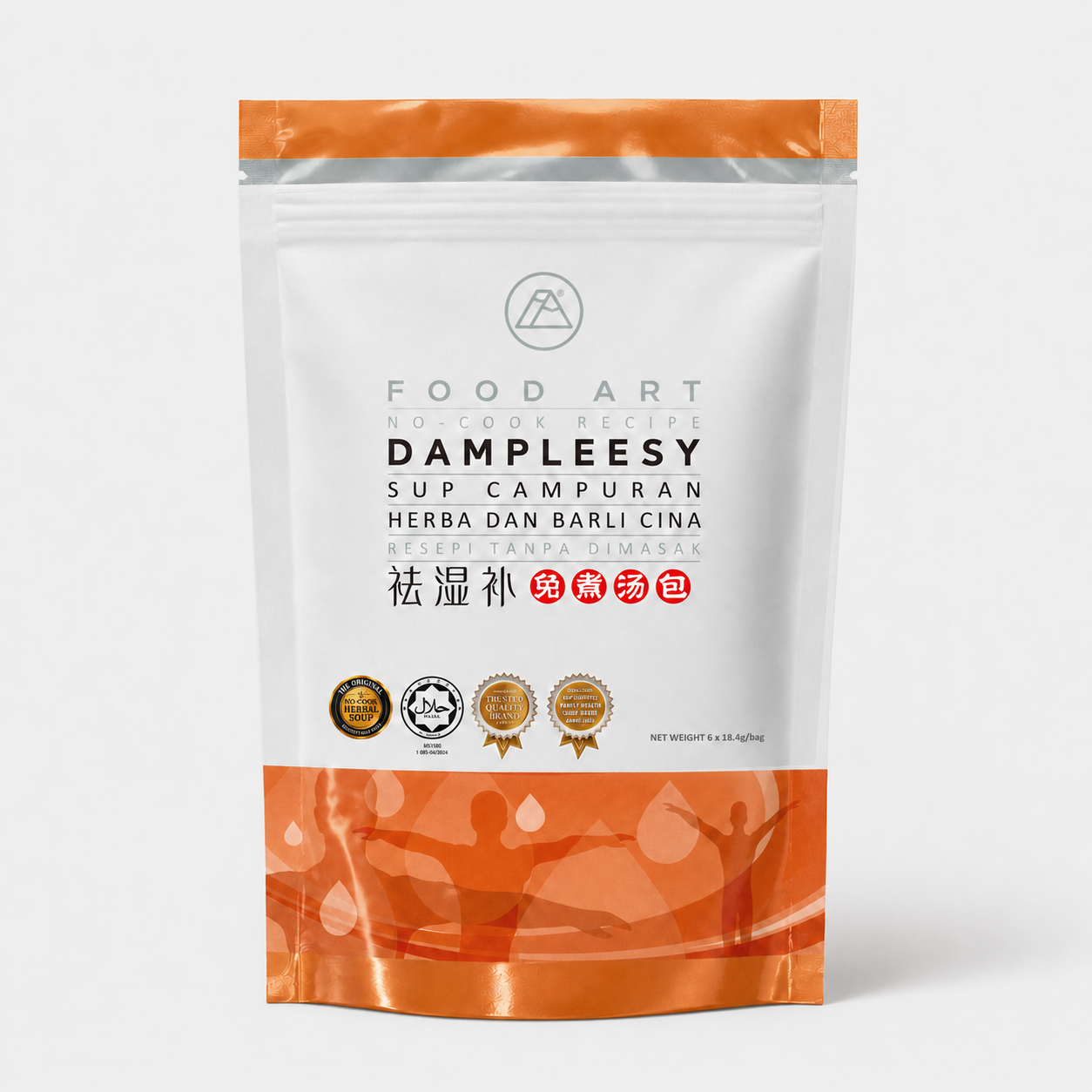
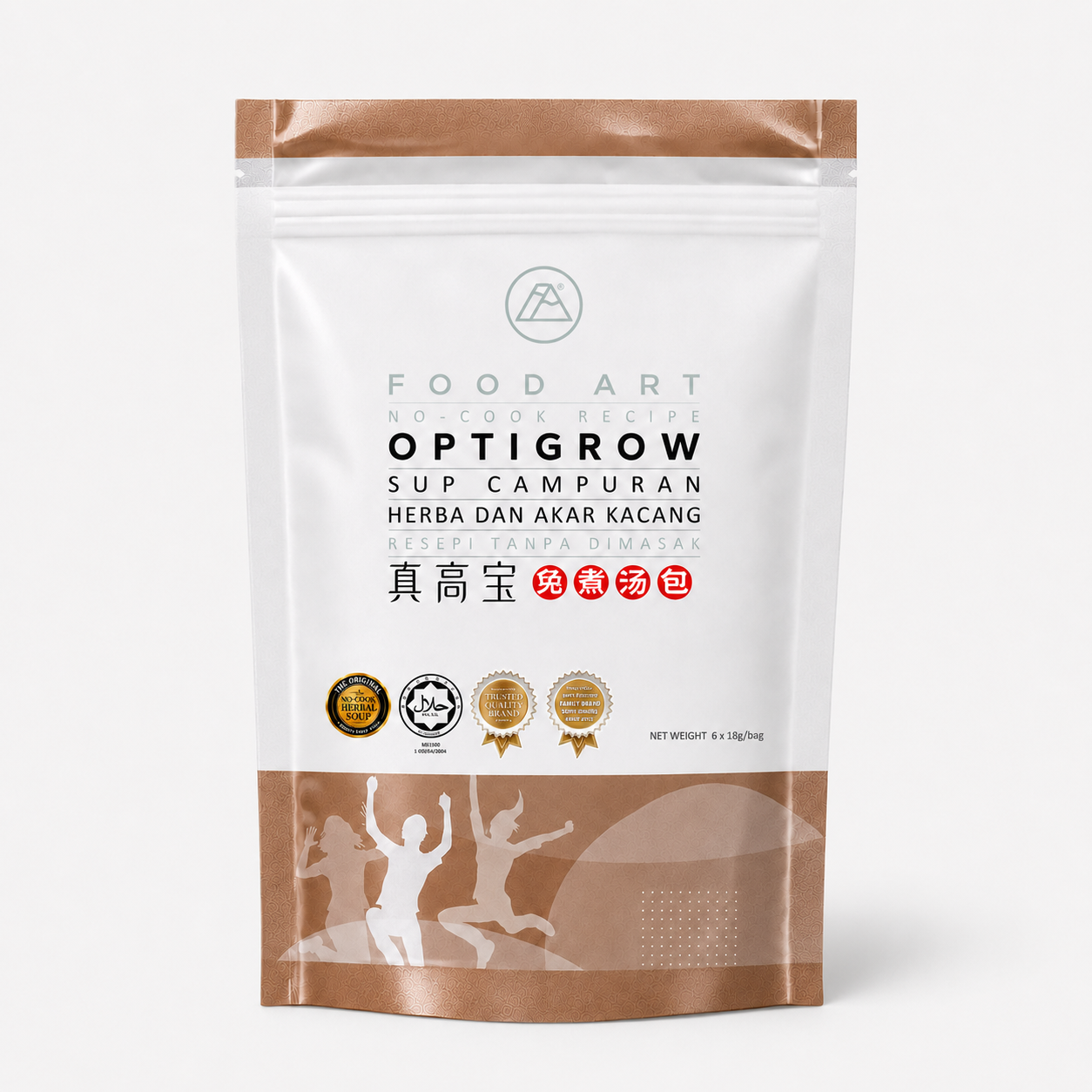
Fructus Aurantii is a key ingredient in these Food Art no-cook herbal soups, thoughtfully formulated to deliver its nourishing benefits in a convenient, ready-to-brew format.

Get Fit

Get Fit

From S$21.50
View Product
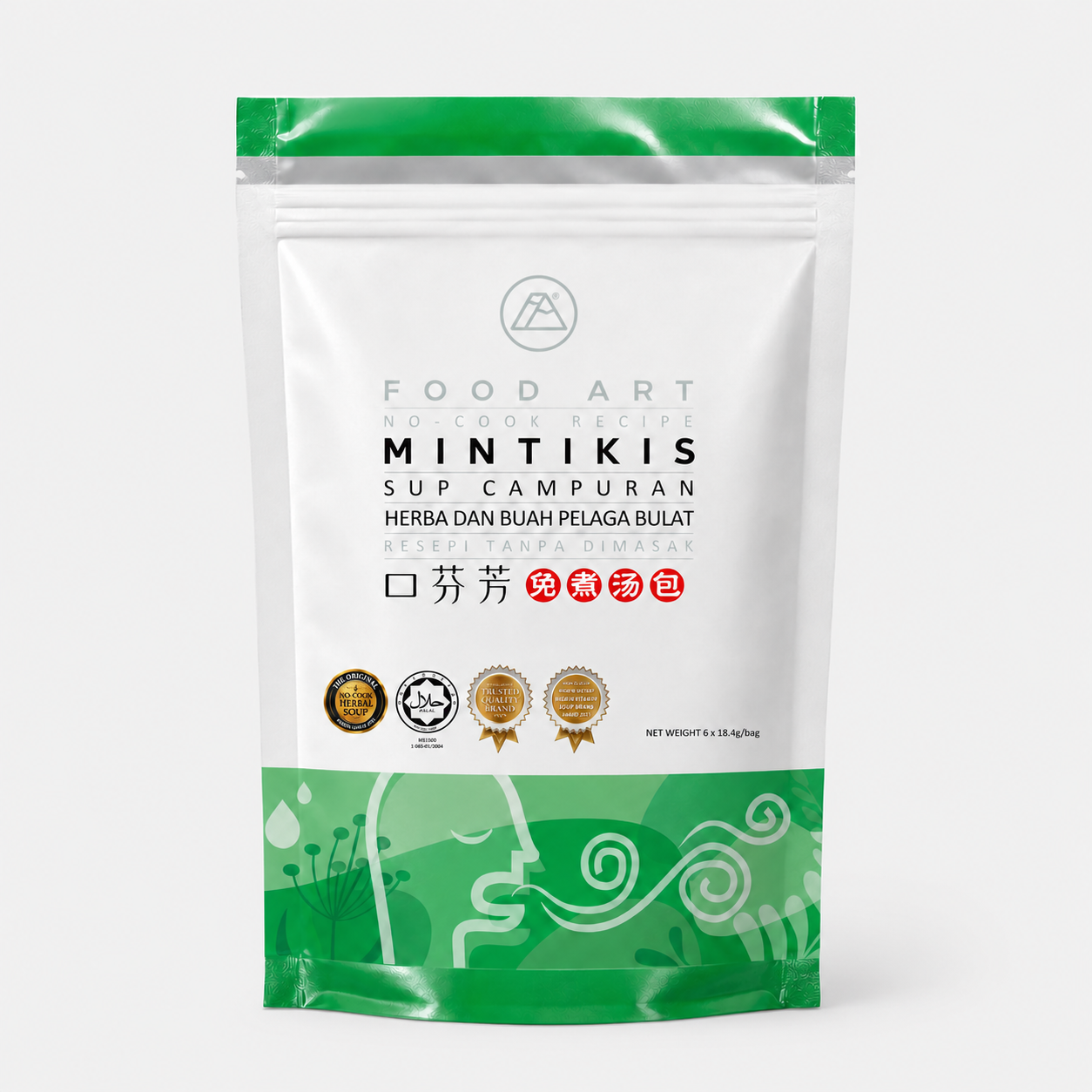
Mintikis

Mintikis

From S$18.50
View Product

The information on this page is for educational and informational purposes only and is not intended as medical advice. Please consult a qualified healthcare practitioner before using any herbal products.