





Cibot Rhizome

Cibot Rhizome (狗脊) | Food Art Store

Cibot Rhizome

狗脊 · Gǒu Jǐ
Cibotium barometz (L.) J.Sm.

A warming, strengthening rhizome for the spine and lower body — Cibot Rhizome expels Wind-Damp, tonifies the Liver and Kidney, and supports the back, knees, and sinews.

Taste & Nature
Bitter, Sweet & Warm
Part Used
Rhizome
Channels Entered
Liver & Kidney
TCM Category
Wind-Damp Dispelling & Tonifying
Family
Cibotiaceae
Cibot Rhizome

What Is Cibot Rhizome?

Cibot Rhizome (Gou Ji, 狗脊) is the dried rhizome of the Woolly Fern (Cibotium barometz), covered in a distinctive golden-yellow woolly hair that gives it the appearance of a crouching dog — hence its name, meaning "dog's spine." It is a unique herb that bridges two key therapeutic actions: expelling pathogenic Wind-Damp and tonifying the Liver and Kidney.

Bitter, sweet, and warm in nature, Cibot Rhizome enters the Liver and Kidney channels. Its bitter quality dispels Wind-Damp from the channels and joints, while its warm, sweet nature simultaneously tonifies the Liver and Kidney — strengthening the bones, sinews, and lower back. This dual action makes it particularly valuable for chronic back pain, knee weakness, and joint stiffness from a combination of deficiency and Wind-Damp.

History & Origin

Gou Ji, the golden-haired rhizome of Cibotium, has been used for over two thousand years to tonify the Liver and Kidney, strengthen the lower back and knees, and dispel Wind-Damp.

Han Dynasty (206 BCE to 220 CE)
Listed in the Shennong Bencao Jing; valued for strengthening the sinews and bones and easing Bi pain.
Tang Dynasty (618 to 907 CE)
Used for low back and knee weakness, stiffness, and Wind-Damp obstruction.
Song Dynasty (960 to 1279 CE)
Incorporated into formularies for Liver-and-Kidney deficiency with weak lower limbs.
Ming Dynasty (1368 to 1644 CE)
Bencao Gangmu described its warming, tonifying action for the lower back and its golden down used to stop bleeding.
Modern Era
Studied for anti-inflammatory, bone-supporting, and haemostatic properties.

Traditional Uses

Dispels Wind-Cold-Damp

Removes pathogenic Wind, Cold, and Dampness from the channels and joints — particularly the back, spine, hips, and knees.

Tonifies Liver & Kidney

Strengthens the Liver and Kidney — the organs governing bones, sinews, and lower body strength in TCM.

Strengthens the Back & Knees

A premier herb for lower back pain and knee weakness — whether from deficiency, Wind-Damp obstruction, or a combination of both.

Stabilises Kidney Qi

Its astringent quality gently stabilises Kidney Qi, used for frequent urination and urinary incontinence from Kidney deficiency.

Supports the Spine

Traditionally used to strengthen and support the spinal column in conditions of weakness, stiffness, and difficulty standing or walking.

Warms & Nourishes the Sinews

Warms the channels and nourishes the sinews (tendons and ligaments), reducing stiffness and improving flexibility in cold-damp conditions.

Health Benefits

  • 🦴
    Back & Spine SupportA premier herb for the spine and lower back — strengthening, warming, and relieving stiffness.
  • 💪
    Knee & Joint StrengthTonifies Liver and Kidney to build structural strength in the knees and lower extremities.
  • 🌊
    Wind-Damp ReliefExpels pathogenic Wind-Cold-Damp from the back, hips, and knees to relieve pain and stiffness.
  • Kidney VitalityStrengthens Kidney Qi to support energy, urinary control, and lower body vitality.
  • 🔬
    Anti-inflammatoryContains polyprenols and flavonoids studied for anti-inflammatory and bone-protective properties.

Soups Featuring Cibot Rhizome

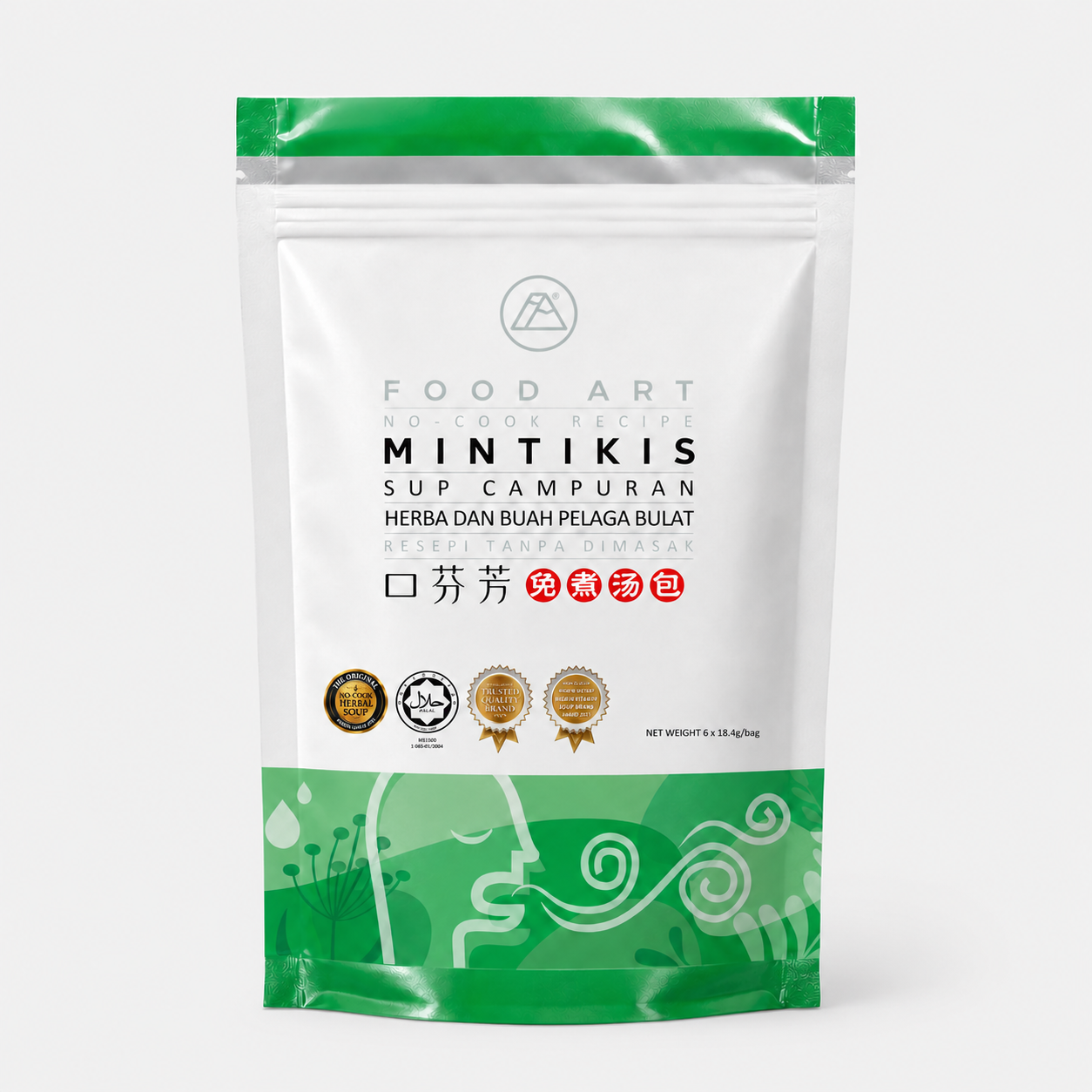
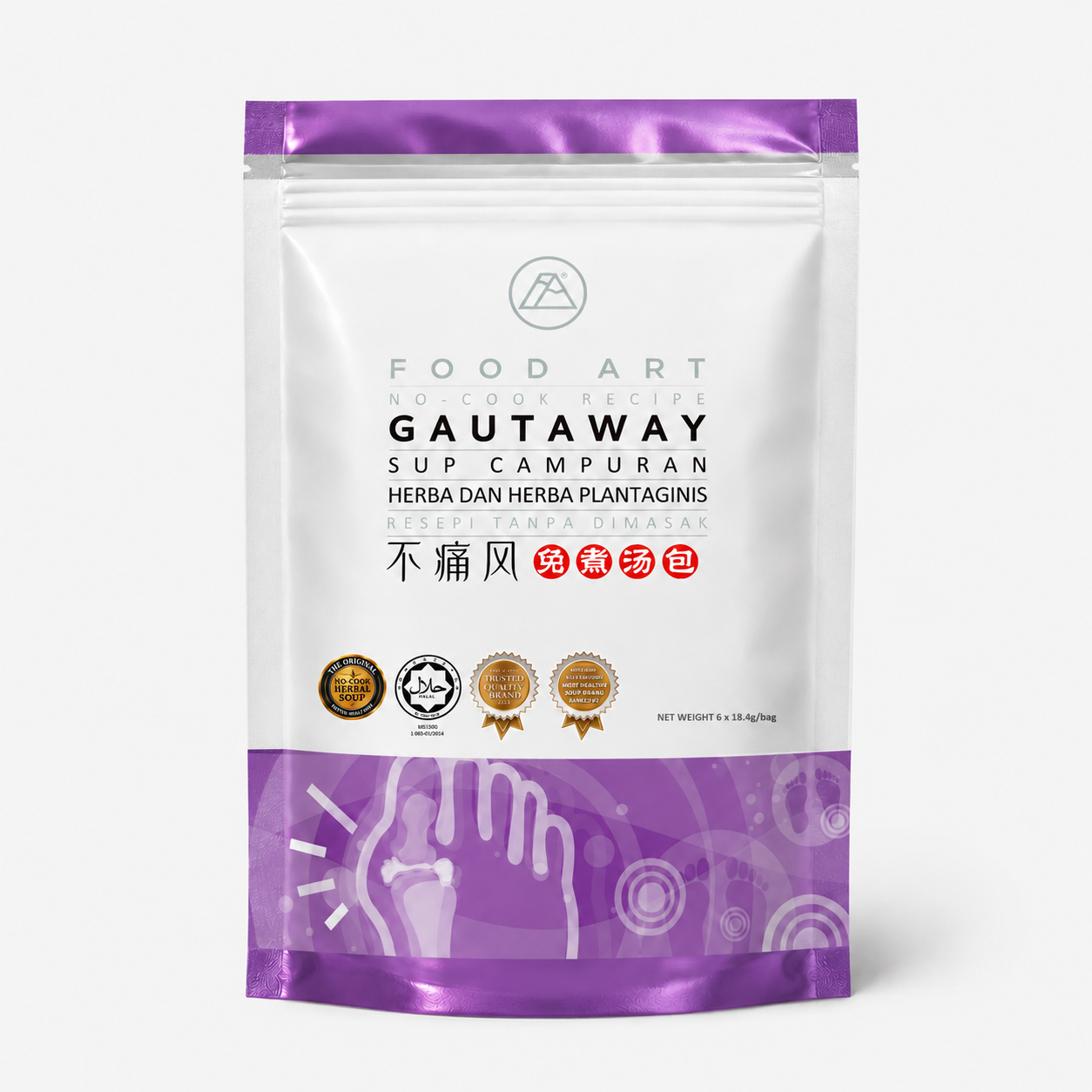
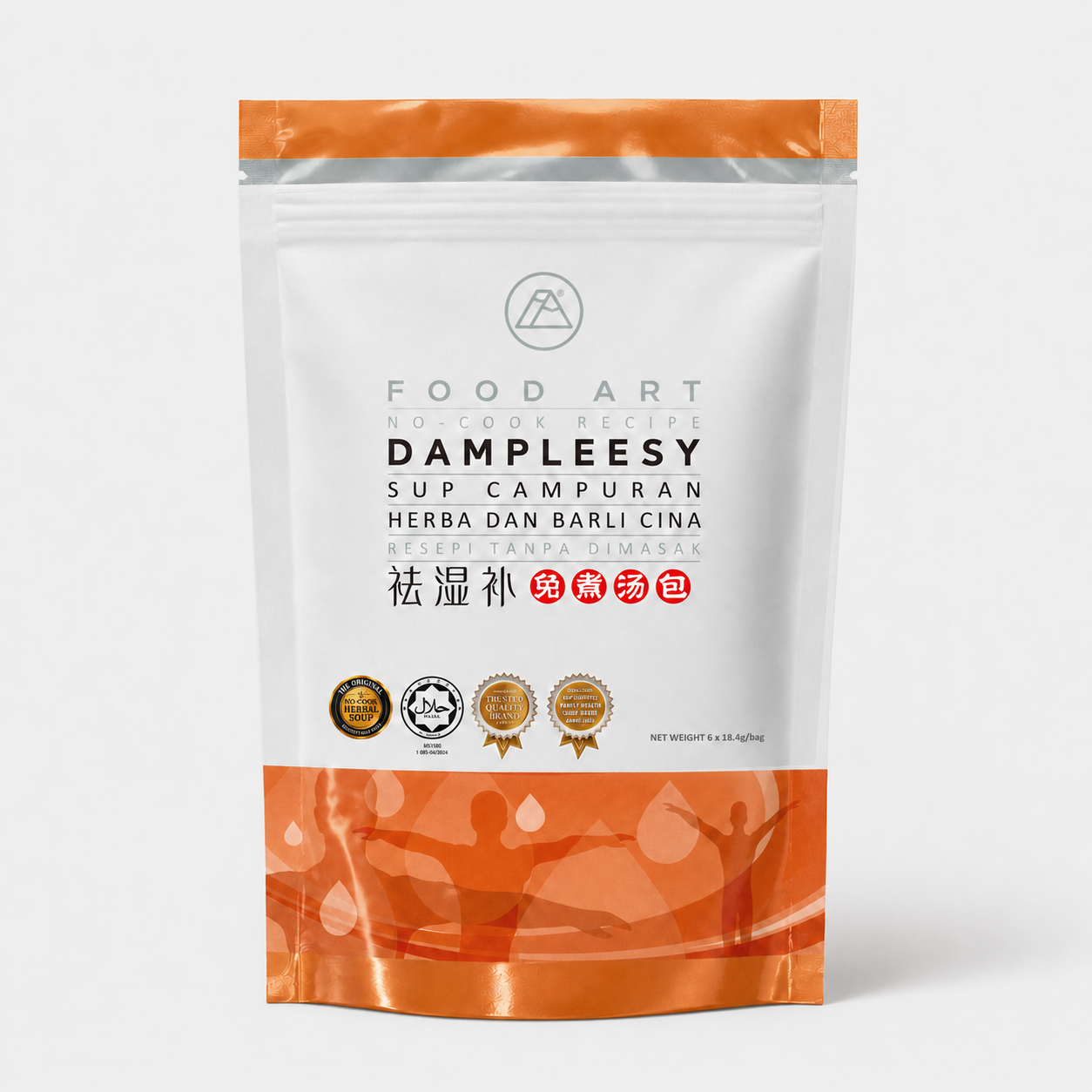
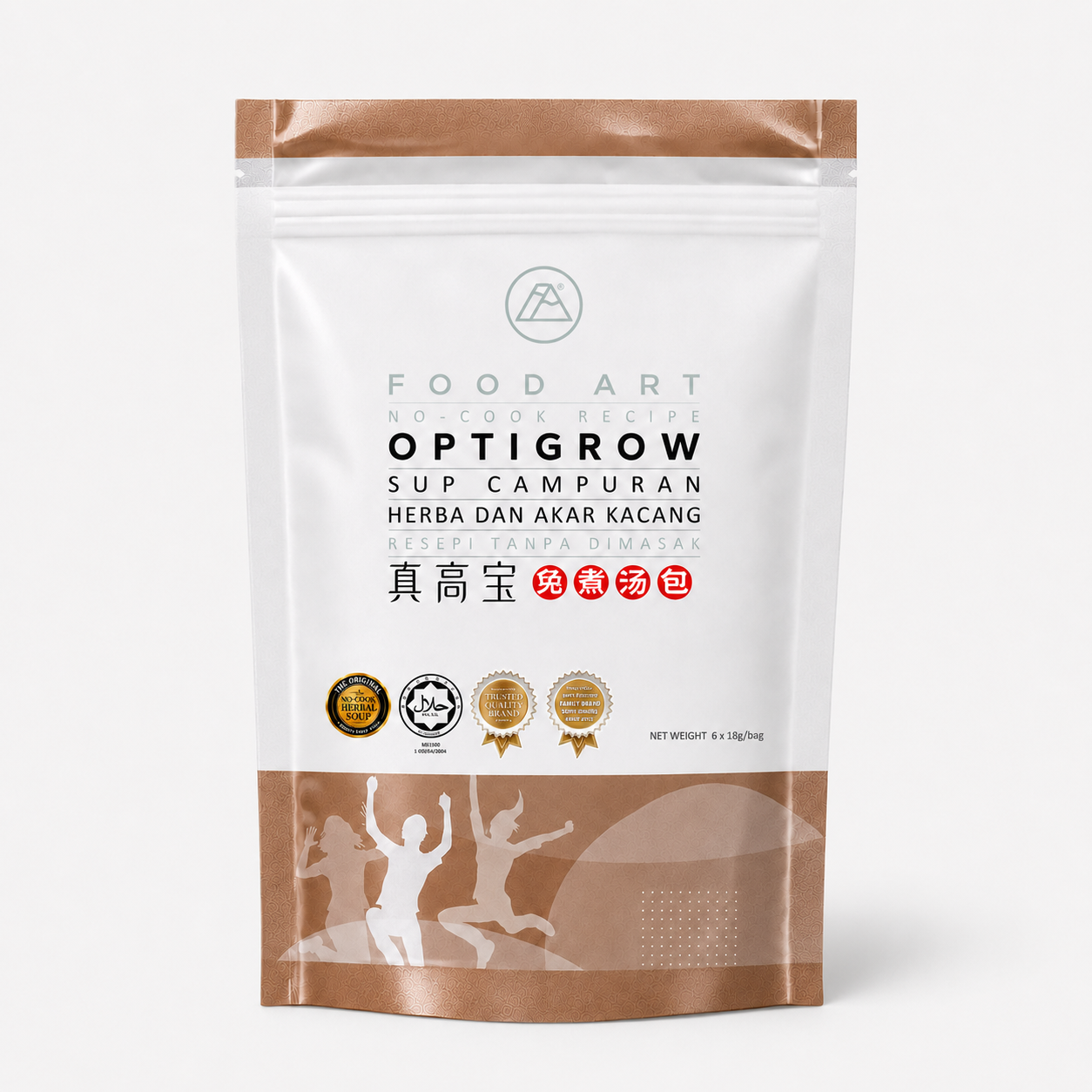
Cibot Rhizome is a key ingredient in these Food Art no-cook herbal soups, thoughtfully formulated to deliver its nourishing benefits in a convenient, ready-to-brew format.

Proticare

Proticare

From S$21.50
View Product

This content is for educational purposes only and does not constitute medical advice. Consult a qualified healthcare professional before using any herbal supplement, especially if you are pregnant, nursing, or taking medication.