




Panax Ginseng
Raja herba tonik — akar utama Panax ginseng menyubur Qi asal secara mendalam, menyelamatkan keruntuhan, menenangkan semangat, dan telah dihormati selama lima ribu tahun sebagai kemuncak perubatan herba Cina.

Apakah Panax Ginseng?
Panax Ginseng — akar tunjang berisi utama Panax ginseng C.A.Mey. — berdiri tersendiri sebagai herba paling terkenal dan berkuasa dari segi klinikal dalam farmakopia Cina. Berasal dari hutan pergunungan sejuk di Manchuria, Korea, dan Siberia, akar ginseng memerlukan lima hingga sepuluh tahun pertumbuhan sebelum dituai. Bentuk bercabang menyerupai manusia menghasilkan nama genus Panax (bahasa Yunani untuk 'menyembuhkan segala') dan nama Cina('akar manusia'), dan legendanya telah meresap dalam budaya perubatan Cina selama beribu tahun.
Akar utama mengandungi kepekatan ginsenosida (panaxosida), polisakarida, peptida, dan poliasetilena tertinggi berbanding mana-mana bahagian tumbuhan. Dari segi klinikal, Panax Ginseng ialah herba utama untuk menyubur Qi asal (Qi Sumber) dengan kuat, menyelamatkan keruntuhan Yang dalam keadaan kecemasan, memelihara Yin dan menjana cecair, menenangkan semangat Jantung, serta menyubur Paru-paru dan Limpa. Farmakologi moden telah mengesahkan sifat adaptogen, pengaturan imun, peningkatan kognitif, anti-keletihan, dan perlindungan jantungnya — menjadikannya tumbuhan perubatan paling banyak dikaji di dunia.
Sejarah & Asal Usul
Panax ginseng telah menjadi tonik tertinggi perubatan Cina selama sekurang-kurangnya lima ribu tahun. Kelangkaan, kehebatan, dan akar berbentuk manusianya menjadikannya objek penghormatan, legenda, dan permintaan komersial yang hebat — ada masanya lebih bernilai daripada emas di istana diraja Cina dan Korea.
Kegunaan Tradisional
Penyelamat Qi asal
Herba utama untuk keruntuhan Yang dan kekurangan Qi yang melampau: digunakan secara tunggal (formula klasik) atau bersama dalam rawatan kritikal apabila nadi menjadi lemah dan hampir tidak dapat dirasai akibat kekurangan yang teruk.
Pemeliharaan Limpa & Perut
Menyubur Qi Tengah dengan kuat untuk merawat keletihan, selera makan yang lemah, najis cair, dan prolaps akibat kekurangan Qi Limpa-Perut — aplikasi klinikal harian yang paling biasa.
Pengukuhan Qi Paru-paru
Mengisi semula Qi Paru-paru untuk sesak nafas kronik, suara lemah, dan mudah dijangkiti patogen luar — digabungkan dengan Ubi Ophiopogon dan dalam formula klasik.
Menenangkan Semangat Jantung
Memelihara Qi dan Darah Jantung untuk merawat berdebar-debar, insomnia, ingatan lemah, dan kebimbangan akibat kekurangan Jantung-Limpa — asas formula klasik.
Penjanaan Yin & Cecair
Menjana cecair badan dan memelihara Yin untuk melegakan dahaga, mulut kering, dan keadaan susut badan — penting dalam pemulihan penyakit demam dan corak diabetes.
Pemeliharaan Adaptogen Harian
Digunakan dalam dos yang lebih rendah sebagai adaptogen jangka panjang untuk meningkatkan daya tahan terhadap tekanan, menyokong fungsi imun, dan mengekalkan vitaliti — asas penggunaan nutraseutikal globalnya.
Manfaat Kesihatan
-
Menyubur Qi asal dengan KuatTonik Qi paling kuat dalam perubatan Cina: mengisi semula Qi Sumber secara mendalam untuk menangani keletihan teruk, keruntuhan, dan kelemahan perlembagaan pada tahap paling dalam.
-
Meningkatkan Ingatan & KognisiGinsenosida merentasi penghalang darah-otak untuk menyokong neurogenesis, penyatuan ingatan, dan prestasi kognitif — antara kesan herba yang paling banyak dikaji secara klinikal.
-
Melindungi Kesihatan KardiovaskularGinsenosida pelindung jantung menyokong fungsi otot jantung, mengawal tekanan darah, dan menambah baik peredaran — mengesahkan penggunaan klasiknya untuk corak kekurangan Qi Jantung.
-
Pengaturan Imun yang MendalamPolisakarida dan ginsenosida mengatur imuniti semula jadi dan adaptif, meningkatkan aktiviti sel pembunuh semula jadi dan menyokong sistem pertahanan badan pada tahap sistemik.
-
Daya Tahan Tekanan AdaptogenMengurangkan kesan biologi tekanan fizikal, mental, dan persekitaran dengan mengatur paksi HPA dan tindak balas kortisol — asas saintifik reputasi tonik legendanya.
Sup Menampilkan Panax Ginseng
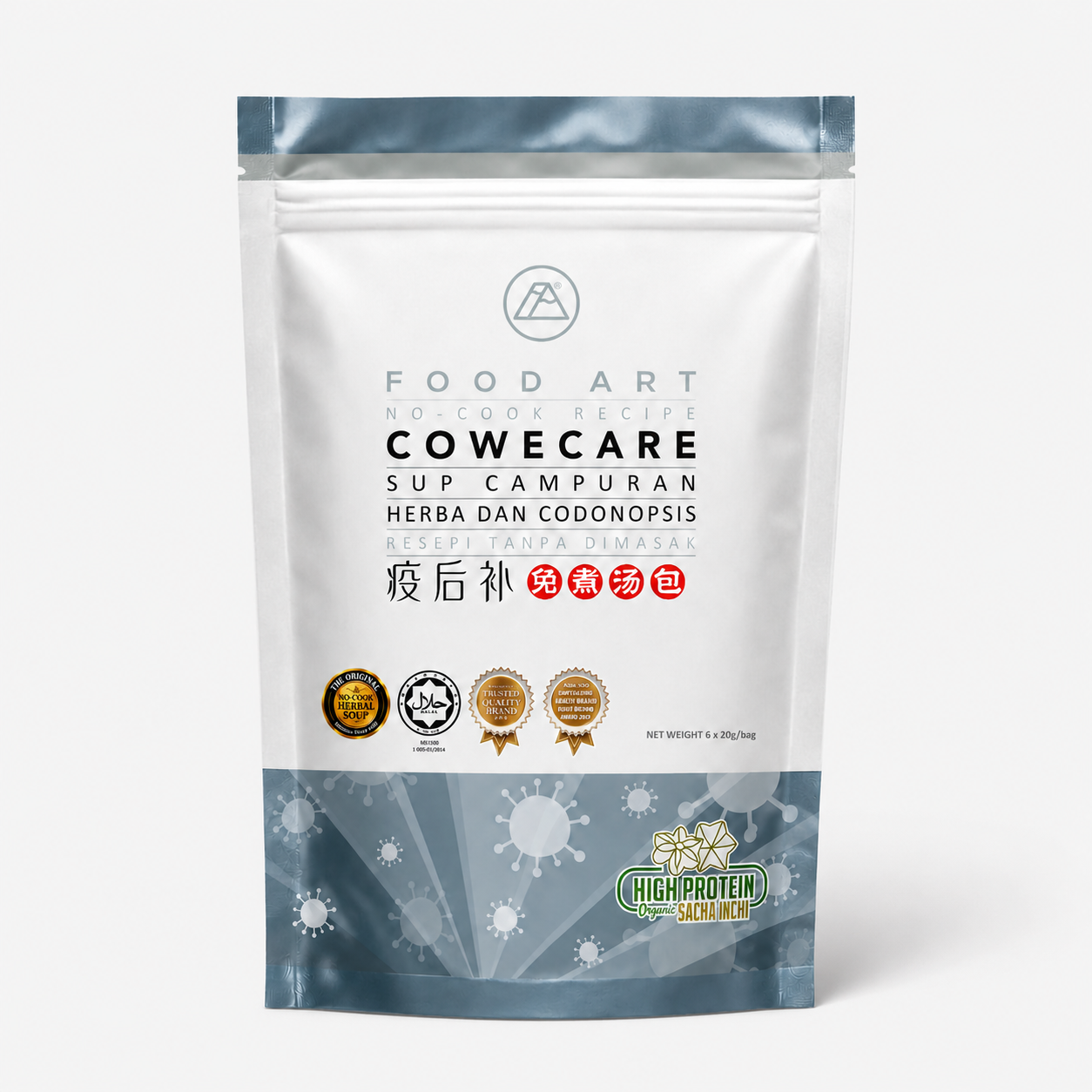
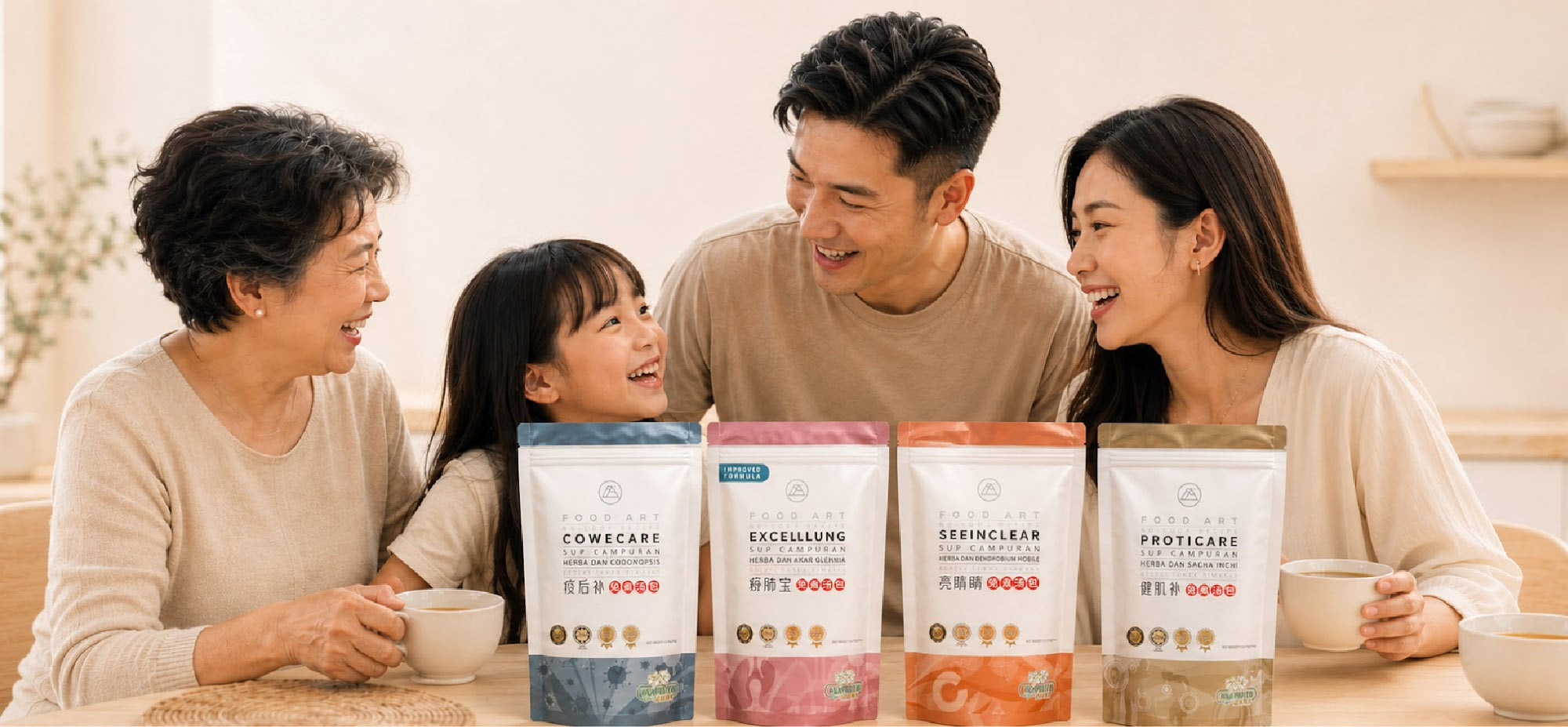
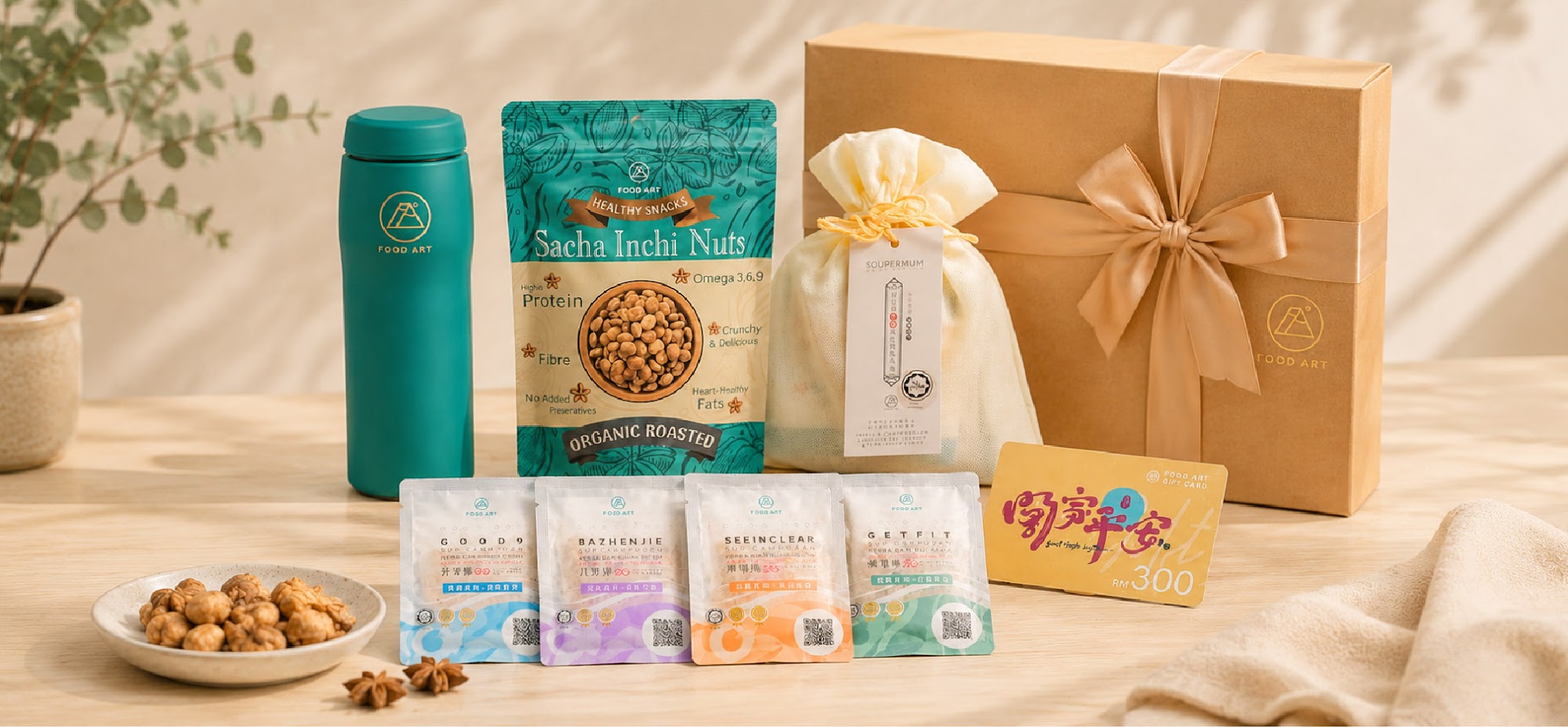
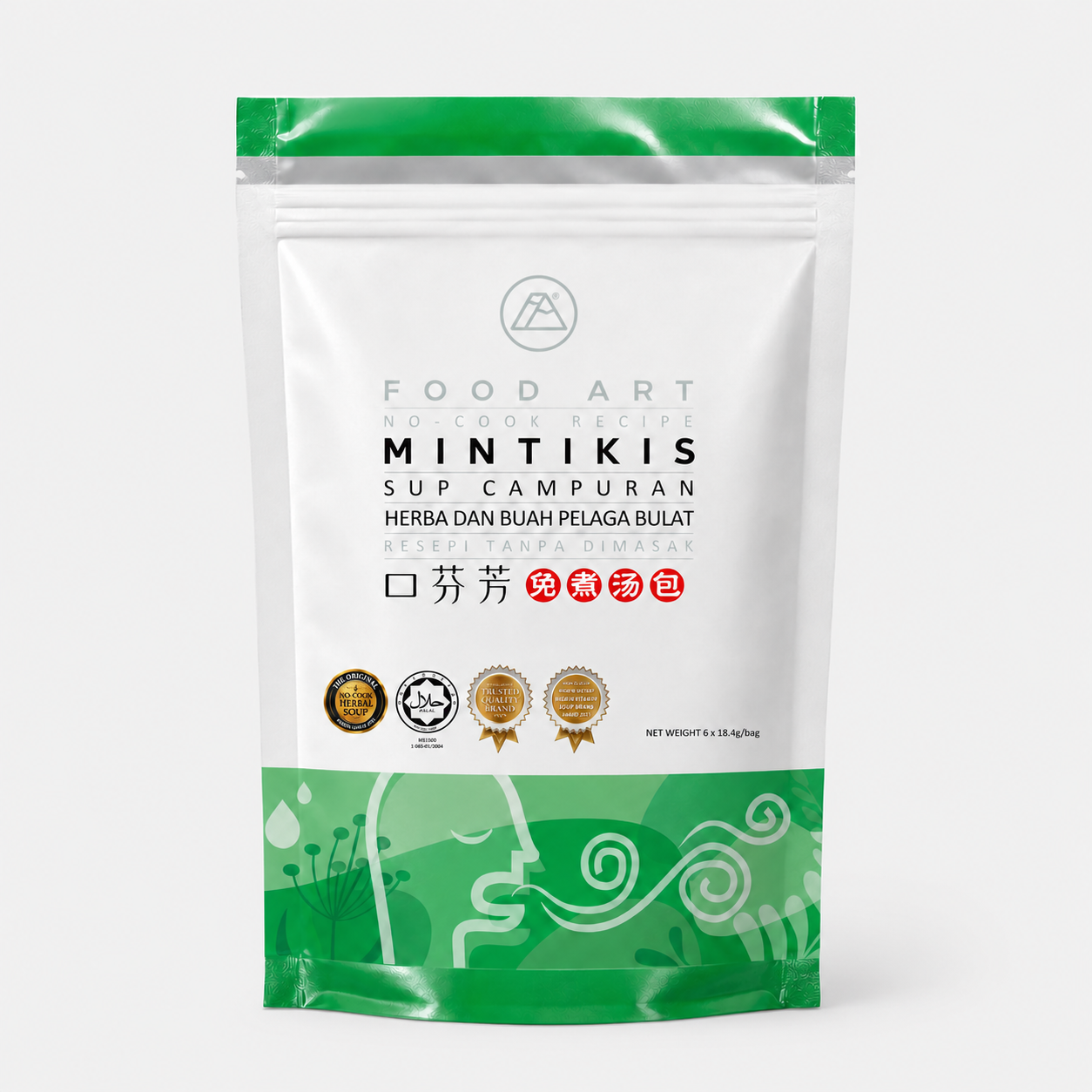
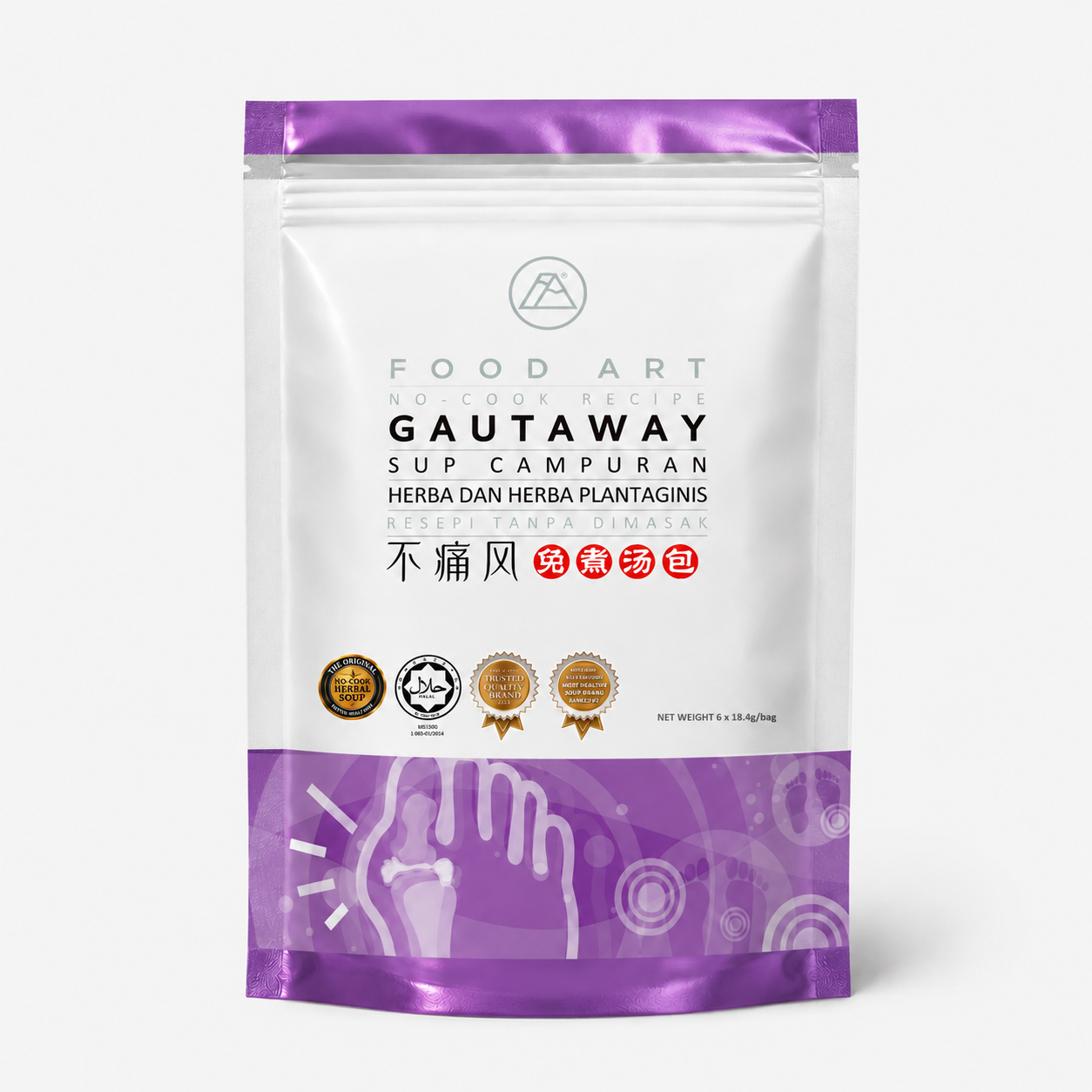
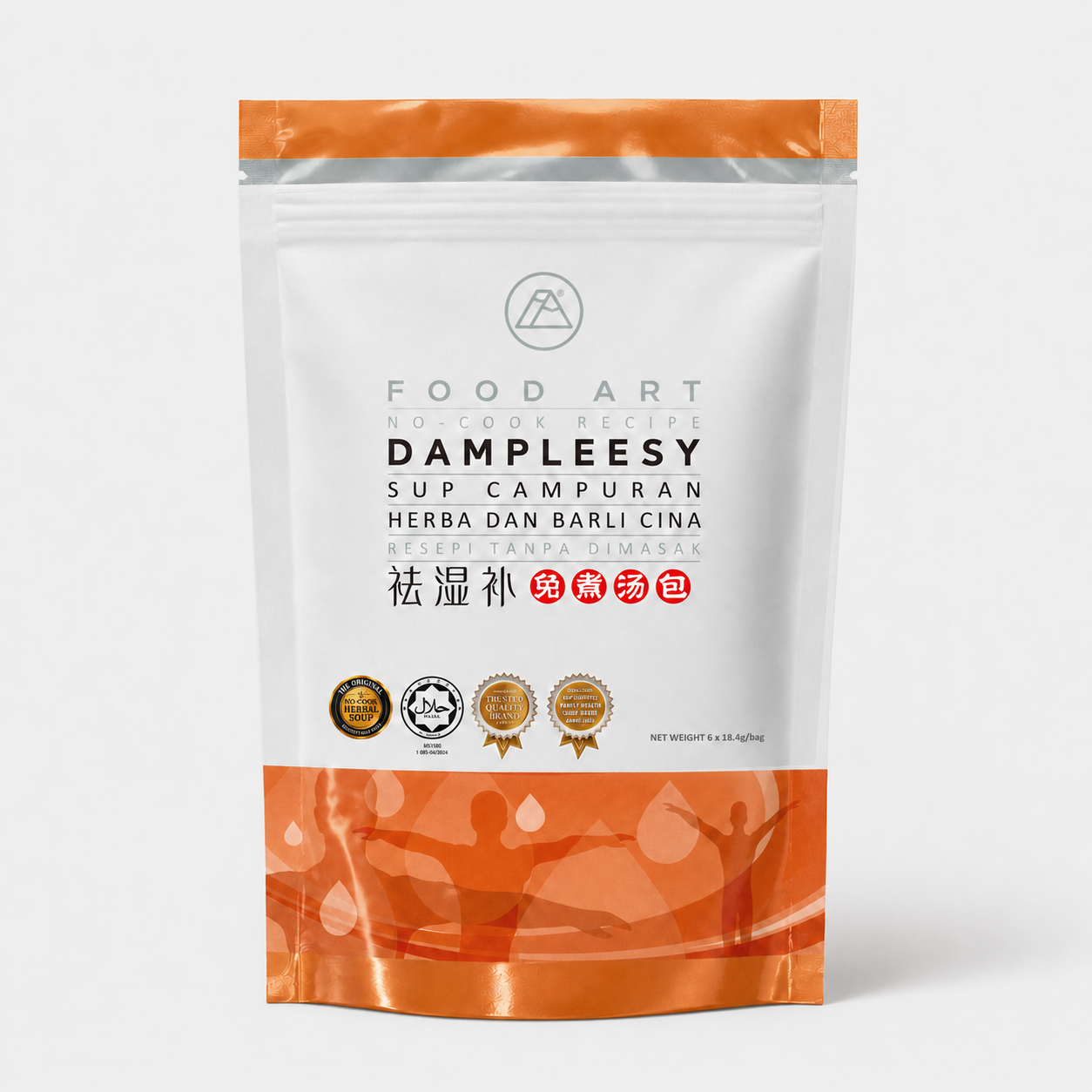
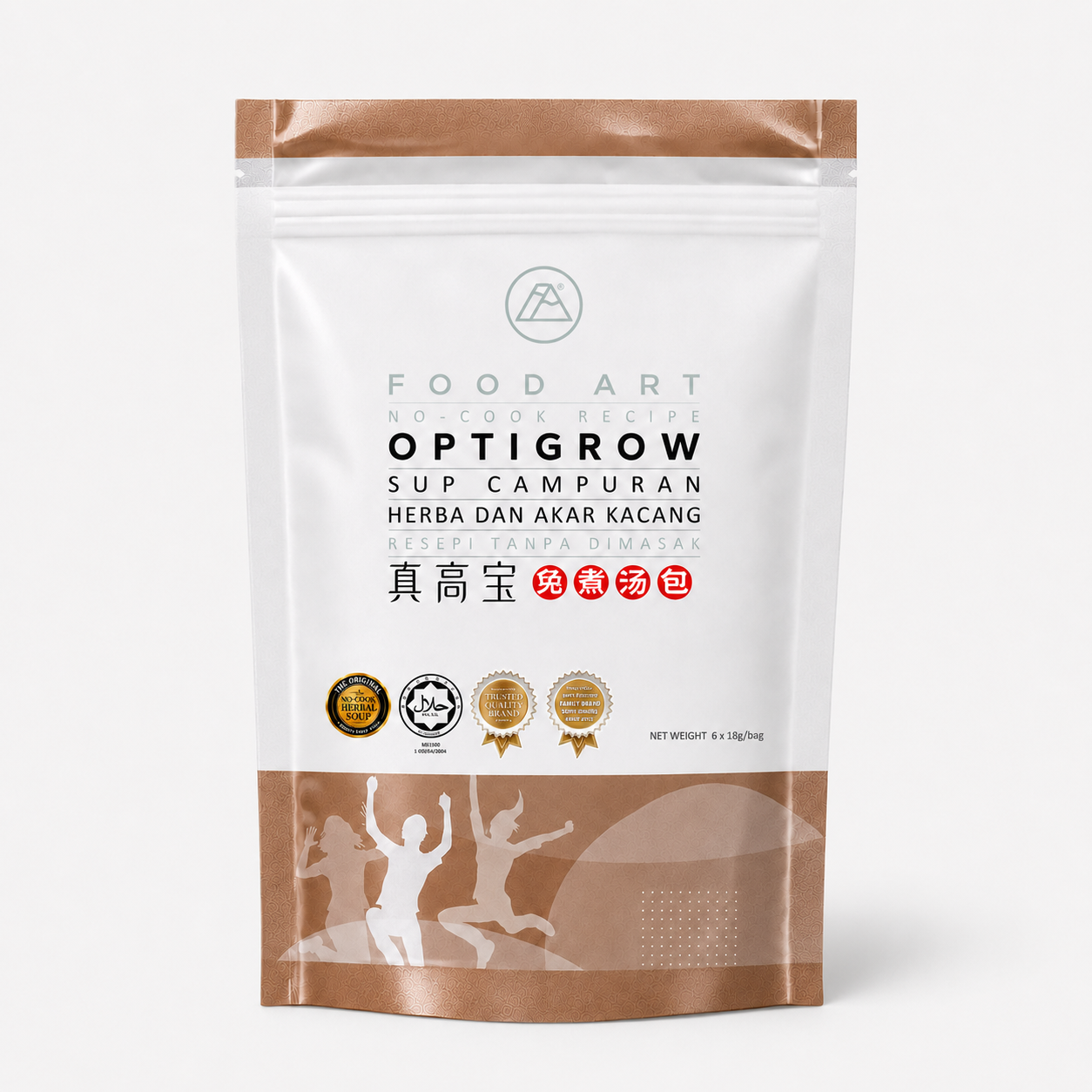
Panax Ginseng adalah ramuan utama dalam sup herba Food Art tanpa masak, yang dirumus dengan teliti untuk memberikan khasiatnya dalam format mudah dan sedia dibancuh.

Maklumat yang disediakan di halaman ini adalah untuk tujuan pendidikan dan rujukan sahaja dan tidak boleh dianggap sebagai nasihat perubatan. Sila dapatkan nasihat daripada profesional penjagaan kesihatan yang bertauliah sebelum menggunakan sebarang produk herba.