






Lily Bulb
A cooling, heart-calming bulb that moistens the Lungs and quiets the restless spirit to restore inner peace.

What Is Lily Bulb?
Lily Bulb (百合, Bǎi Hé) is derived from the fleshy, overlapping scales of Lilium brownii and related species native to China. The name “Bǎi Hé” literally means “hundred unions,” referring to the many layered scales that compose the bulb — a structure also symbolising harmony and togetherness in Chinese culture. The bulb is starchy, slightly sweet, and pleasant enough to be used as both a culinary vegetable and a medicinal herb, appearing frequently in congees, soups, and desserts.
In Traditional Chinese Medicine, Lily Bulb enters the Heart and Lung meridians and is prized for its ability to nourish Yin, moisten the Lungs, and clear Heat. It is particularly indicated for conditions arising after febrile illness when residual Heat lingers and disturbs the Heart Spirit (Shen), producing symptoms such as insomnia, palpitations, low-grade fever, and mental restlessness. Its gentle, cooling nature makes it well suited to those with constitutionally dry or delicate constitutions, and it is commonly paired with herbs such as Ophiopogon (Mài Dōng) and Rehmannia (Shēng Dì Huáng) in classical formulas.
History & Origin
Lily Bulb has been consumed and revered in China for over two thousand years, appearing in ancient texts both as a prized food and as a remedy for ailments of the Heart and Lungs. Its long dual identity as nourishment and medicine reflects the Daoist ideal of healing through wholesome, everyday ingredients.
Traditional Uses
Moistening Dry Cough
Lily Bulb is a first-choice herb for dry, unproductive cough caused by Lung Yin deficiency or residual Heat after illness, helping to restore moisture to the respiratory tract.
Calming Heart Spirit
It is classically used for insomnia, palpitations, and anxiety arising from Heart Yin deficiency or lingering pathogenic Heat disturbing the Shen.
Clearing Residual Fever
In the pattern known as “Lily Disease,” Lily Bulb clears mild, persistent fever and emotional instability that follows a febrile illness.
Nourishing the Lungs
Used in tonic soups and congees to support Lung health over time, particularly beneficial for those prone to dryness, chronic throat irritation, or a weak voice.
Supporting Emotional Balance
Its affinity for the Heart makes it useful in formulas addressing grief, melancholy, and emotional sensitivity, conditions traditionally linked to Lung and Heart Yin vacuity.
Health Benefits
-
Lung Moisture SupportSoothes and moistens the respiratory tract, easing dry cough and throat dryness associated with Lung Yin deficiency.
-
Restful SleepCalms the Heart Spirit and alleviates insomnia and night-time restlessness rooted in Heat or Yin depletion.
-
Heart HarmonySupports emotional steadiness and reduces palpitations linked to Heart Yin insufficiency.
-
Clears Lingering HeatGently resolves low-grade fever and irritability that persists after acute illness.
-
Dual Food-Medicine ValueSafe and pleasant enough for regular culinary use, making it an accessible everyday tonic for the whole family.
Soups Featuring Lily Bulb
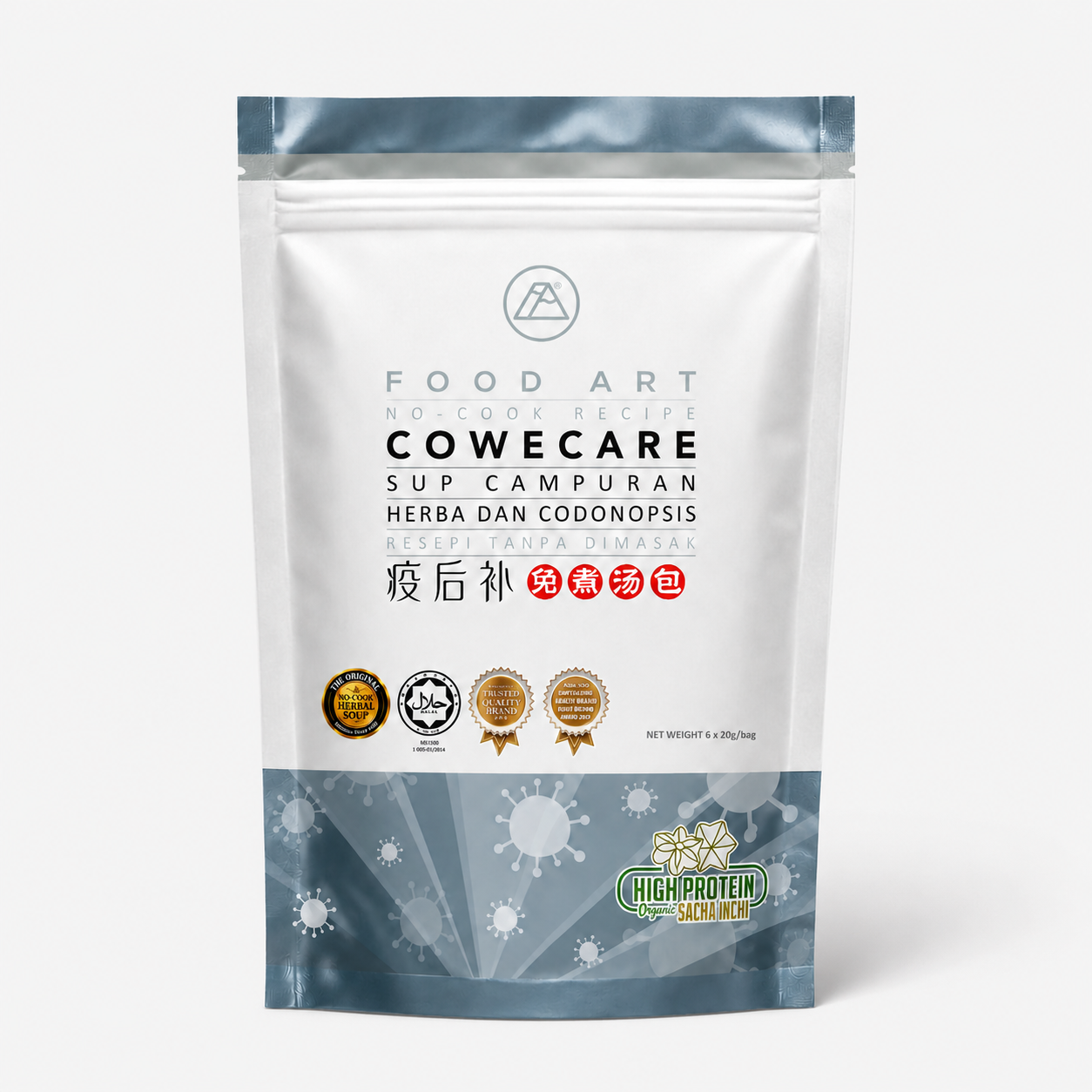
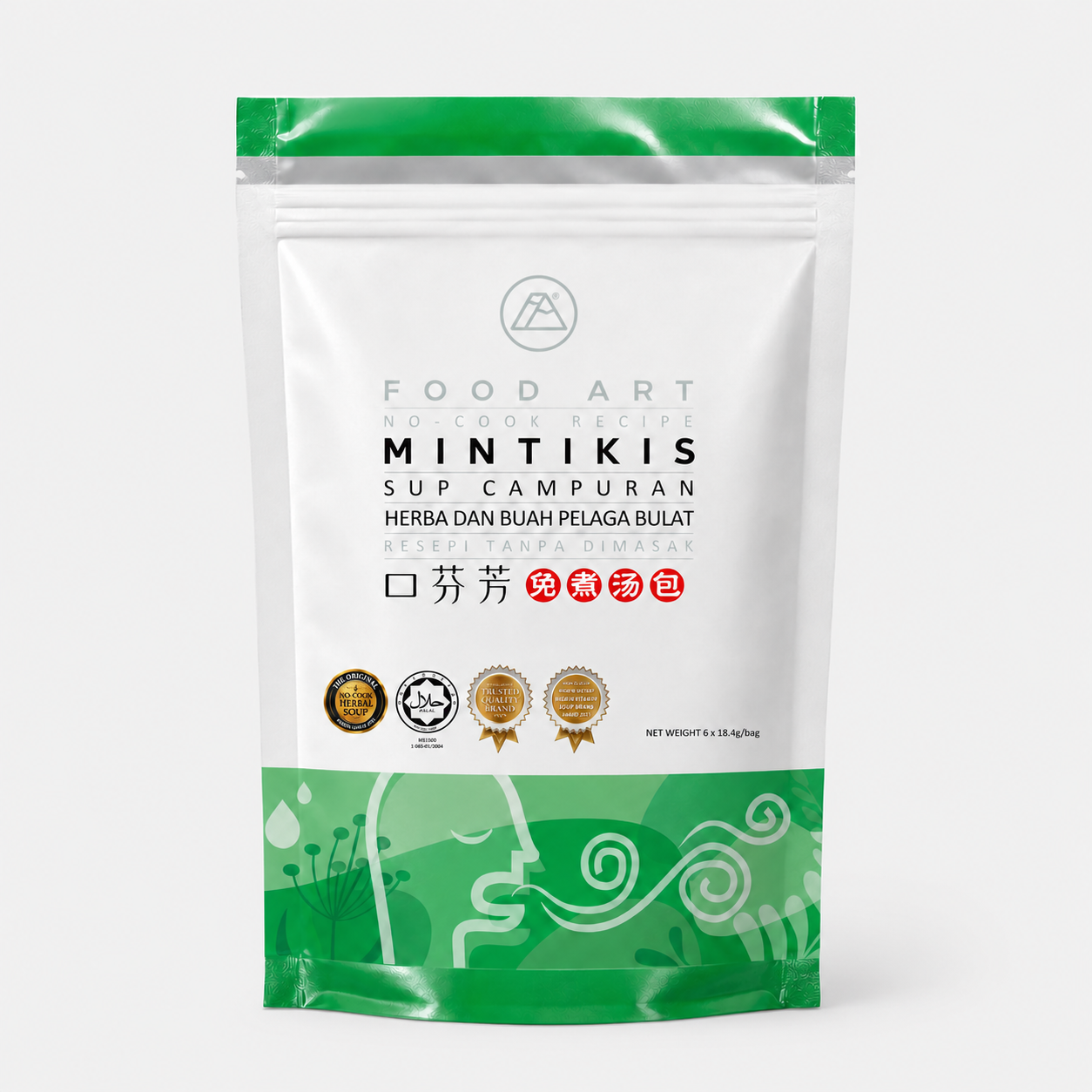
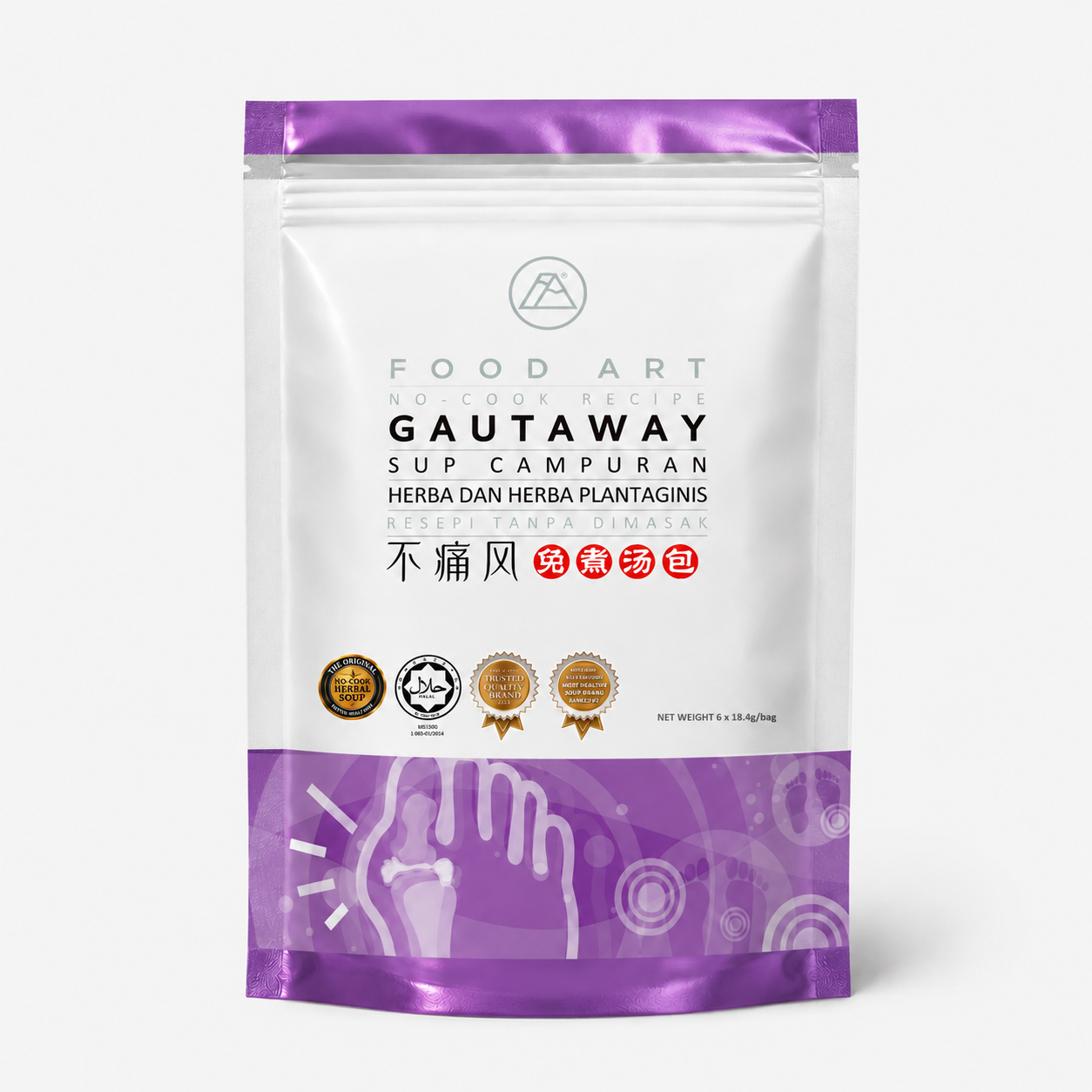
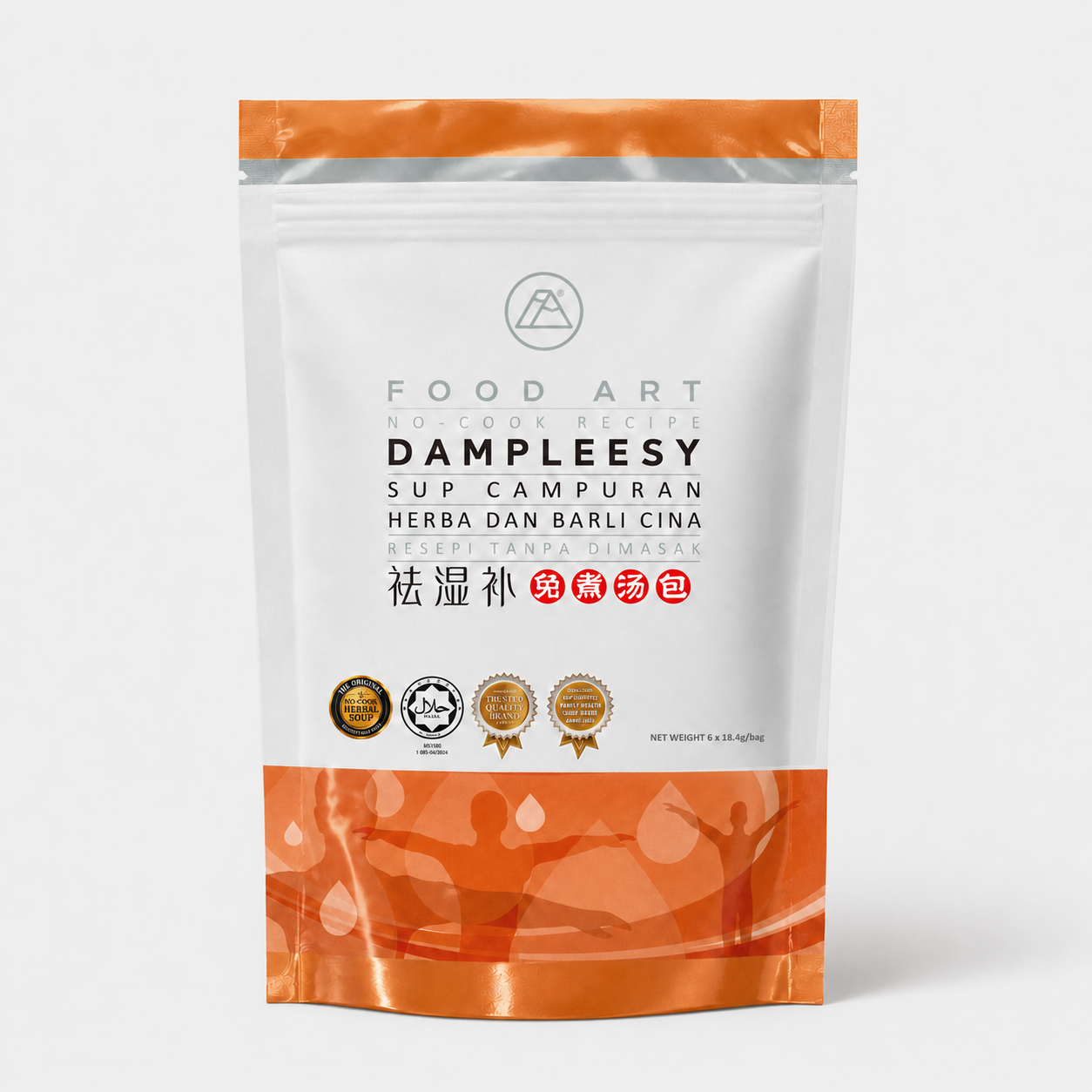
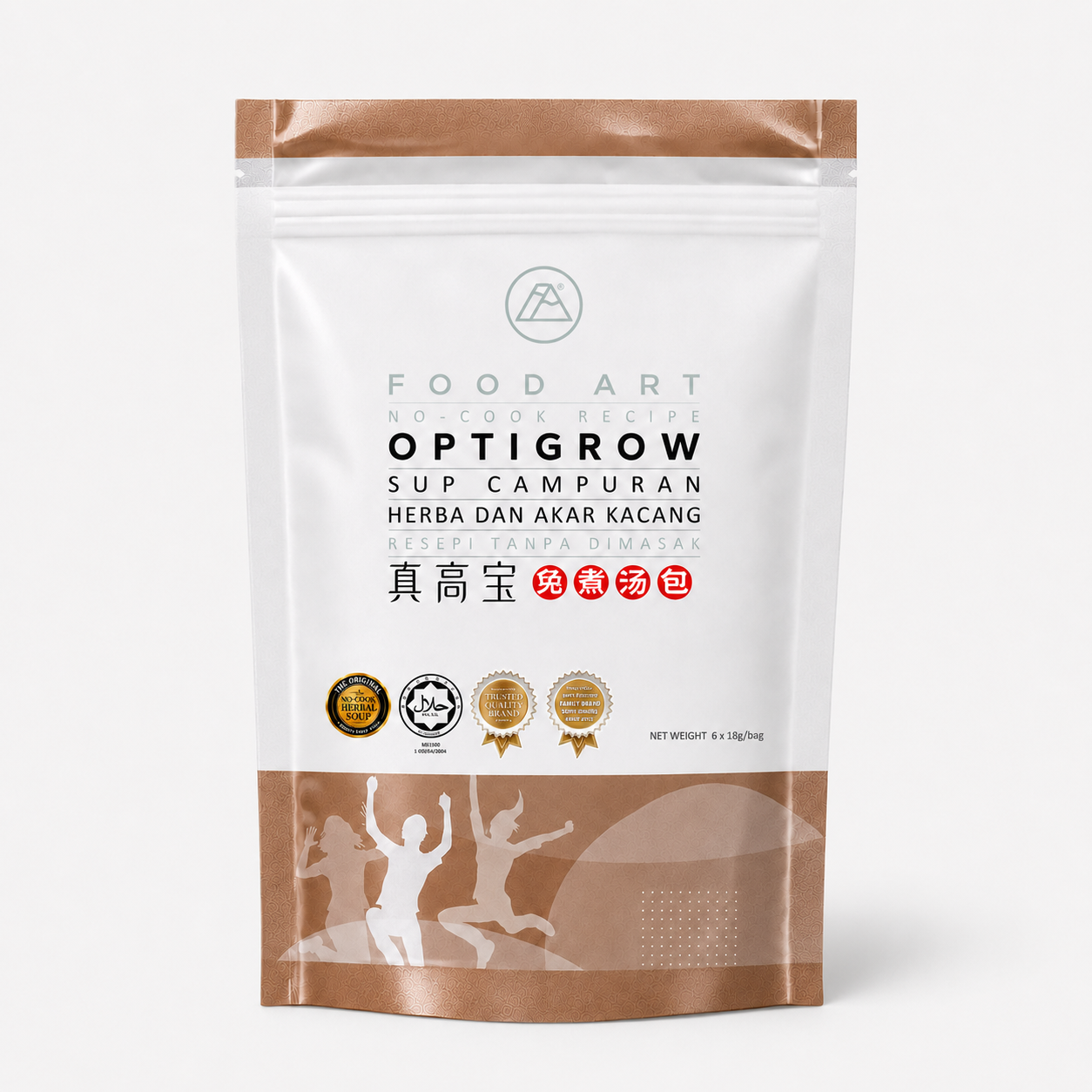
Lily Bulb is a key ingredient in these Food Art no-cook herbal soups, thoughtfully formulated to provide its nourishing qualities in a convenient, ready-to-brew format.


The information provided on this page is for educational and informational purposes only and does not constitute medical advice. Please consult a qualified healthcare professional before using any herbal products.