





Goji Berry
China's most beloved longevity berry for two thousand years — Goji Berry nourishes Liver and Kidney Yin, brightens the eyes, moistens the Lung, and supports vitality with its sweet, nourishing, and universally accessible nature.

What Is Goji Berry?
Goji Berry (Gou Qi Zi, 枸杞子) is the bright red fruit of Lycium barbarum, native to the Ningxia region of northwestern China — a small, intensely sweet-tart berry that has been one of China's most cherished health foods and medicinal herbs for over 2,000 years. Listed in the Shennong Bencao Jing as a superior-grade herb, it occupies a unique position as both everyday food and potent tonic, consumed daily by millions of Chinese people in congee, soups, teas, and desserts.
Sweet and neutral in nature, Goji Berry enters the Liver, Kidney, and Lung channels. Its primary actions are nourishing Liver and Kidney Yin, brightening the eyes (the Liver opens to the eyes in TCM theory), and moistening the Lung. It is one of the foremost herbs in classical formulas for eye health — the celebrated Qi Ju Di Huang Wan (Lycium Berry, Chrysanthemum, and Rehmannia Pill) uses it as a principal herb for blurred vision, declining eyesight, and dry, tired eyes from Liver and Kidney Yin deficiency. Its deep red colour reflects its rich content of zeaxanthin, betaine, and Lycium polysaccharides — compounds now extensively studied for antioxidant, eye-protective, immune-modulating, and anti-ageing properties.
History & Origin
Goji Berry is among the most ancient and enduring of all Chinese tonic herbs, with an unbroken history of use spanning more than two millennia as both food and medicine.
Traditional Uses
Nourishes Liver & Kidney Yin
The foundational action — replenishes depleted Liver and Kidney Yin, the deep reserves of moisture and vital substance that underpin healthy ageing. Used for weakness, dizziness, lower back soreness, and the general decline of Yin with age.
Brightens the Eyes
A premier eye herb — through the Liver-Eye connection in TCM, Goji Berry nourishes Liver Blood and Yin to support visual acuity. Used for blurred vision, declining eyesight, dry eyes, and photosensitivity from Liver-Kidney deficiency.
Moistens the Lung
Nourishes Lung Yin to relieve dry cough and respiratory dryness — used as a supporting herb in Lung Yin deficiency formulas.
Replenishes Kidney Essence (Jing)
Tonifies Kidney Yin and Jing — the constitutional foundation of vitality, reproductive health, and physical vigour — used for premature ageing, reproductive concerns, and chronic fatigue.
Supports Liver Blood
Nourishes Liver Blood alongside Liver Yin, used for pallor, dizziness, fatigue, and the visual and emotional symptoms of Blood deficiency.
Daily Longevity Tonic
Perhaps the most universally recommended daily tonic in all of Chinese food medicine — used by healthy adults of all ages for ongoing Yin-Kidney-Liver maintenance and the preservation of vitality.
Health Benefits
-
Eye & Vision SupportPremier TCM herb for eye health — zeaxanthin and Liver Yin nourishment protect and support visual acuity and eye moisture.
-
Liver & Kidney VitalityNourishes both Liver and Kidney Yin simultaneously — the foundation of sustained energy, strength, and healthy ageing.
-
Immune ModulationLycium polysaccharides (LBPs) extensively studied for immune-enhancing, anti-tumour, and adaptogenic properties.
-
Antioxidant RichnessBetaine, zeaxanthin, and polyphenols provide powerful antioxidant protection against oxidative stress and cellular ageing.
-
Daily Wellness FoodSafe, delicious, and deeply nourishing — consumed daily in teas, soups, and congee by millions for longevity and vitality.
Soups Featuring Goji Berry
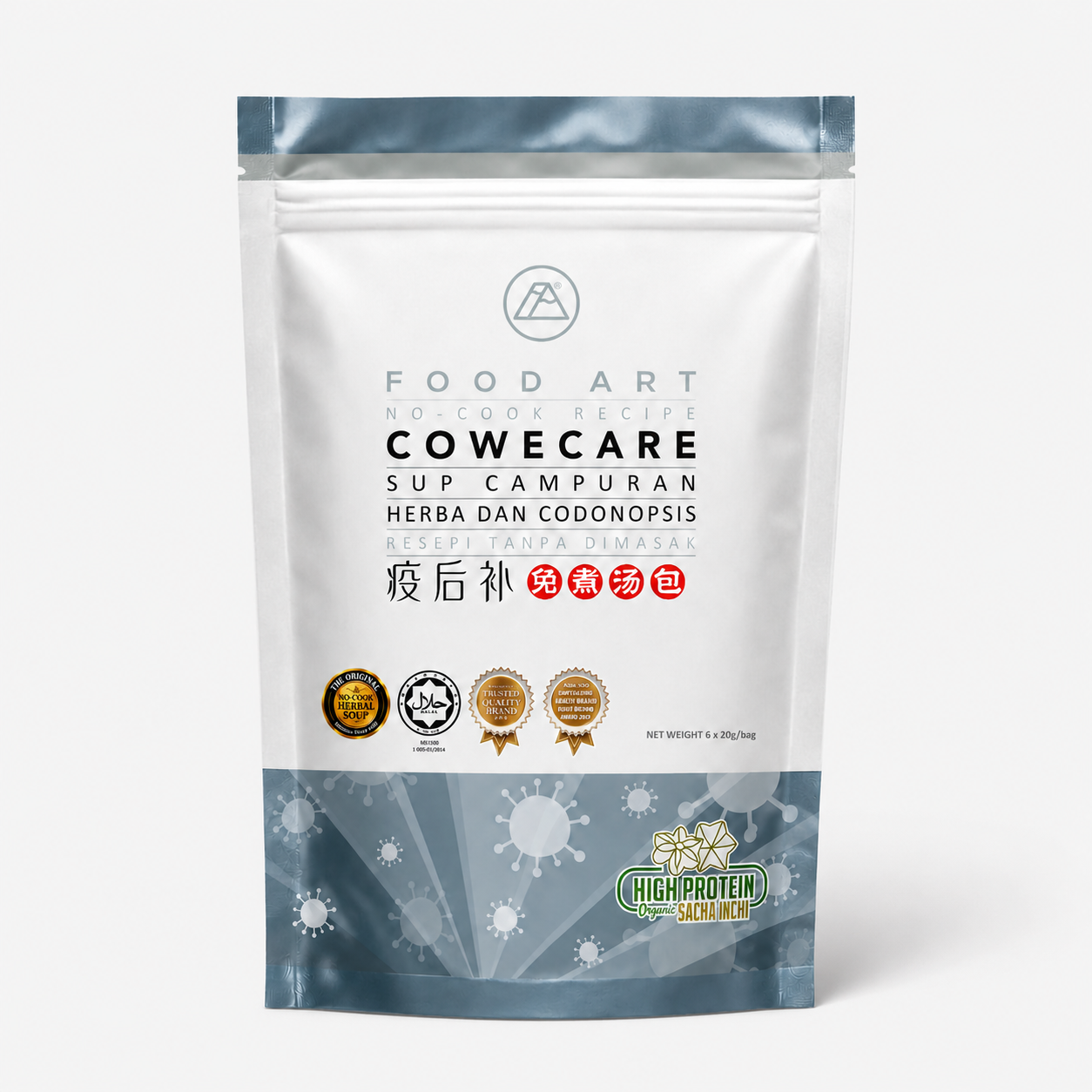
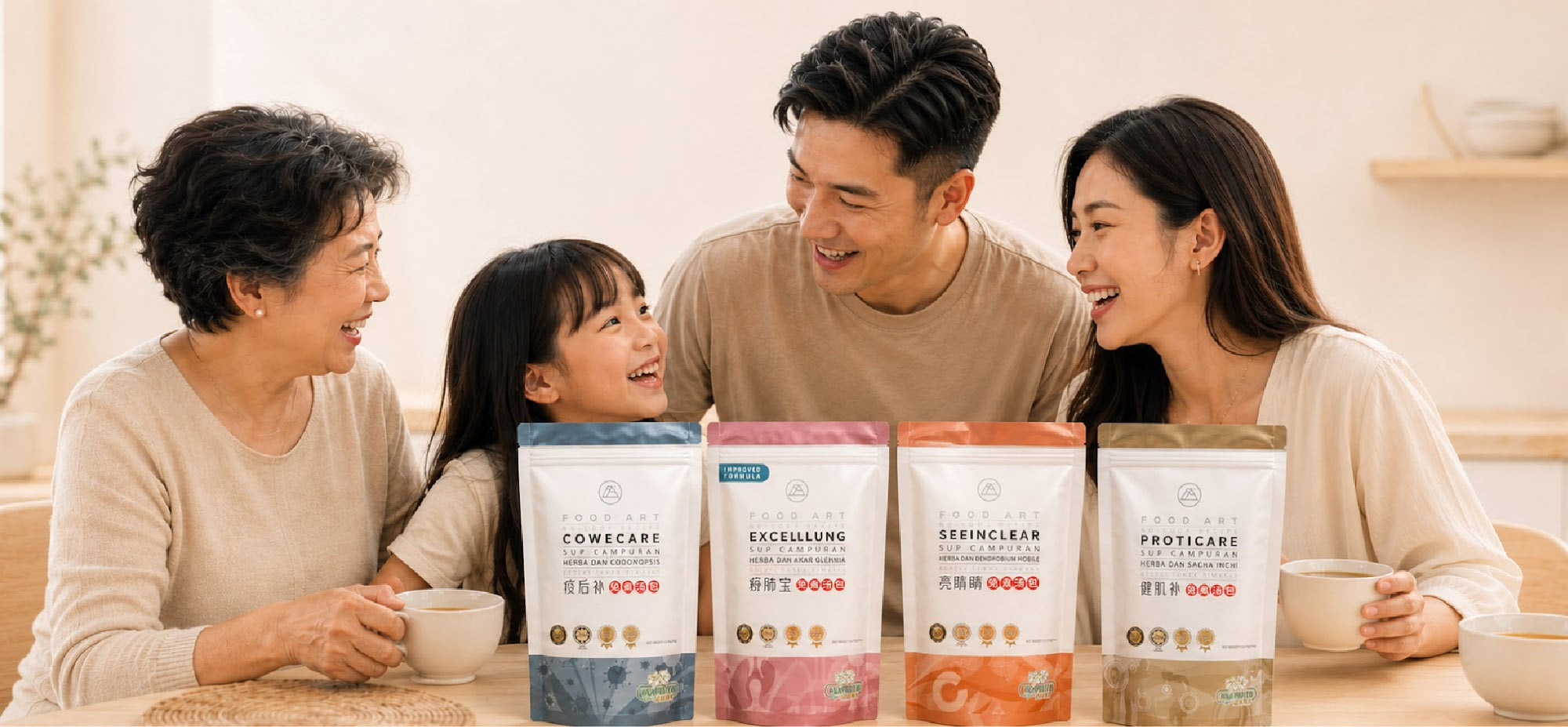
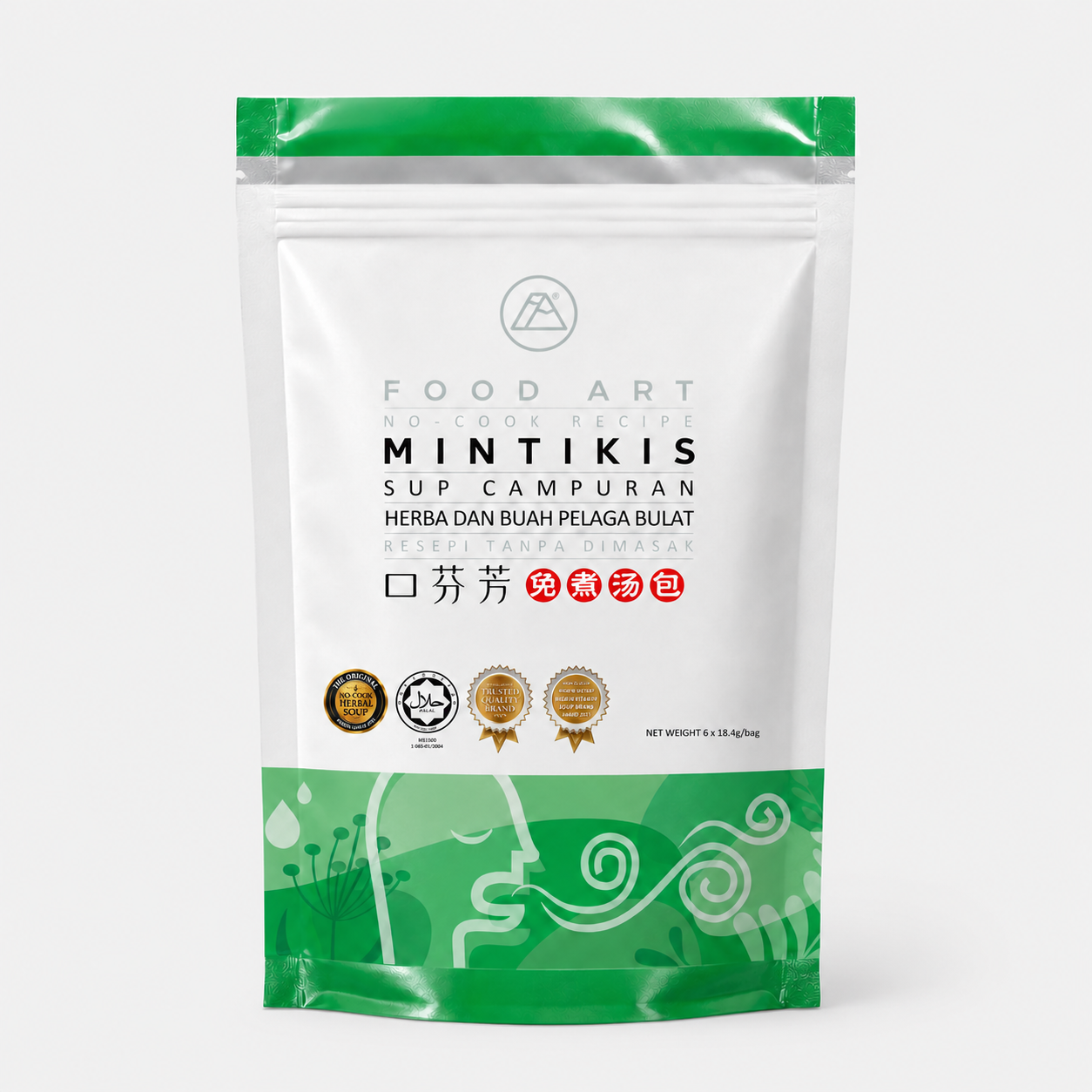
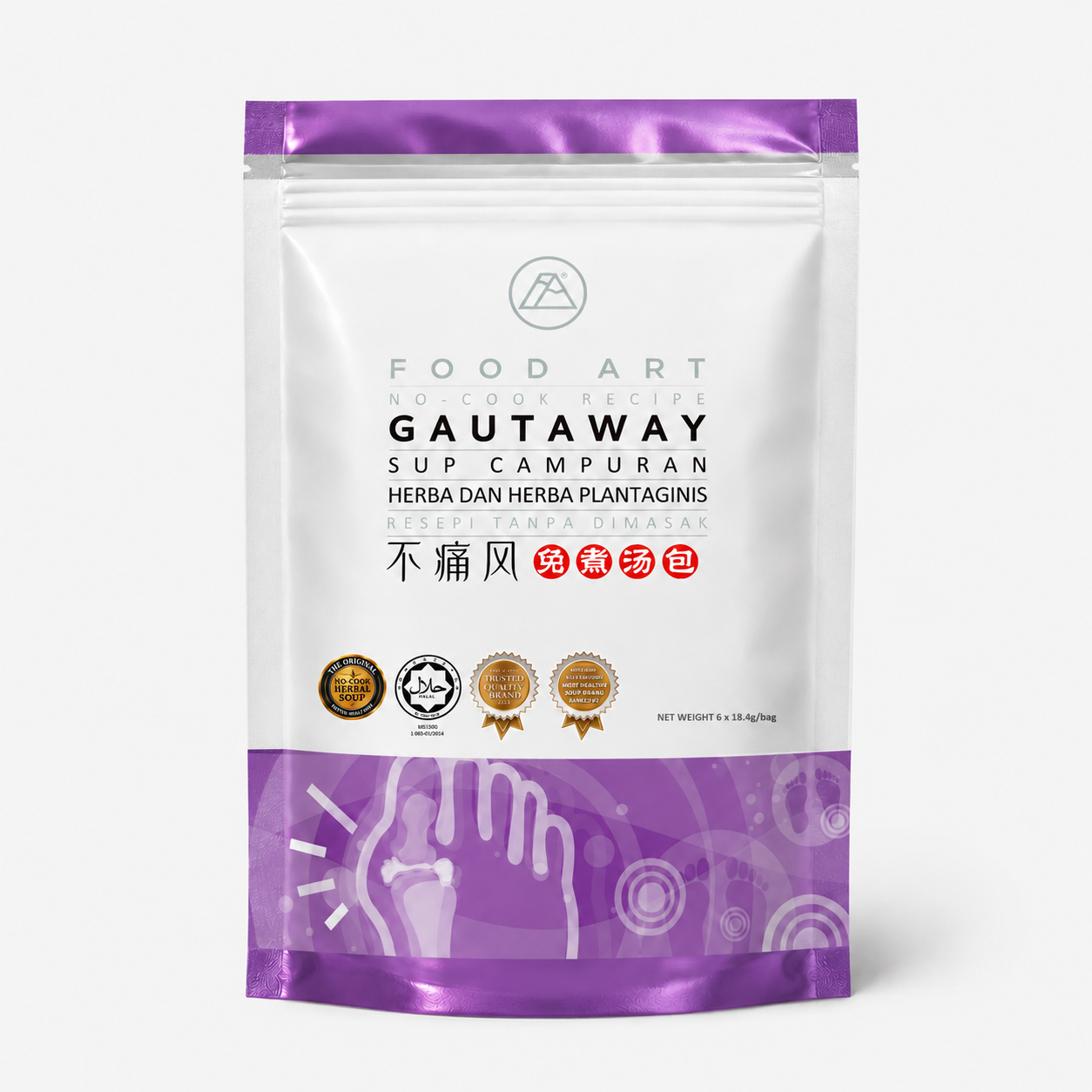
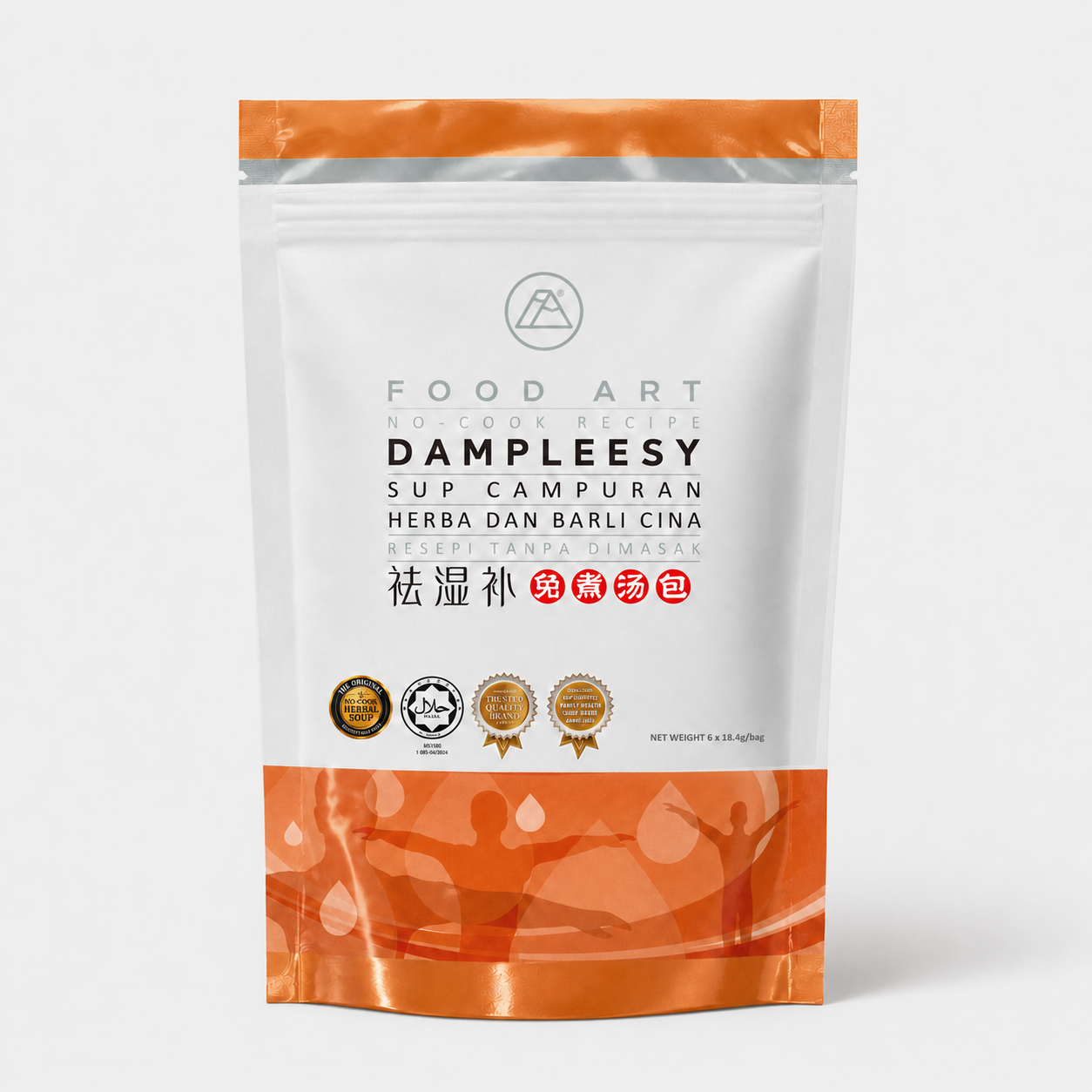
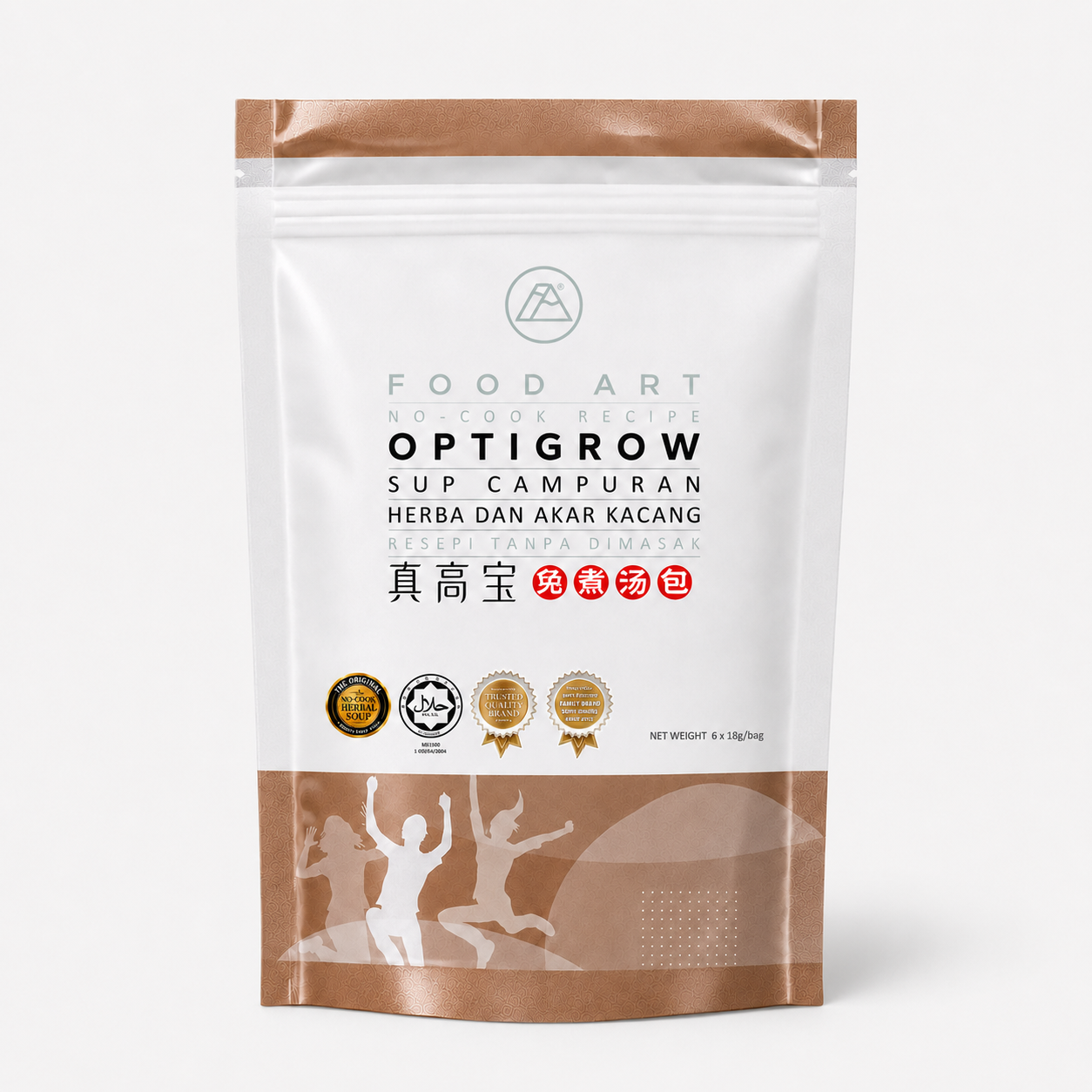
Goji Berry is a key ingredient in these Food Art no-cook herbal soups, thoughtfully formulated to provide its nourishing qualities in a convenient, ready-to-brew format.


The information provided on this page is for educational and informational purposes only and does not constitute medical advice. Please consult a qualified healthcare professional before using any herbal products.