






Fat Choy
The auspicious "Prosperity Moss" of Chinese cuisine — Fat Choy nourishes the Blood, clears heat, and brings its beloved cultural symbolism of good fortune to Cantonese festive cooking and herbal soups.

What Is Fat Choy?
Fat Choy (Fa Cai, 发菜) — literally "prosperity vegetable" and homophonous with 发财 (fā cái, "to prosper") in Cantonese — is a black, hair-like cyanobacterium that grows in the arid regions of China, Mongolia, and Central Asia. One of the most symbolically important foods in Chinese culinary culture, Fat Choy is a centrepiece of Cantonese New Year celebrations and a beloved ingredient in festive soups and dishes.
Sweet and cool in nature, Fat Choy enters the Liver and Kidney channels. In TCM food therapy, it is used to nourish the Blood, clear heat, resolve phlegm, and support digestion. Its high protein, iron, and polysaccharide content make it a nutritionally significant food, particularly valued for supporting Blood production and providing antioxidant and immune-modulating benefits.
History & Origin
Fat Choy has been consumed in China for hundreds of years, with its primary cultural significance rooted in Cantonese food traditions where its name's auspicious sound makes it indispensable at New Year and festive celebrations.
Traditional Uses
Nourishes the Blood
Used in TCM food therapy to support Blood production and address mild Blood deficiency — particularly in the context of anaemia, fatigue, and pale complexion.
Clears Heat
Its cool nature clears mild heat from the body — used in cooling soups for summer heat, restlessness, and conditions associated with internal heat accumulation.
Resolves Phlegm
TCM food therapy application for phlegm-related conditions — supports the body's resolution of thick, turbid phlegm from heat.
Supports Digestion
Its high dietary fibre content supports healthy bowel function and gut flora, used for gentle digestive support and regularity.
Immune Support
Polysaccharides studied for immune-modulating properties — supporting the body's natural defences as a regular dietary addition.
Auspicious Festive Use
Culturally central to Cantonese festive cuisine — its homophony with 发财 (prosperity) makes it a symbol of good fortune at New Year and celebrations.
Health Benefits
-
Blood NourishingSupports Blood production with its iron content and blood-nourishing TCM properties.
-
Heat ClearingCool nature clears internal heat — a refreshing addition to summer soups and cooling formulas.
-
Immune SupportPolysaccharides studied for antioxidant, anti-tumour, and immune-modulating properties.
-
Cultural AuspiciousnessThe ultimate symbol of prosperity in Cantonese food culture — indispensable at New Year celebrations.
-
Fibre & NutritionHigh protein, iron, and dietary fibre supporting gut health and overall nutritional wellbeing.
Soups Featuring Fat Choy
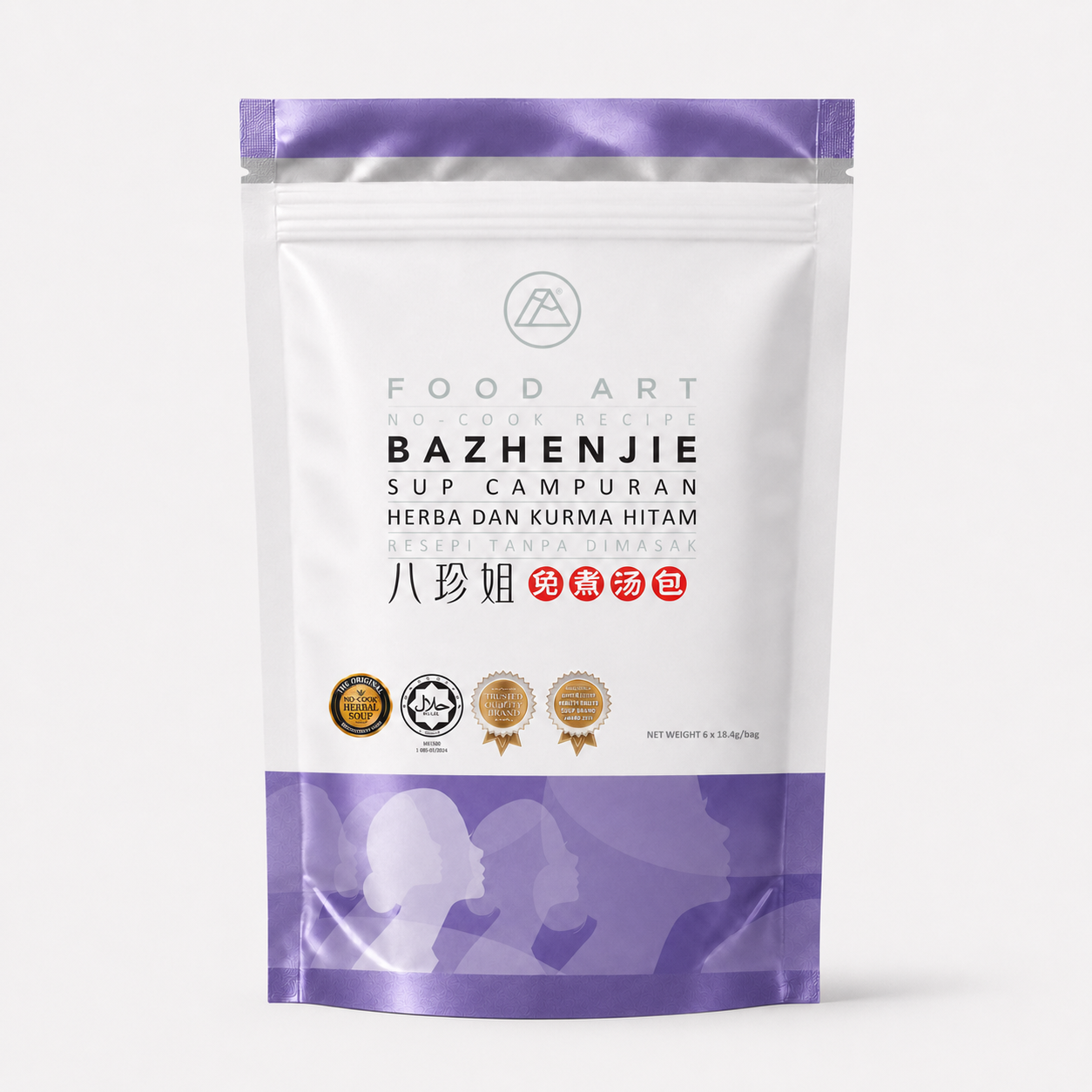
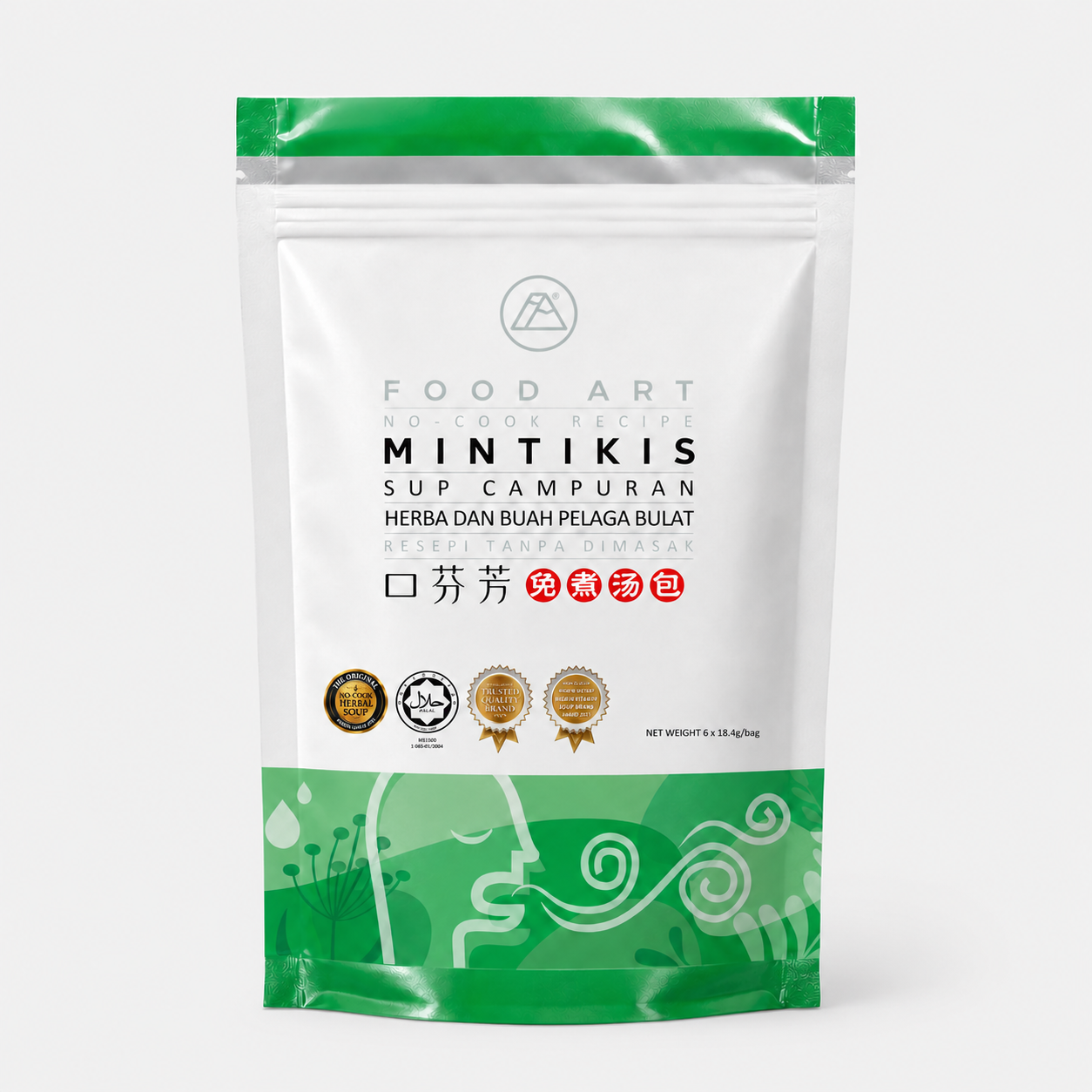
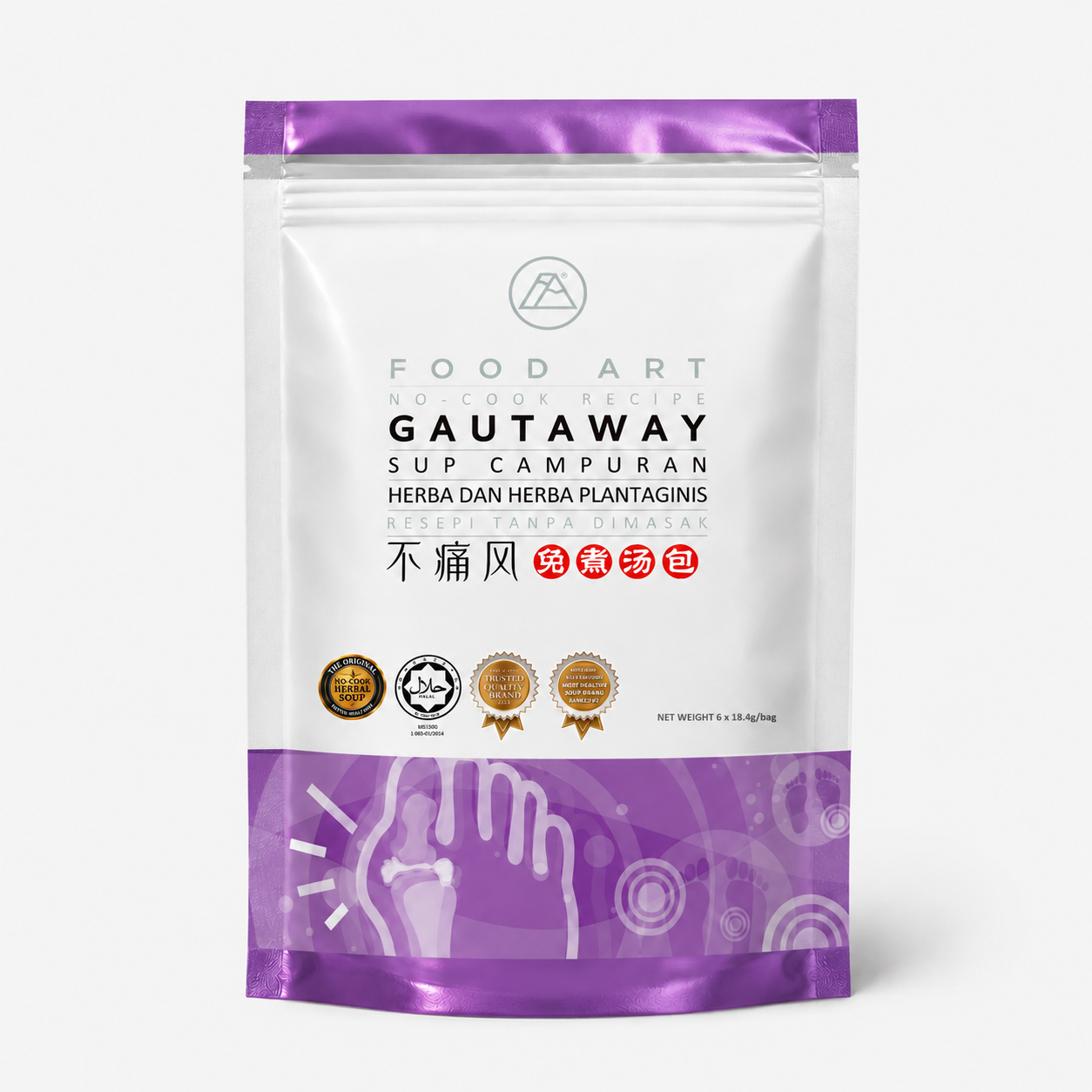
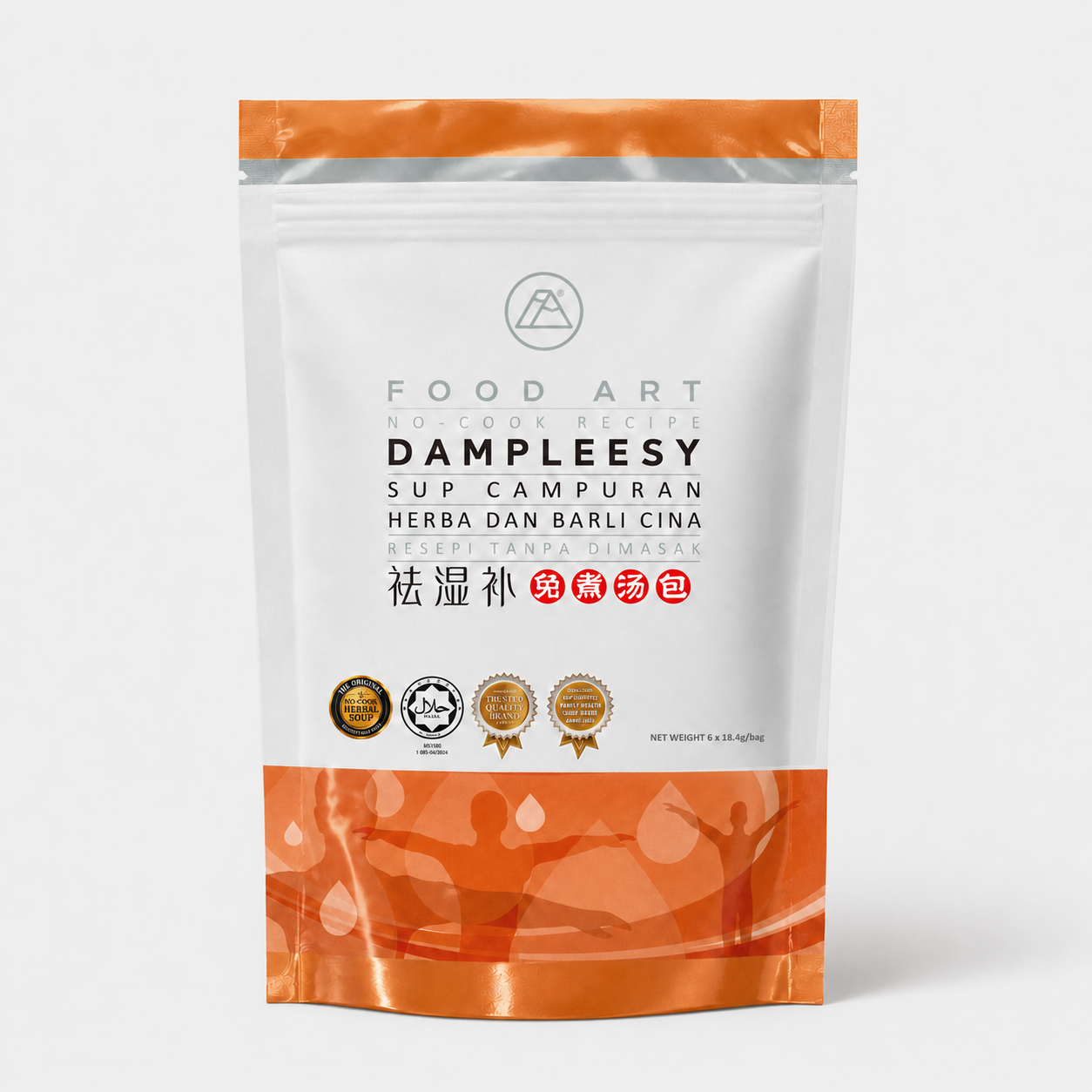
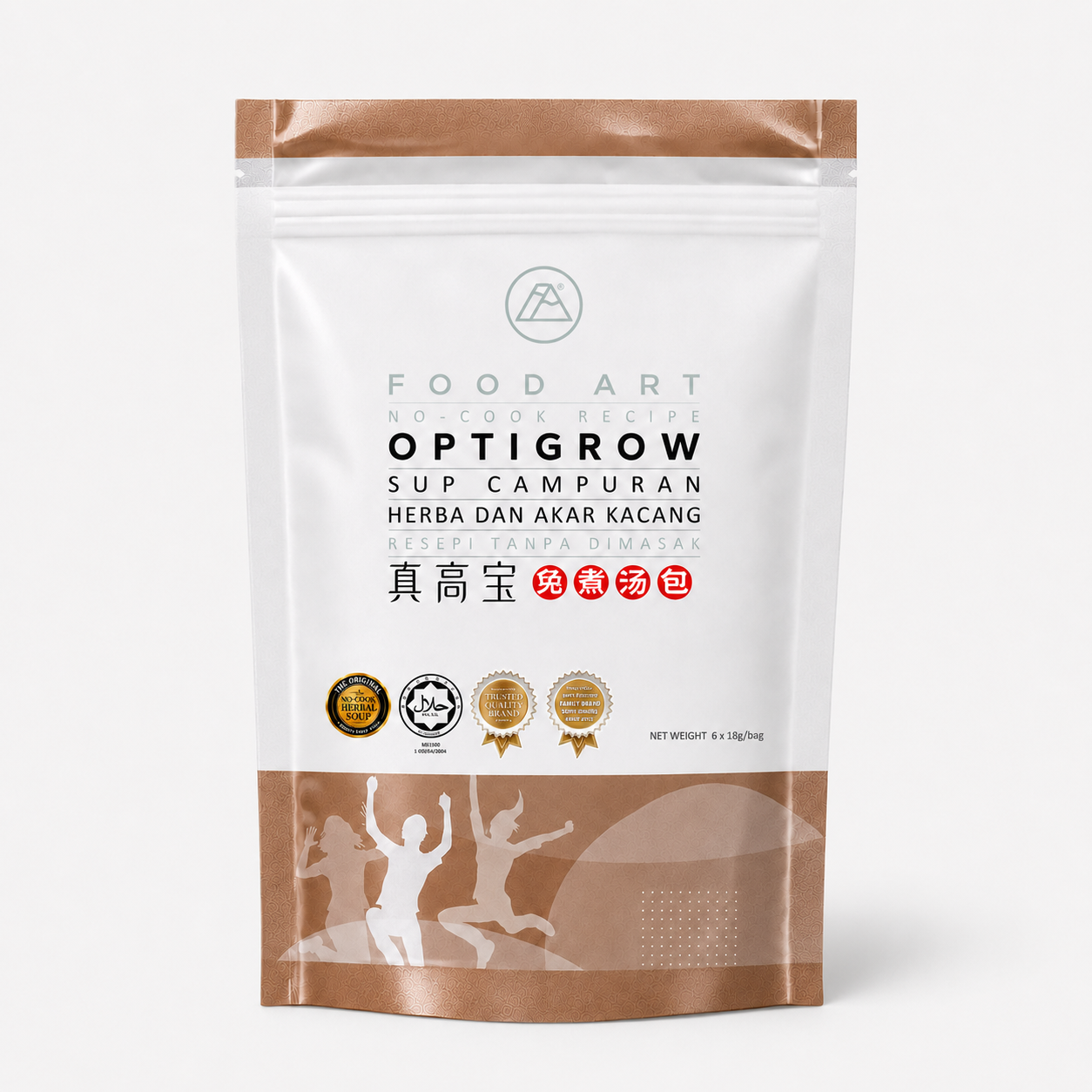
Fat Choy is a key ingredient in these Food Art no-cook herbal soups, thoughtfully formulated to provide its nourishing qualities in a convenient, ready-to-brew format.

The information provided on this page is for educational and informational purposes only and does not constitute medical advice. Please consult a qualified healthcare professional before using any herbal products.