






Adlay
One of TCM's most beloved food-medicines — Adlay seed gently clears dampness, strengthens the Spleen, and cools the body, a time-honoured grain for daily wellness, beauty, and digestive harmony.

What Is Adlay?
Adlay (Yi Yi Ren, 薏苡仁), also known as Job's Tears or Coix seed, is one of the oldest and most widely used food-medicines in the Chinese tradition. This pearl-like grain has been cherished for over 2,000 years both as a nourishing food and a potent herb, valued for its gentle ability to clear dampness and strengthen digestion.
Sweet and bland in taste, slightly cool in nature, Adlay enters the Spleen, Stomach, and Lung channels. It promotes urination and drains dampness — the pathological fluid accumulation TCM associates with heaviness, bloating, fatigue, and skin issues. Uniquely, it can be eaten daily as a grain, congee, or soup ingredient, making it both cuisine and medicine in one.
History & Origin
Adlay's story as both food and medicine in China stretches over two millennia. Recorded as Yì Yǐ Rén among the superior-grade herbs of the earliest Chinese materia medica, it has been treasured ever since as a gentle daily grain that drains Dampness, strengthens the Spleen, and cools the body.
Traditional Uses
Drains Dampness
Promotes urination and clears dampness from the body, used for oedema, heaviness, and difficulty urinating from Spleen deficiency.
Strengthens the Spleen
Gently tonifies the Spleen to improve its transforming and transporting functions, improving appetite and reducing bloating.
Clears Heat & Expels Pus
Used for Lung abscess and intestinal abscess — Adlay's cool, draining nature resolves heat toxin and expels accumulated pus.
Clears Damp Bi Syndrome
Addresses joint pain and heaviness from Damp-Heat or Cold-Damp obstruction, particularly affecting the lower limbs.
Beautifies the Skin
One of the most popular modern uses — Adlay's dampness-clearing and heat-cooling effects are associated with clearer, more even skin tone.
Calms Muscle Spasm
Classical texts note Adlay's ability to relax tendons and relieve muscle spasm, particularly those worsened by dampness.
Health Benefits
-
Reduces Water Retention Gently promotes fluid metabolism to reduce puffiness, oedema, and the heavy, sluggish feeling of excess dampness.
-
Digestive Harmony Strengthens the Spleen to improve digestive function, reducing bloating, poor appetite, and loose stools.
-
Skin Clarity Widely used in Asian beauty traditions for its dampness-clearing effect, associated with clearer, more radiant skin.
-
Joint Comfort Helps clear damp obstruction from joints, traditionally used for heaviness and aching in the limbs.
-
Gentle Cooling Slightly cool nature makes it ideal for clearing mild internal heat and dampness without being harsh or depleting.
Soups Featuring Adlay
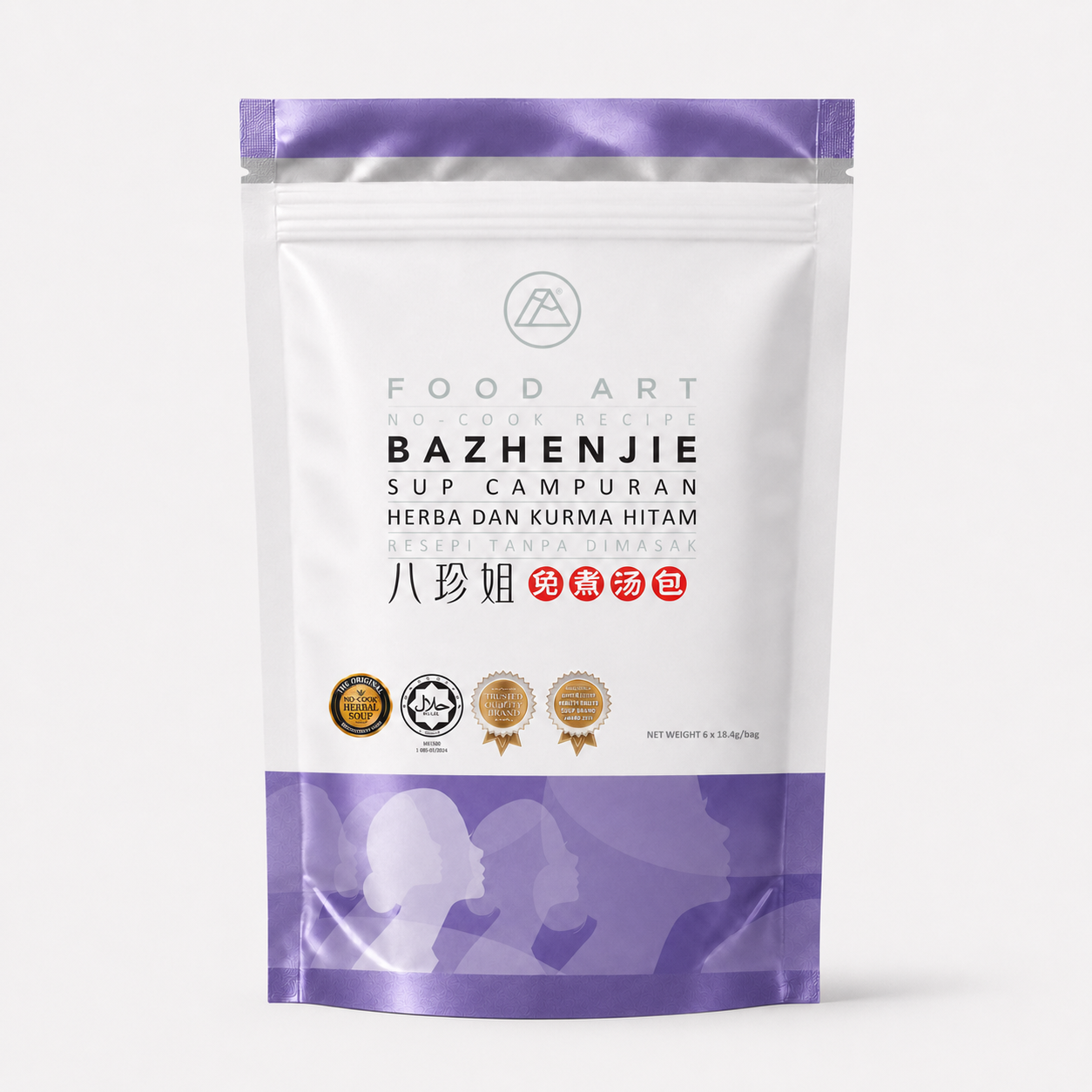
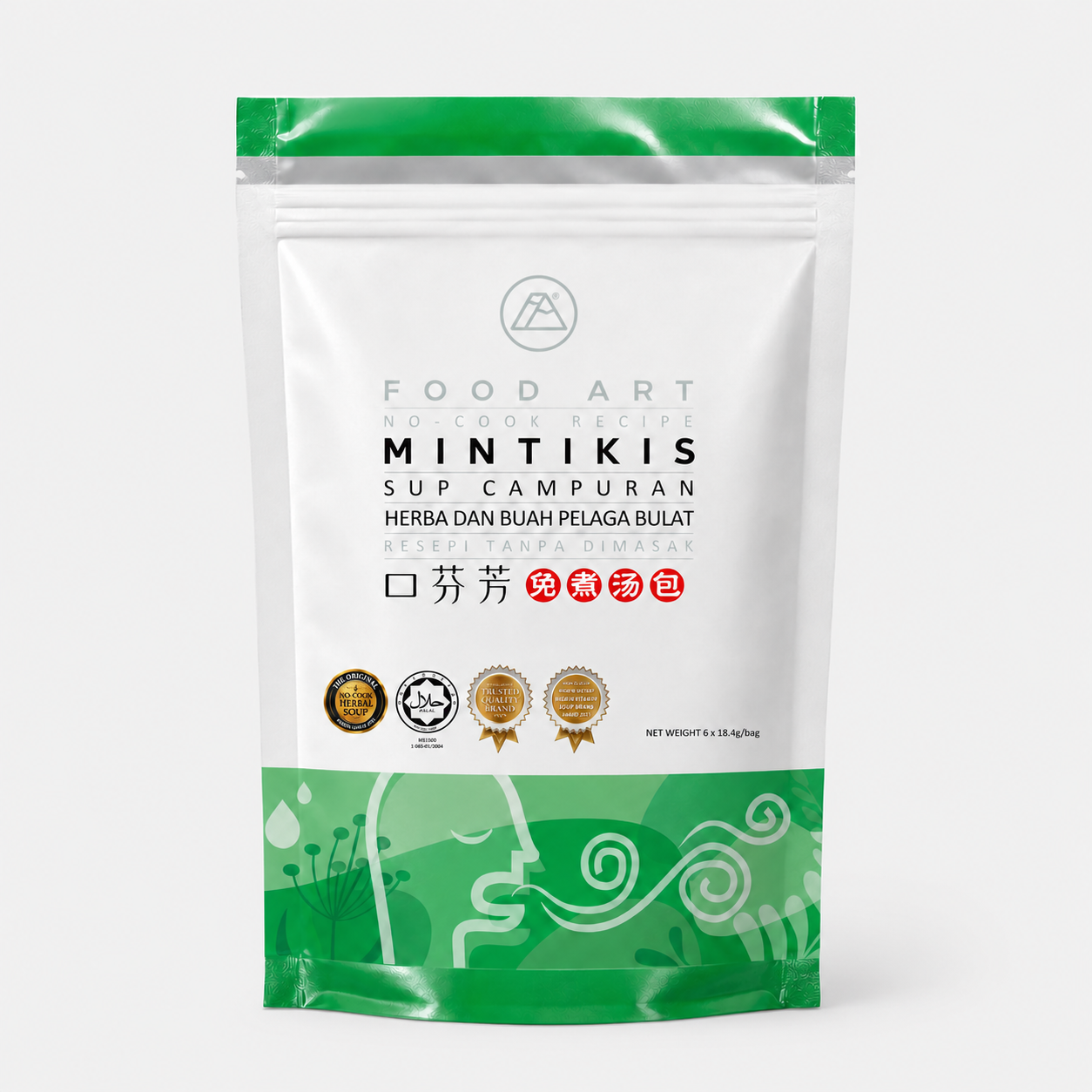
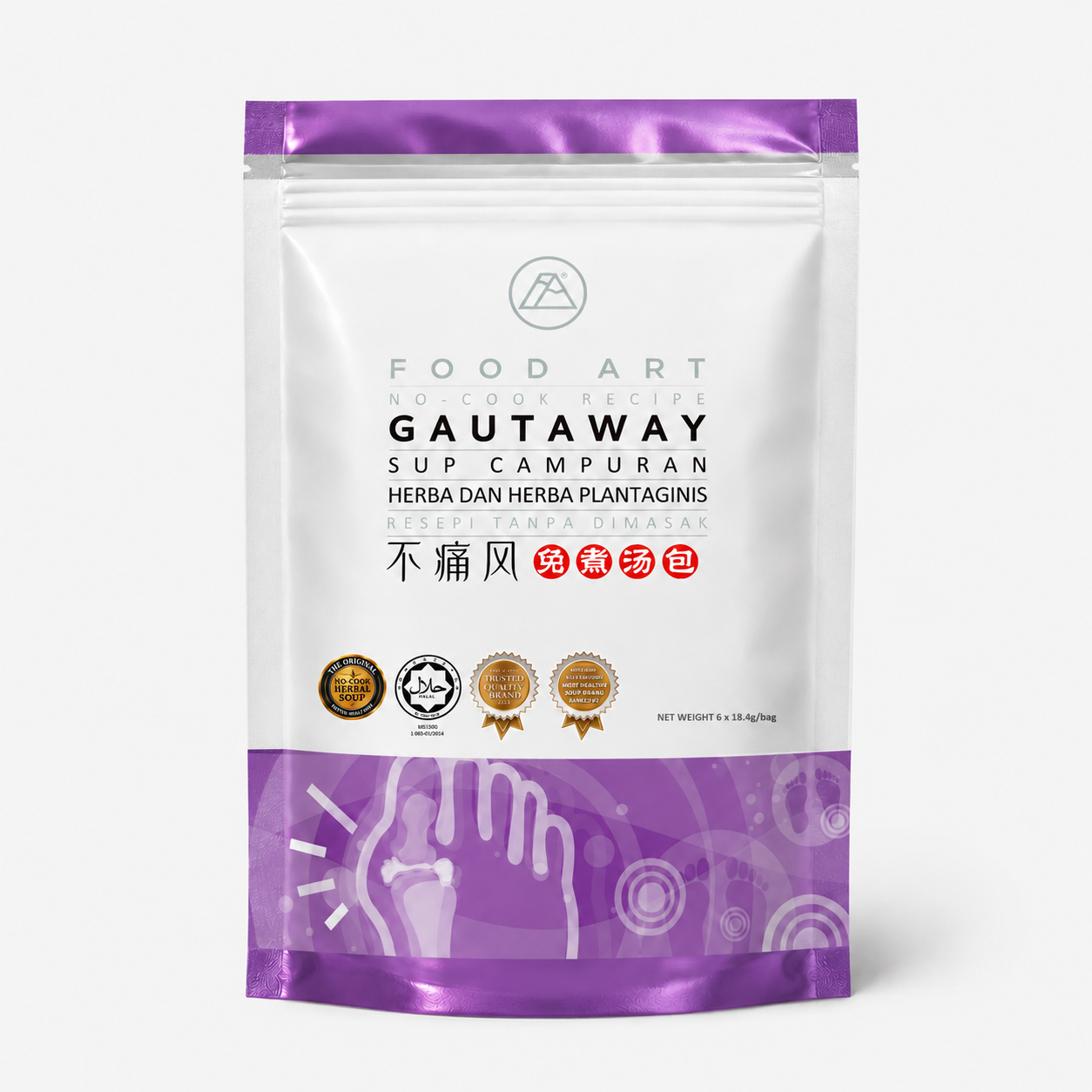
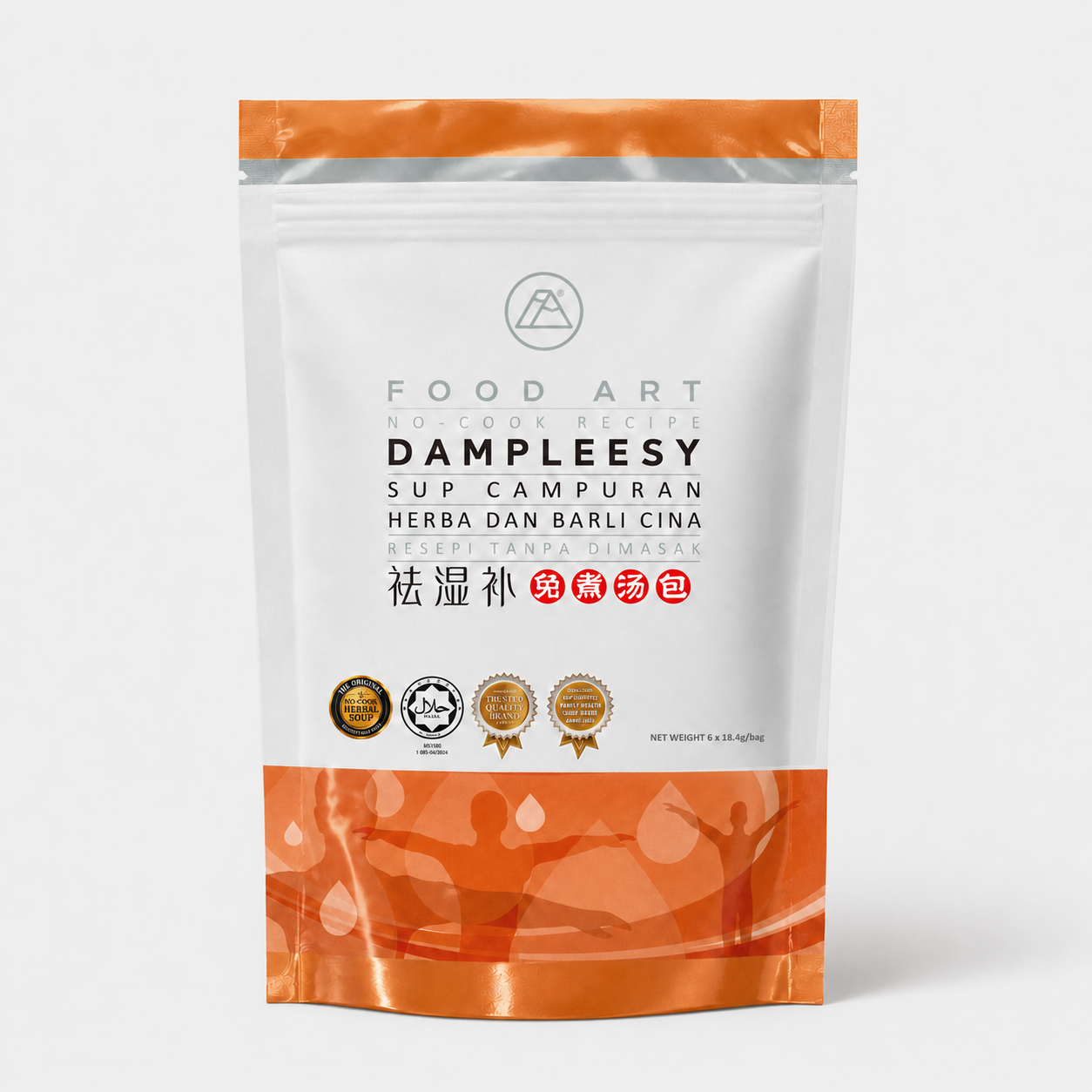
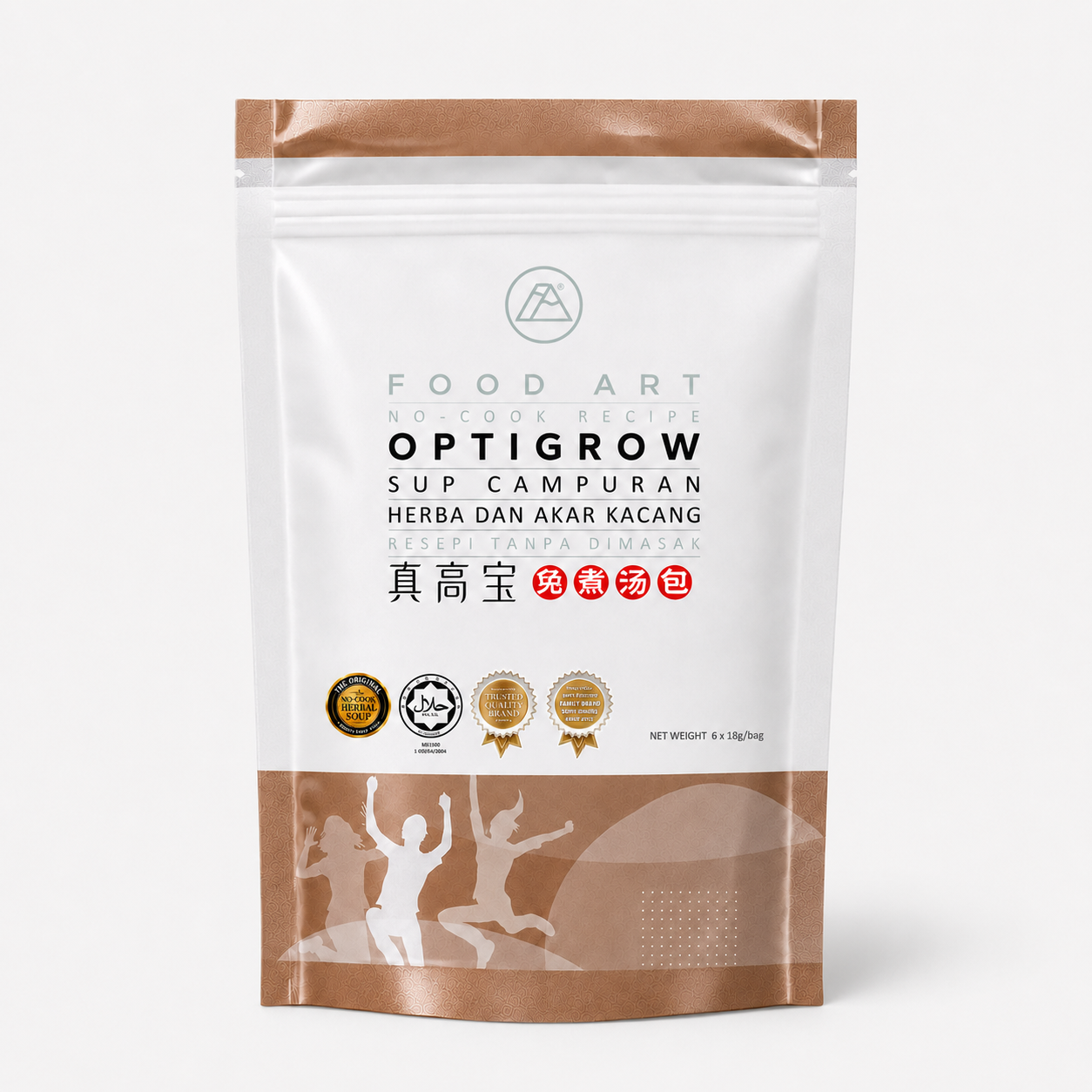
Adlay is a key ingredient in these Food Art no-cook herbal soups, thoughtfully formulated to provide its nourishing qualities in a convenient, ready-to-brew format.


The information provided on this page is for educational and informational purposes only and does not constitute medical advice. Please consult a qualified healthcare professional before using any herbal products.