





Akar Fo-Ti
Akar penggelap rambut yang legenda — Akar Akar Shou Wu menguatkan Hati dan Buah Pinggang, menyuburkan Darah dan, serta menjelmakan visi TCM tentang panjang umur yang anggun dan bertenaga.

Apakah Akar Shou Wu?
Akar Shou Wu, juga dikenali sebagai Fo-Ti di Barat, ialah akar berubi diproses Polygonum multiflorum (kini dikelaskan semula sebagai Reynoutria multiflora), pokok menjalar berasal dari tengah dan selatan China. Namanya — secara harfiah 'rambut hitam He' — berasal daripada tokoh legenda Dinasti Tang bernama He Tianer, yang rambut kelabunya dilaporkan kembali hitam selepas memakan akar ini, mengaitkannya secara kekal dengan kesihatan rambut dan panjang umur dalam kesedaran budaya Cina.
Dalam TCM, bentuk disediakan (zhi) Akar Akar Shou Wu dikelaskan sebagai pahit, manis dan kelat, dengan sifat sedikit hangat, bertindak pada saluran Hati dan Buah Pinggang. Ia digunakan untuk menguatkan pati dan Darah Hati dan Buah Pinggang, menggelapkan dan menguatkan rambut, mengukuhkan urat dan tulang, serta menenangkan. Bentuk mentah (sheng) mempunyai sifat julap yang agak berbeza yang digunakan untuk melembapkan usus dan menjernihkan panas toksik — kedua-dua bentuk dianggap sebagai bahan berbeza dalam amalan klinikal. Akar Akar Shou Wu diproses mesti disediakan dengan betul menggunakan jus kacang hitam dan masakan kukus untuk mengurangkan kandungan antrakuinon hepatotoksik; pemprosesan yang betul adalah penting untuk keselamatan.
Sejarah & Asal Usul
Akar Akar Shou Wu menduduki kedudukan unik dalam perubatan herba Cina — merentasi farmakologi dan legenda. Walaupun ceritanya penuh dengan mitologi, penggunaan klinikalnya sebagai tonik Hati-Buah Pinggang dan penyubur Darah berasaskan dua milenium kesarjanaan materia medica.
Kegunaan Tradisional
Kesihatan Rambut & Beruban
Aplikasi Akar Akar Shou Wu yang paling terkenal — digunakan untuk menyuburkan Yin dan Darah Hati dan Buah Pinggang, menyokong penghasilan rambut hitam yang sihat dan menangani beruban pramatang.
Penguatan Hati & Buah Pinggang
Mengisi semula Yin dan pati saluran Hati dan Buah Pinggang untuk menangani kelemahan berkaitan usia, sakit pinggang bawah, sakit lutut, pening dan tinnitus akibat kekurangan.
Pemupukan Darah
Dikelaskan sebagai tonik Darah, ia digunakan untuk corak kekurangan Darah yang muncul sebagai pucat, berdebar, insomnia, pening dan ketidakteraturan haid.
Penguatan Urat & Tulang
Menyuburkan Hati dan Buah Pinggang secara automatik menyokong urat dan tulang — tisu yang ditadbir oleh kedua-dua organ ini — menangani kelemahan, kekakuan dan kemerosotan muskuloskeletal berkaitan usia.
Menenangkan & Tidur
Pemupukan Darah dan Yin menenangkan (semangat), membantu menangani kegelisahan, insomnia dan ketidakstabilan emosi yang berkaitan dengan corak kekurangan.
Pelembapan Usus (Bentuk Mentah)
Bentuk mentah (tidak diproses) mempunyai aplikasi julap dan penyahtoksik tersendiri untuk sembelit akibat kekeringan kekurangan Darah dan bengkak toksik — digunakan secara berasingan daripada bentuk diproses yang menguatkan.
Manfaat Kesihatan
-
Menggelapkan & Menguatkan RambutHerba utama TCM untuk kesihatan rambut — menyuburkan pati Hati dan Buah Pinggang yang mentadbir warna, ketebalan dan daya hidup rambut.
-
Menguatkan Hati & Buah PinggangMengisi semula pati asas dan Yin Hati dan Buah Pinggang, menangani kemerosotan berkaitan usia merentasi pelbagai sistem badan.
-
Menyuburkan DarahMembina Darah untuk menyelesaikan corak kekurangan: pucat, pening, berdebar, ketidakteraturan haid dan kesusutan selepas sakit.
-
Menguatkan Urat & TulangMelalui penguatan Hati-Buah Pinggangnya, menyokong kesihatan tisu penghubung, sendi dan tulang, relevan dengan kelemahan muskuloskeletal berkaitan usia.
-
Memerlukan Pemprosesan BetulHanya bentuk yang disediakan dengan betul (zhi) — diproses dengan kacang hitam — patut digunakan untuk tujuan tonik; herba mentah mempunyai tindakan berbeza dan risiko hepatotoksisiti lebih tinggi tanpa penyediaan yang betul.
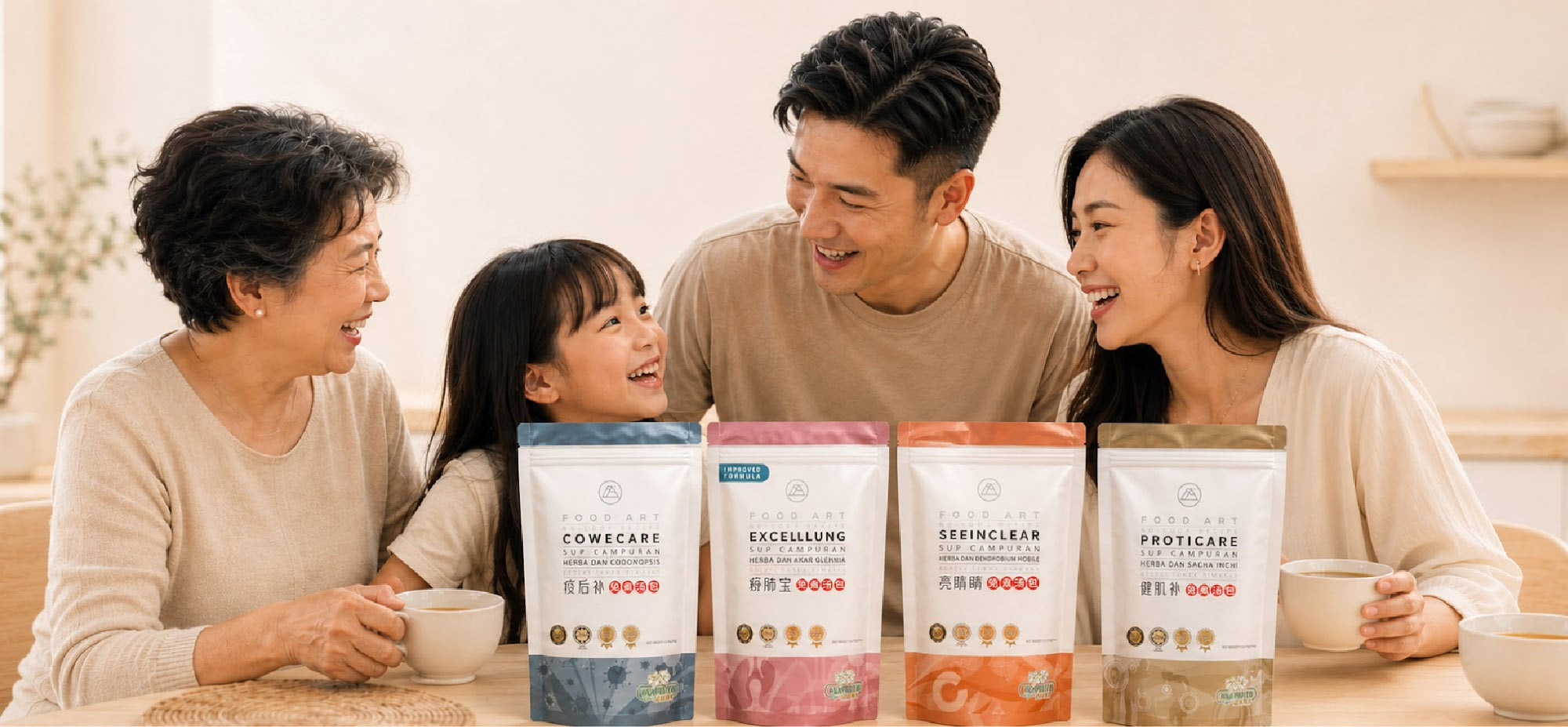
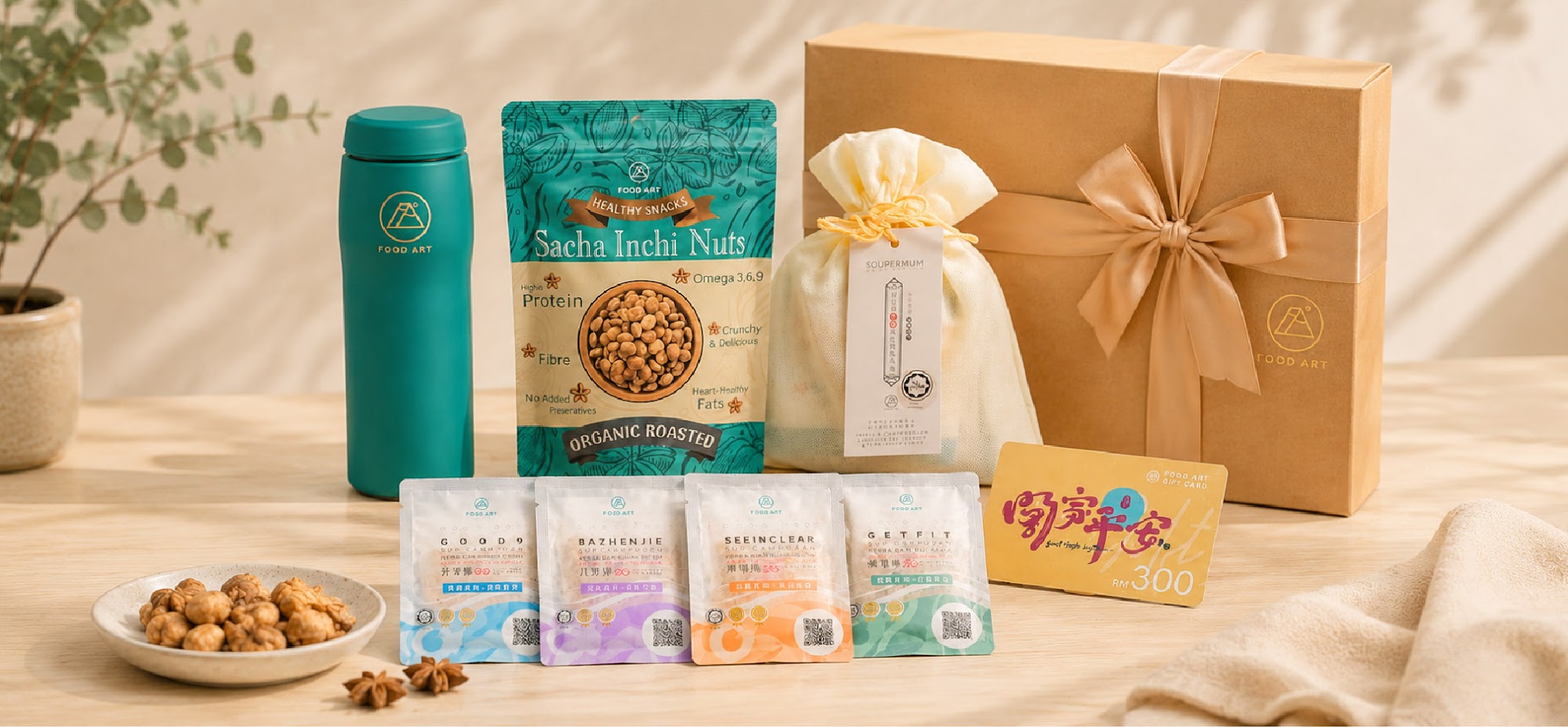
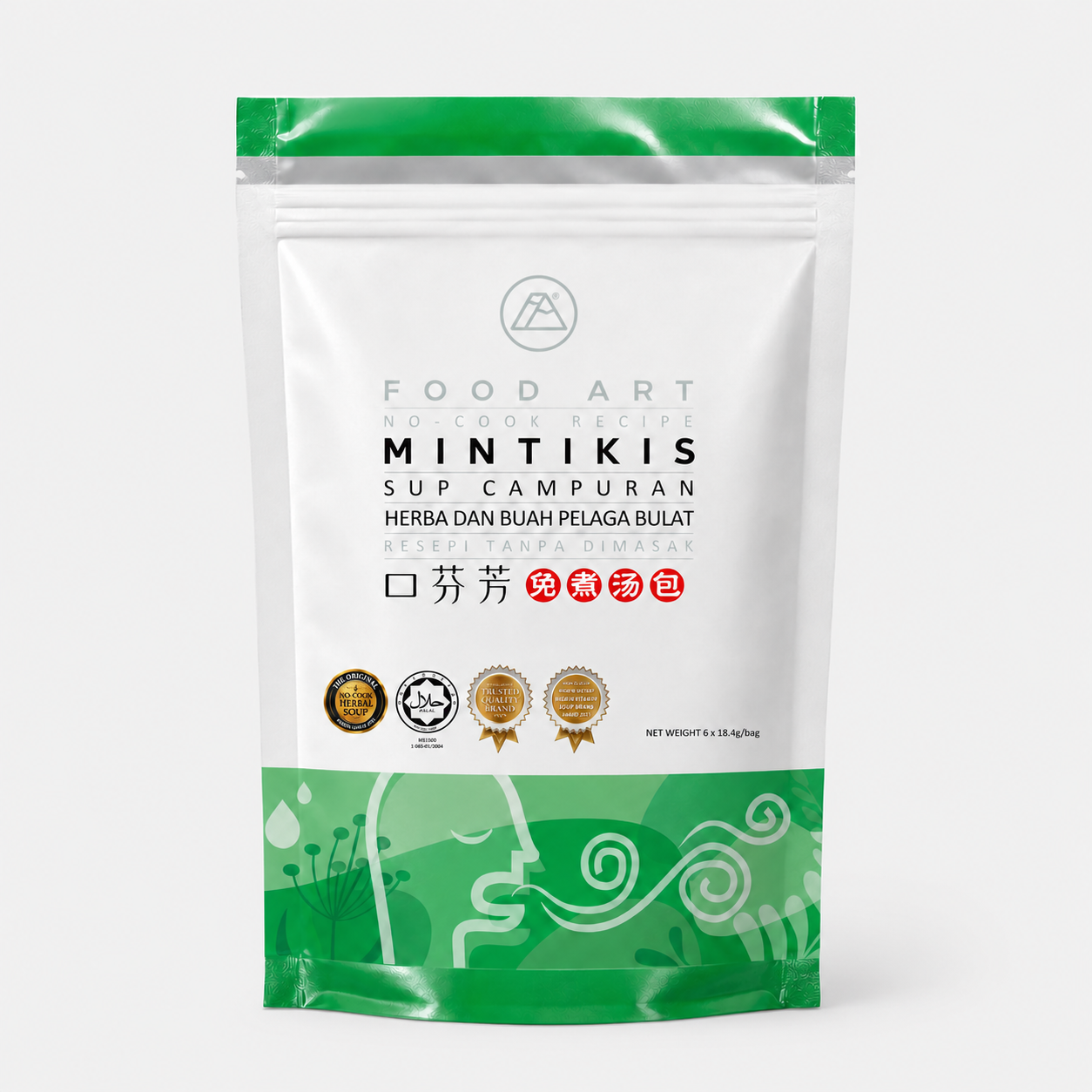
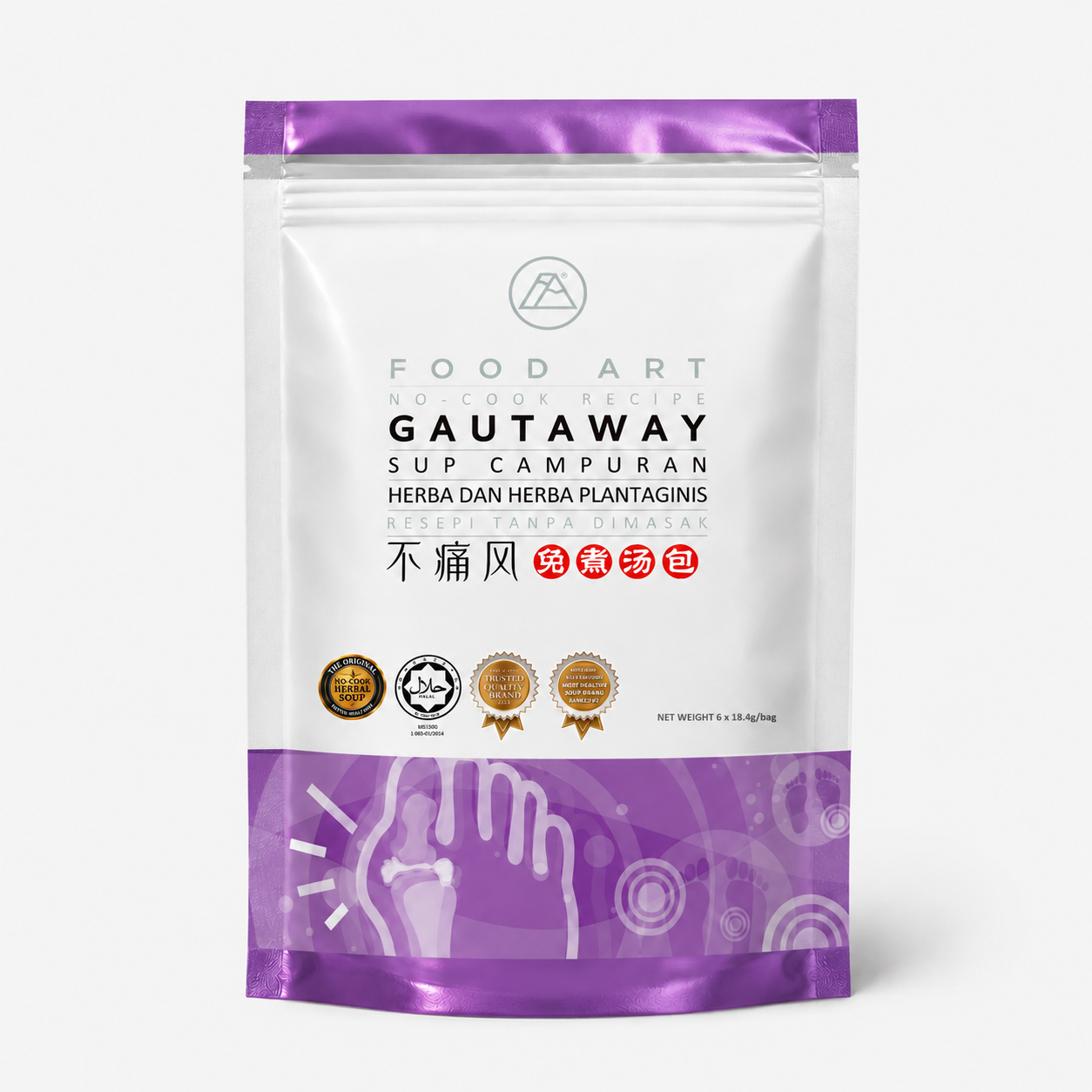
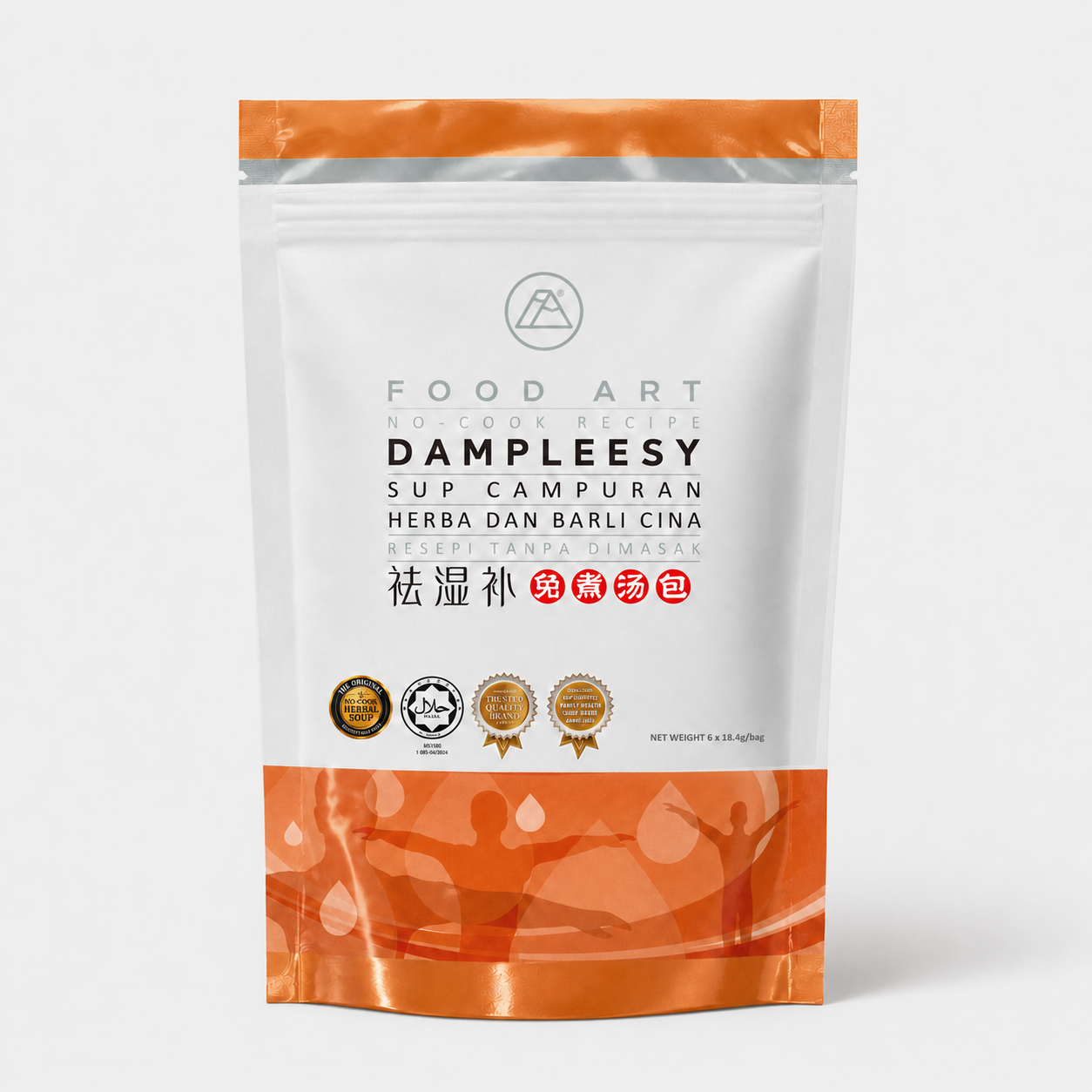
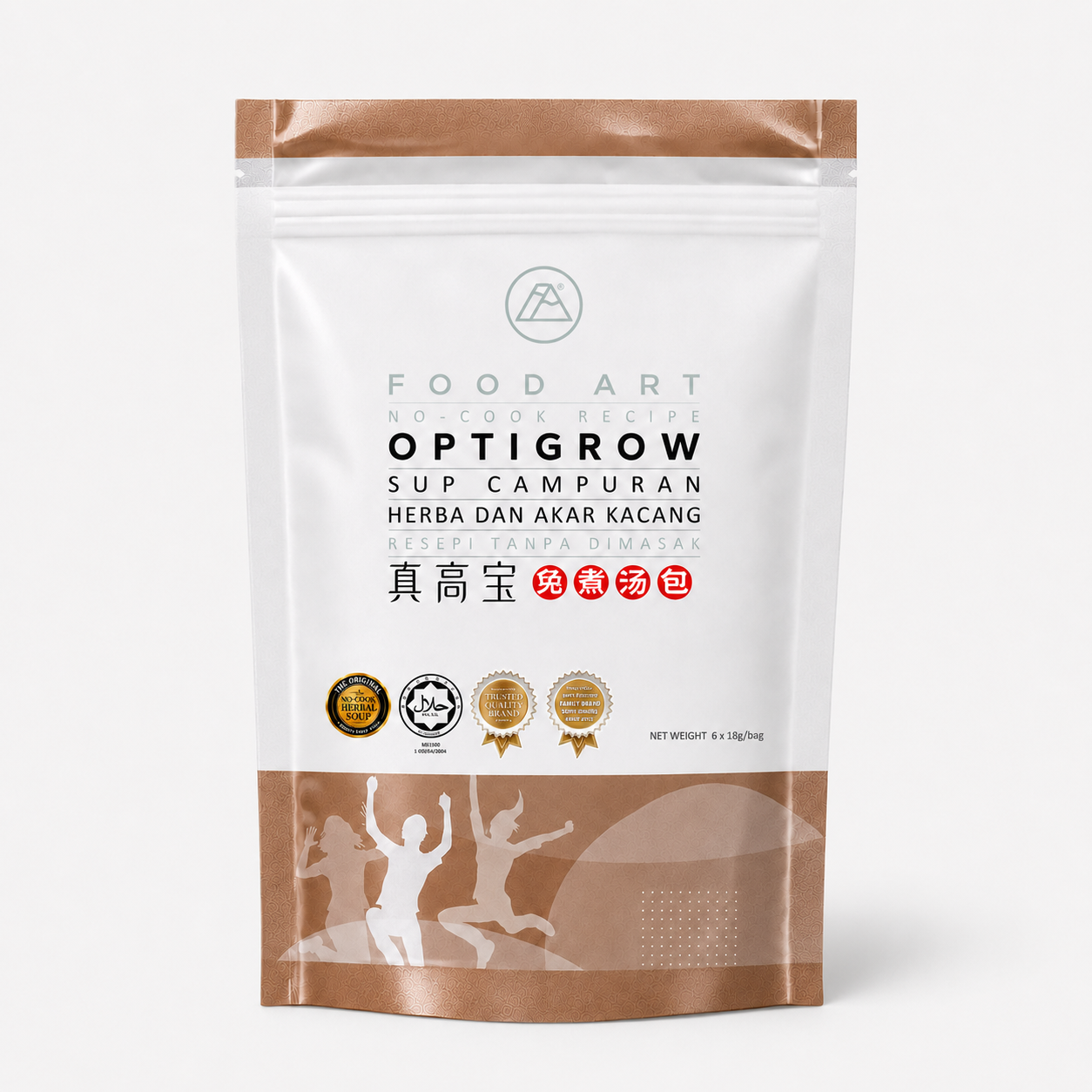
Akar Akar Shou Wu adalah ramuan utama dalam sup herba Food Art tanpa masak, yang dirumus dengan teliti untuk memberikan khasiatnya dalam format mudah dan sedia dibancuh.


Maklumat yang disediakan di halaman ini adalah untuk tujuan pendidikan dan rujukan sahaja dan tidak boleh dianggap sebagai nasihat perubatan. Sila dapatkan nasihat daripada profesional penjagaan kesihatan yang bertauliah sebelum menggunakan sebarang produk herba.