




Poria dengan Akar Pain
Poria yang tumbuh di sekeliling akar pain — bentuk halus Poria Cocos dengan pertalian yang dipertingkatkan kepada Jantung, dihargai kerana menenangkan dan memupuk ketenangan yang mendalam dan nyenyak.

Apakah Poria dengan Akar Pain?
Poria dengan Akar Pain ialah sediaan khusus Wolfiporia extensa di mana sklerotium kulat telah tumbuh terus di sekeliling akar pokok pain. Bahagian kulat Poria ini, dengan akar pain pada terasnya, dianggap oleh perubatan Cina klasik mempunyai tindakan yang lebih kuat pada saluran Jantung dan keupayaan yang lebih ketara untuk menenangkan (semangat/minda) berbanding Poria biasa. Ia berkongsi sifat manis, tawar, neutral herba induknya tetapi mengarahkan tindakannya lebih khusus kepada Jantung dan Limpa, menjadikannya bentuk pilihan dalam formula untuk gangguan emosi dan psikologi.
Teks klasik menerangkan kesan menenangkan Poria dengan Akar Pain yang lebih unggul melalui konsep "pain memegang semangat" — akar pain pada terasnya secara simbolik menambat minda. Secara klinikal, ia digunakan untuk insomnia, berdebar-debar akibat terkejut, ingatan lemah, mudah lupa, dan kebimbangan yang timbul daripada kekurangan Jantung atau kekurangan berkembar Jantung-Limpa. Ia muncul dalam formula seperti formula klasik, dan formula klasik. Penyelidikan moden mengaitkan kesan menenangkannya dengan polisakarida yang memodulat aktiviti neurotransmiter dan menyokong laluan GABAergik, menyokong peranan tradisionalnya sebagai penenang yang lembut dan berkhasiat.
Sejarah & Asal Usul
Poria dengan Akar Pain telah dibezakan daripada Poria biasa dalam kesusasteraan perubatan Cina sejak Dinasti Tang, dihargai secara khusus kerana sifat menenangkan Jantungnya yang tertumpu pada zaman apabila penyakit emosi dan gangguan tidur diiktiraf sebagai kebimbangan klinikal yang kritikal.
Kegunaan Tradisional
Insomnia & Kualiti Tidur Lemah
Menenangkan gangguan Jantung dan memberi khasiat kepada untuk menggalakkan tidur yang nyenyak, terutamanya dalam corak kekurangan Jantung-Limpa dengan fikiran berkecamuk atau berdebar-debar pada waktu malam.
Kebimbangan & Berdebar-debar akibat Terkejut
Menstabilkan terkejut, mengurangkan kebimbangan, dan menstabilkan degupan jantung dalam corak di mana ketakutan, kejutan, atau tekanan emosi telah mengganggu Jantung.
Ingatan Lemah & Mudah Lupa
Menyuburkan Qi Jantung dan Limpa untuk memberi khasiat kepada minda dan memperbaiki ingatan serta tumpuan dalam kemerosotan kognitif jenis kekurangan.
Kekurangan Berkembar Jantung-Limpa
Herba teras dalam formula klasik untuk corak klasik terlalu banyak berfikir, keletihan, selera makan lemah, berdebar-debar, dan insomnia yang timbul daripada kekurangan berkembar Jantung-Limpa.
Ketidakstabilan Emosi & Kegelisahan
Menyediakan penambatan lembut untuk dalam corak ketidaktentuan emosi, ayunan manik-depresif, atau kebimbangan ringan kronik akibat kekurangan.
Manfaat Kesihatan
-
Menggalakkan Tidur NyenyakMenenangkan Jantung dan memberi khasiat kepada untuk membantu menenangkan minda, memudahkan peralihan ke tidur, dan memperbaiki kualiti tidur dalam corak kekurangan.
-
Menstabilkan Berdebar-debarMenstabilkan irama Jantung dan mengurangkan berdebar-debar akibat terkejut dengan memberi khasiat kepada Qi Jantung dan menambat semangat.
-
Menyokong Ingatan & TumpuanMenyuburkan Jantung-Limpa untuk memperbaiki ingatan, tumpuan, dan stamina mental yang dilemahkan oleh terlalu banyak berfikir atau ketegangan emosi berpanjangan.
-
Meredakan KebimbanganDengan lembut mengurangkan kebimbangan dan kegelisahan tanpa penenangan yang keras, menjadikannya sesuai untuk kegunaan kronik dalam gangguan emosi jenis kekurangan.
-
Memberi Khasiat kepada LimpaMengekalkan sifat menguatkan Limpa dan menyalirkan kelembapan Poria sambil menambah manfaat menenangkan jantung yang dipertingkatkan untuk kesan tonik yang menyeluruh.
Sup Menampilkan Poria dengan Akar Pain
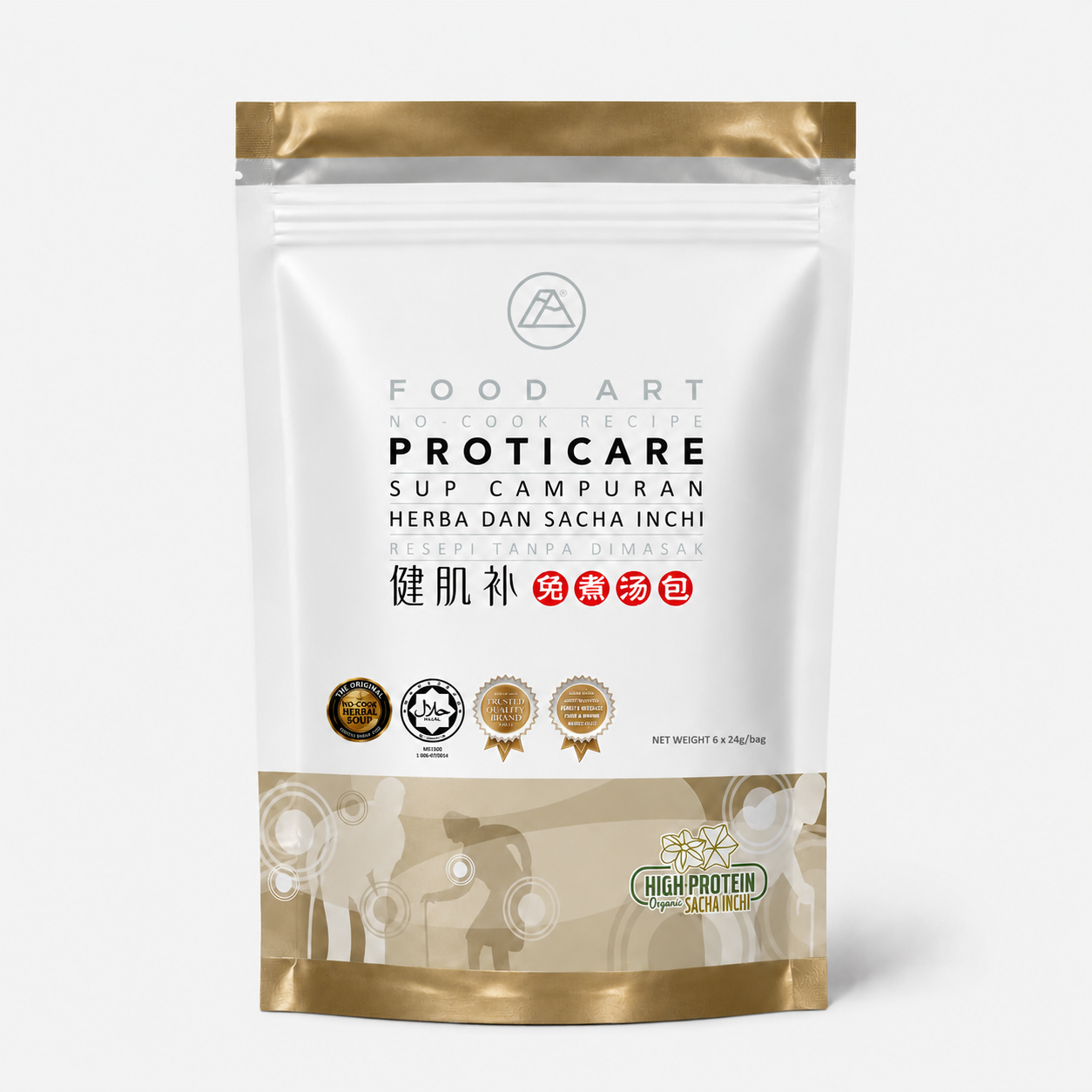
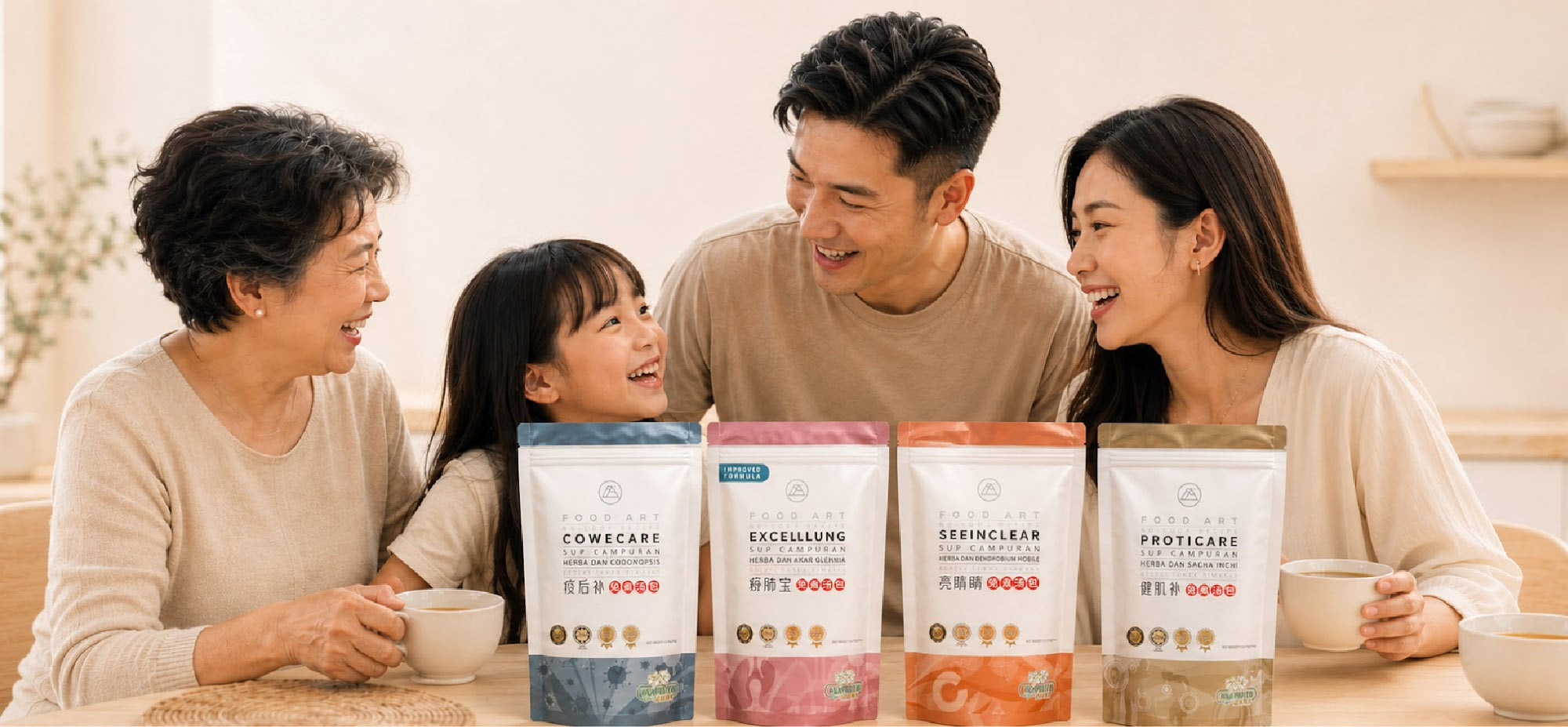
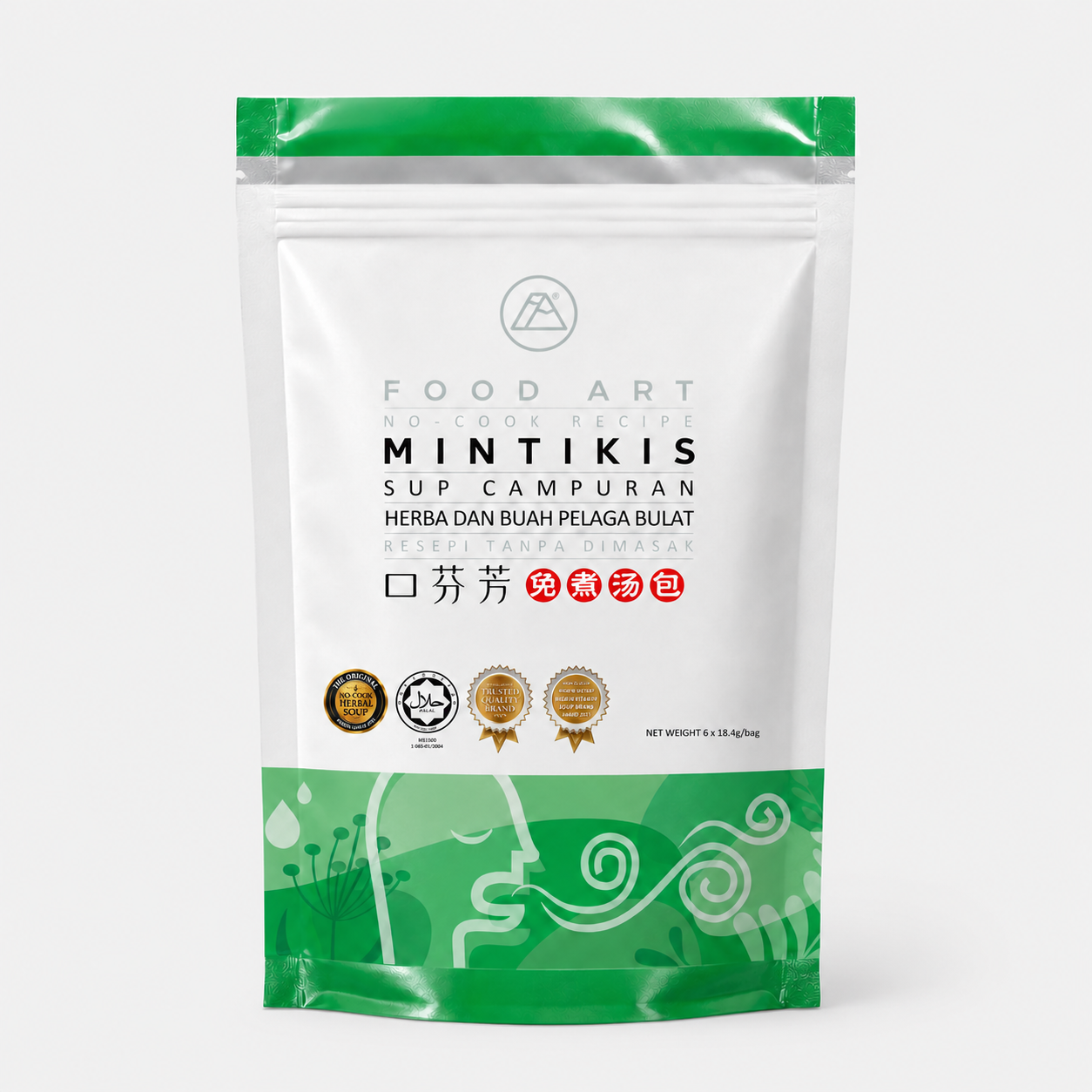
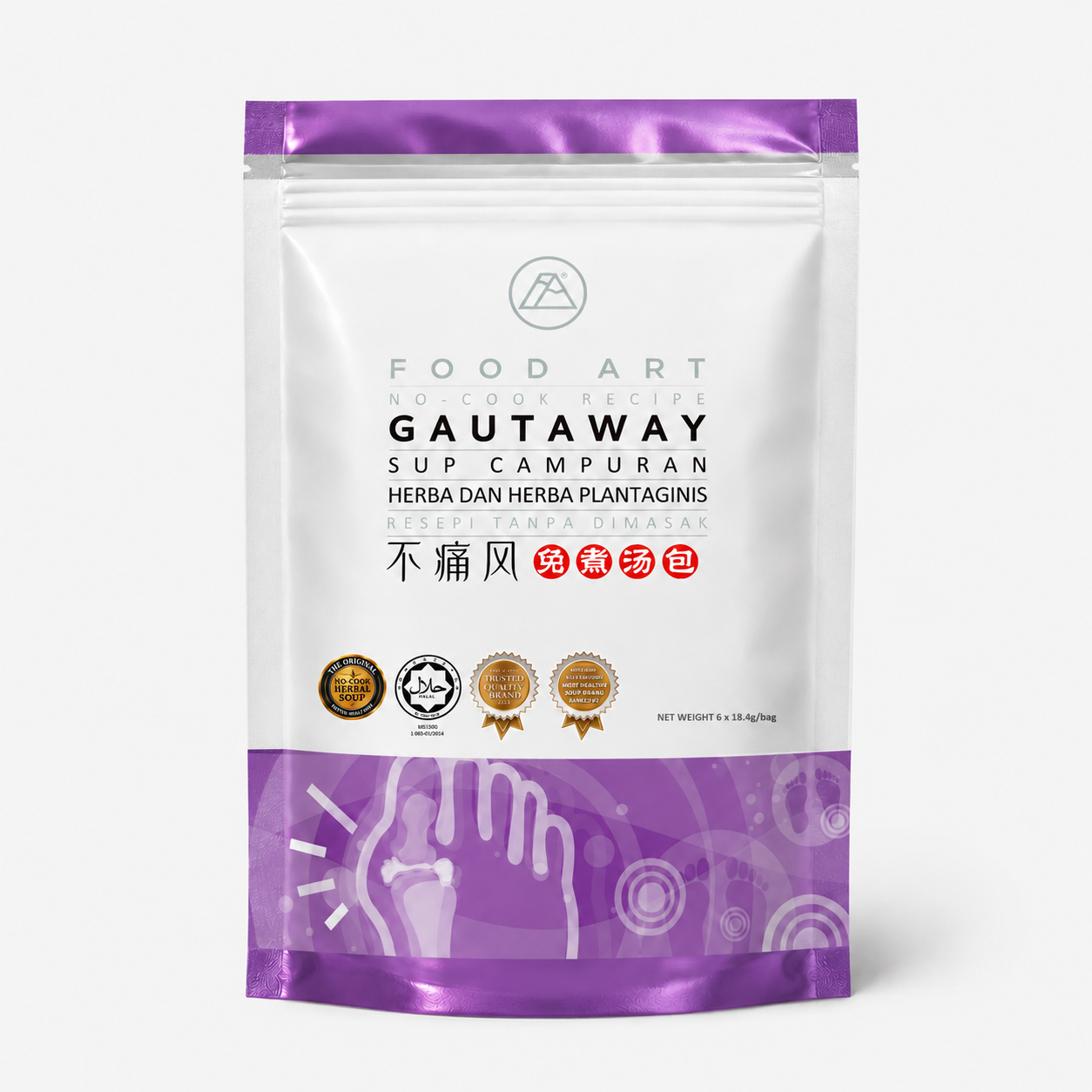
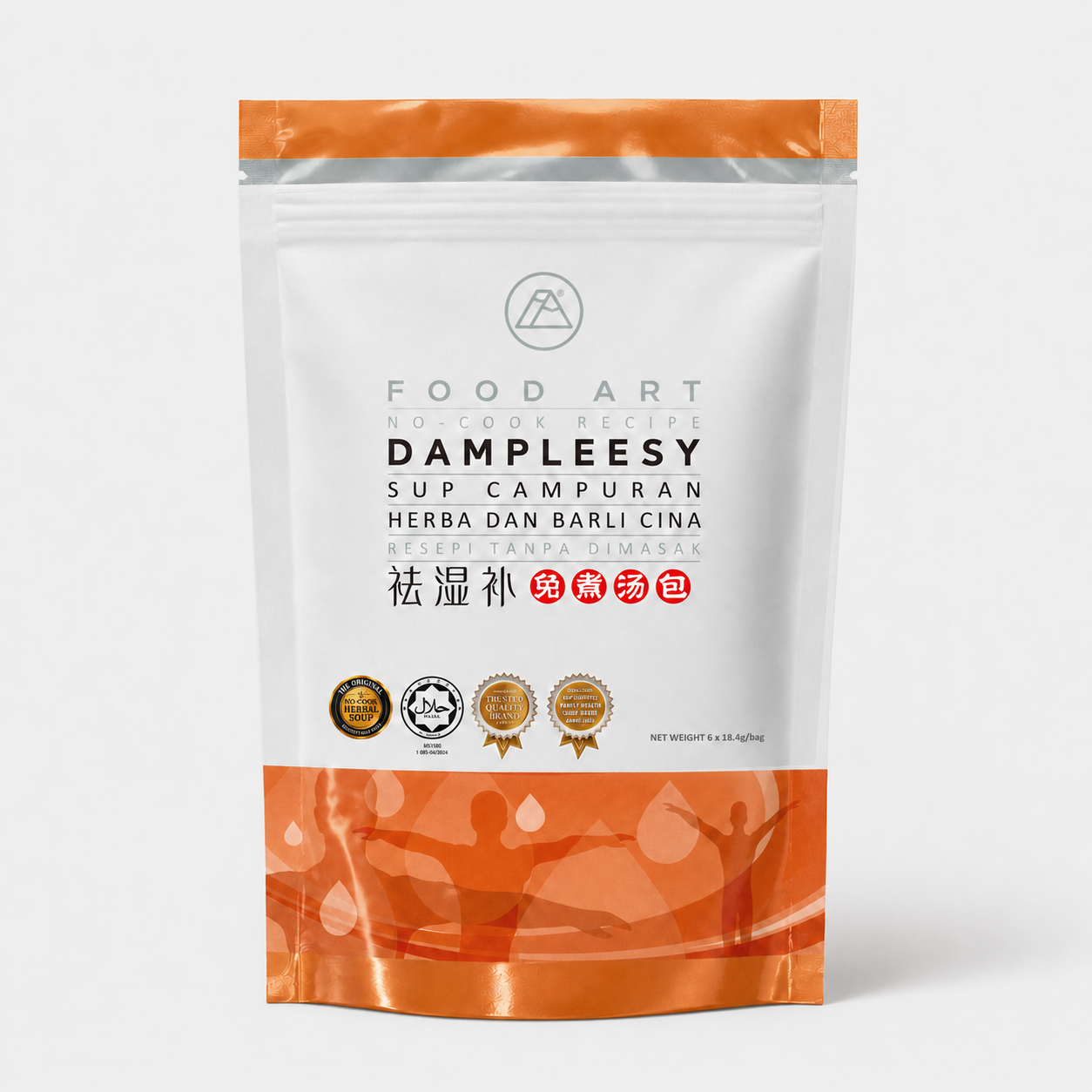
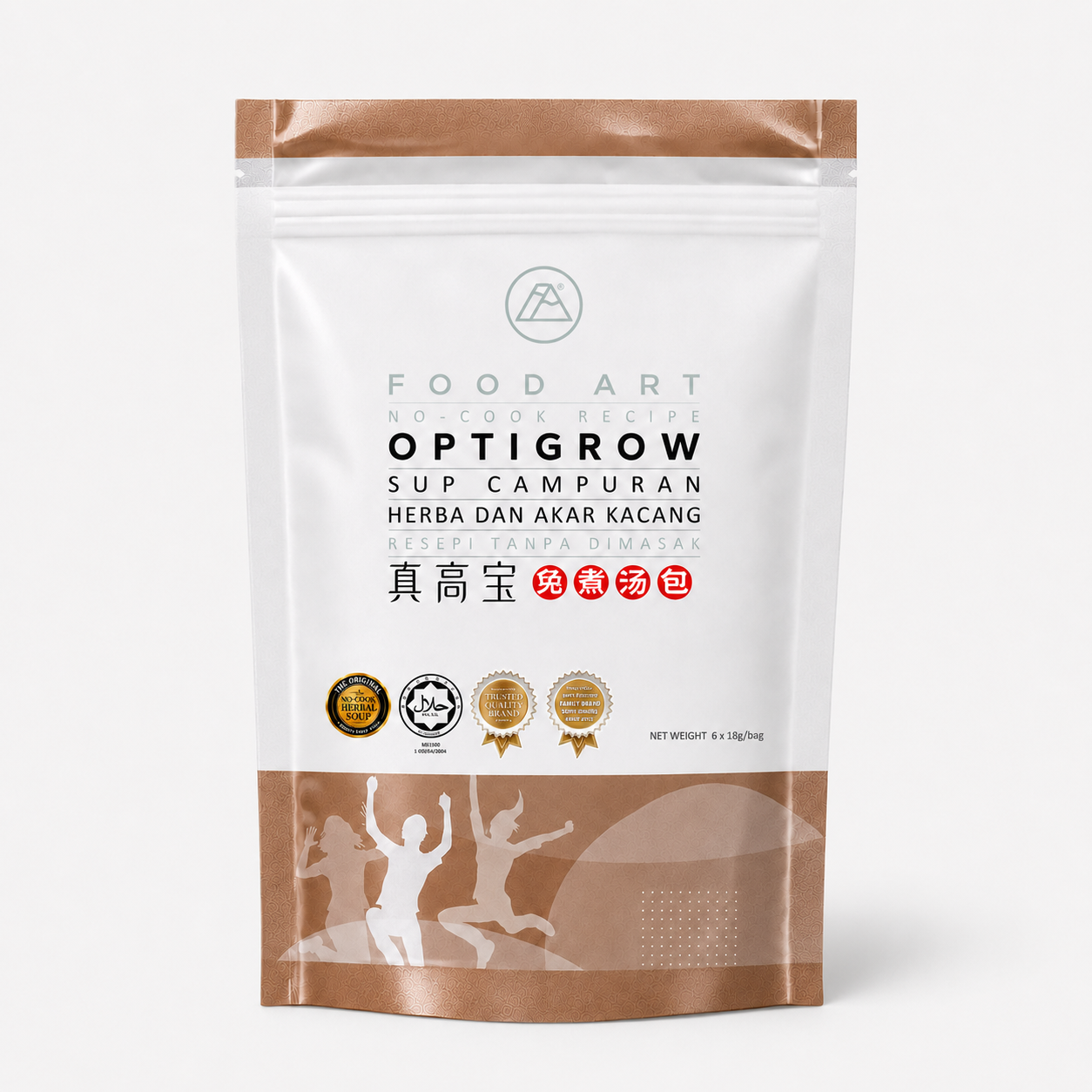
Poria dengan Akar Pain adalah ramuan utama dalam sup herba Food Art tanpa masak, yang dirumus dengan teliti untuk memberikan khasiatnya dalam format mudah dan sedia dibancuh.

Maklumat yang disediakan di halaman ini adalah untuk tujuan pendidikan dan rujukan sahaja dan tidak boleh dianggap sebagai nasihat perubatan. Sila dapatkan nasihat daripada profesional penjagaan kesihatan yang bertauliah sebelum menggunakan sebarang produk herba.