




Lobak Merah Dehidrasi
Lobak merah kering yang pekat — bahan terapi makanan yang memelihara mata, menguatkan Limpa, membersihkan pengumpulan usus, dan memberikan dos beta-karoten yang berkuasa dalam setiap hidangan.

Apakah Lobak Merah Dehidrasi?
Lobak Merah Terdehidrat ialah bentuk kering Daucus carota, lobak merah biasa, sayur akar dwitahunan dalam keluarga Apiaceae (lobak merah) yang ditanam di seluruh dunia. Namanya yang bermaksud secara literal 'lobak orang gasar' mencerminkan pengenalan lobak merah ke China dari Asia Tengah menerusi Jalan Sutera, membezakannya daripada varieti lobak asli Cina. Pendehidratan mengeluarkan air sambil memekatkan gula semula jadi, perisa, dan yang paling penting antioksidan larut lemaknya — terutamanya beta-karotena, pigmen yang bertanggungjawab untuk warna jingganya yang terang dan sebatian provitamin A utama dalam diet manusia.
Dalam terapi makanan dan perubatan Cina tradisional, lobak merah diklasifikasikan sebagai manis dan neutral dari segi rasa dan sifat, memasuki saluran Paru-paru, Limpa, dan Hati. Ia digunakan untuk menguatkan Limpa dan Perut, memberi manfaat kepada Hati dan mata (melalui kandungan beta-karotennya yang memelihara Hati), menyahkan pengumpulan usus seperti cacing gelang dan gangguan pencernaan pada kanak-kanak, serta melembapkan Paru-paru untuk melegakan batuk. Lobak merah terdehidrat dihargai dalam sup herba dan bubur kerana proses pengeringan memekatkan nutrien dan memberikan lobak merah tekstur yang kenyal dan beraroma yang melepaskan kemanisannya secara perlahan ke dalam sup. Pemakanan moden mengesahkan bahawa lobak merah terdehidrat mengekalkan hampir kesemua kandungan beta-karoten, serat, dan mineralnya, menjadikannya bahan makanan super yang mudah dan tahan lama.
Sejarah & Asal Usul
Lobak merah (Bo) sampai ke China dari Asia Tengah sekitar dinasti Yuan; dalam terapi makanan China ia dihargai kerana menguatkan Limpa, membantu penghadaman dan memanfaatkan mata.
Kegunaan Tradisional
Kesihatan Mata & Liver Nourishment
Kandungan beta-karoten yang tinggi bertukar kepada vitamin A dalam badan, menyokong kesihatan retina dan penglihatan malam; selari dengan penggunaan lobak merah dalam TCM untuk memberi manfaat kepada Hati dan mencerahkan mata.
Spleen & Kekuatan Pencernaanening
Sifat manis-neutral menyuburkan Limpa dan Perut, meningkatkan pencernaan, penyerapan nutrien, dan selera makan — terutamanya berguna dalam sup untuk kanak-kanak atau individu dengan fungsi pencernaan yang lemah.
Penyahan Pengumpulan Usus
Penggunaan TCM klasik untuk menyahkan pengumpulan usus (stagnasi makanan, parasit pada kanak-kanak); beta-karoten dan serat menyokong persekitaran usus yang sihat dan pergerakan usus yang teratur.
Pelembapan Paru-paru & Pelegaan Batuk
Memasuki saluran Paru-paru untuk melembapkan kekeringan Paru-paru dan menyediakan sokongan pemakanan untuk batuk kering ringan, terutamanya pada musim luruh apabila kekeringan Paru-paru bersifat bermusim.
Antioksidan & Kesihatan Kulit
Beta-karoten dan karotenoid lain melindungi sel daripada kerosakan oksidatif, menyokong pigmentasi kulit yang sihat, dan mengukuhkan pertahanan imun — selari dengan peranan klasik lobak merah dalam memelihara Darah dan Qi.
Manfaat Kesihatan
-
Eye & Vision SupportSalah satu sumber tumbuhan terkaya dengan beta-karoten (provitamin A), secara langsung menyokong kesihatan retina, penglihatan cahaya rendah, dan pemeliharaan Yin Hati untuk mata dari segi TCM.
-
Tonik Limpa & PencernaanSifat manis-neutral menguatkan fungsi Limpa, menyokong pencernaan yang sihat, meningkatkan selera makan, dan membantu penyerapan nutrien — sesuai dalam sup dan bubur harian untuk seluruh keluarga.
-
Antioxidant ProtectionBeta-karoten, lutein, dan karotenoid lain dalam bentuk pekat memberikan perlindungan radikal bebas yang kukuh, menyokong fungsi imun dan mengurangkan tekanan oksidatif.
-
Lung MoisteningMemelihara Yin Paru-paru dan melembapkan kekeringan Paru-paru dengan lembut, menawarkan sokongan bermusim untuk batuk kering dan kerengsaan kerongkong, terutamanya pada musim luruh.
-
Nutrient ConcentrationDehidrasi memekatkan serat, kalium, vitamin K, vitamin B, dan karotenoid menjadi bahan yang tahan lama dan beraroma yang memberikan nilai pemakanan yang luar biasa per gram dalam sup dan kuah.
Sup Menampilkan Lobak Merah Dehidrasi
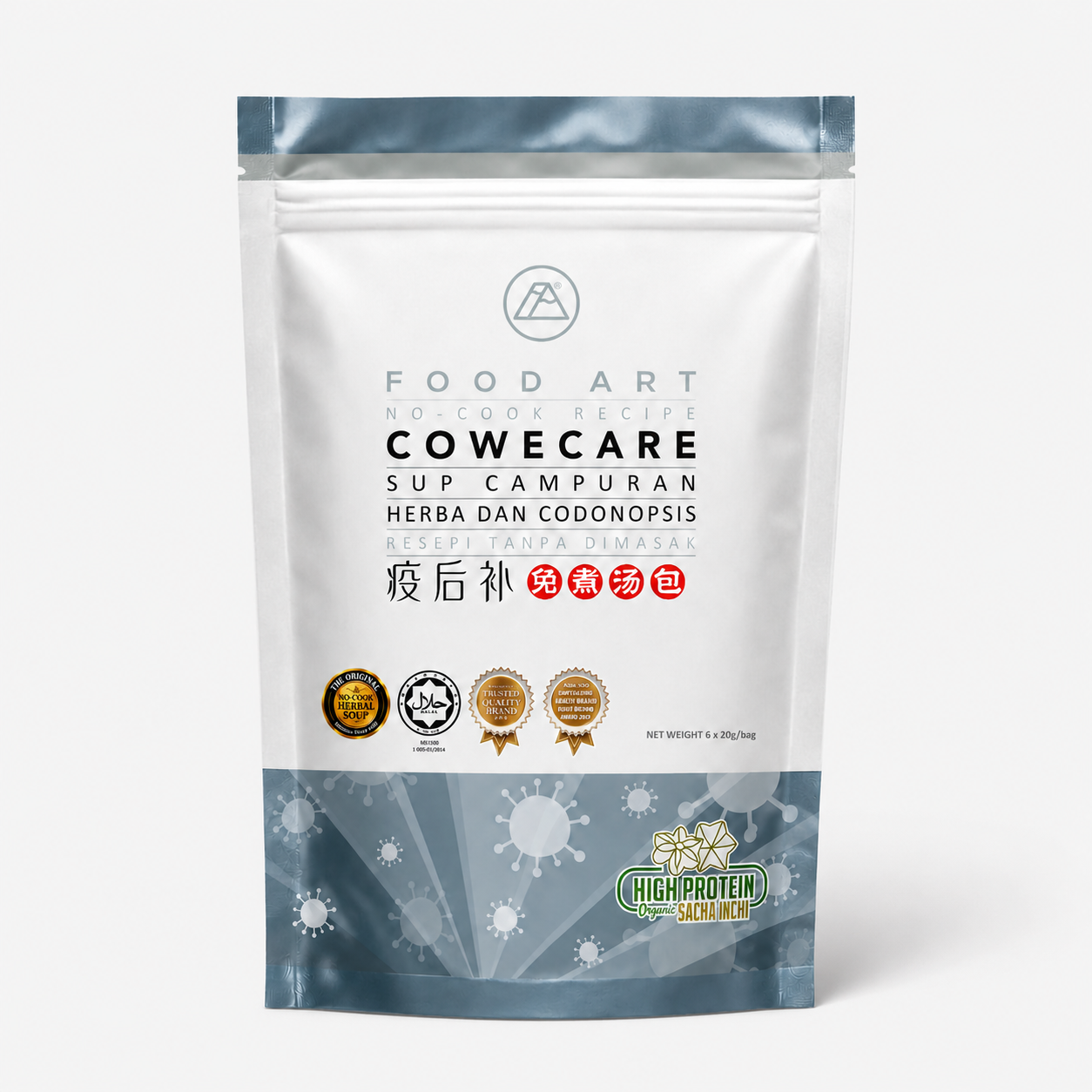
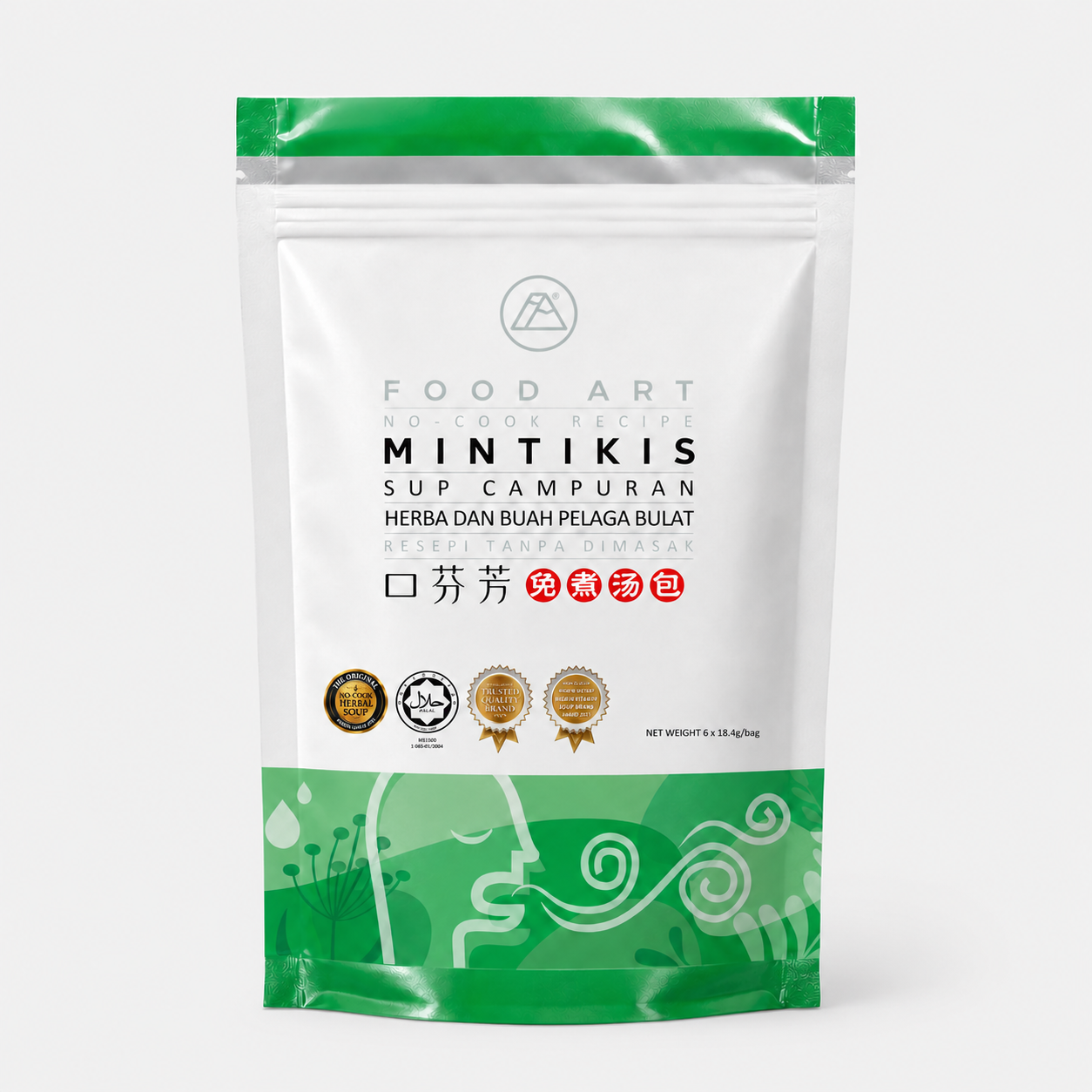
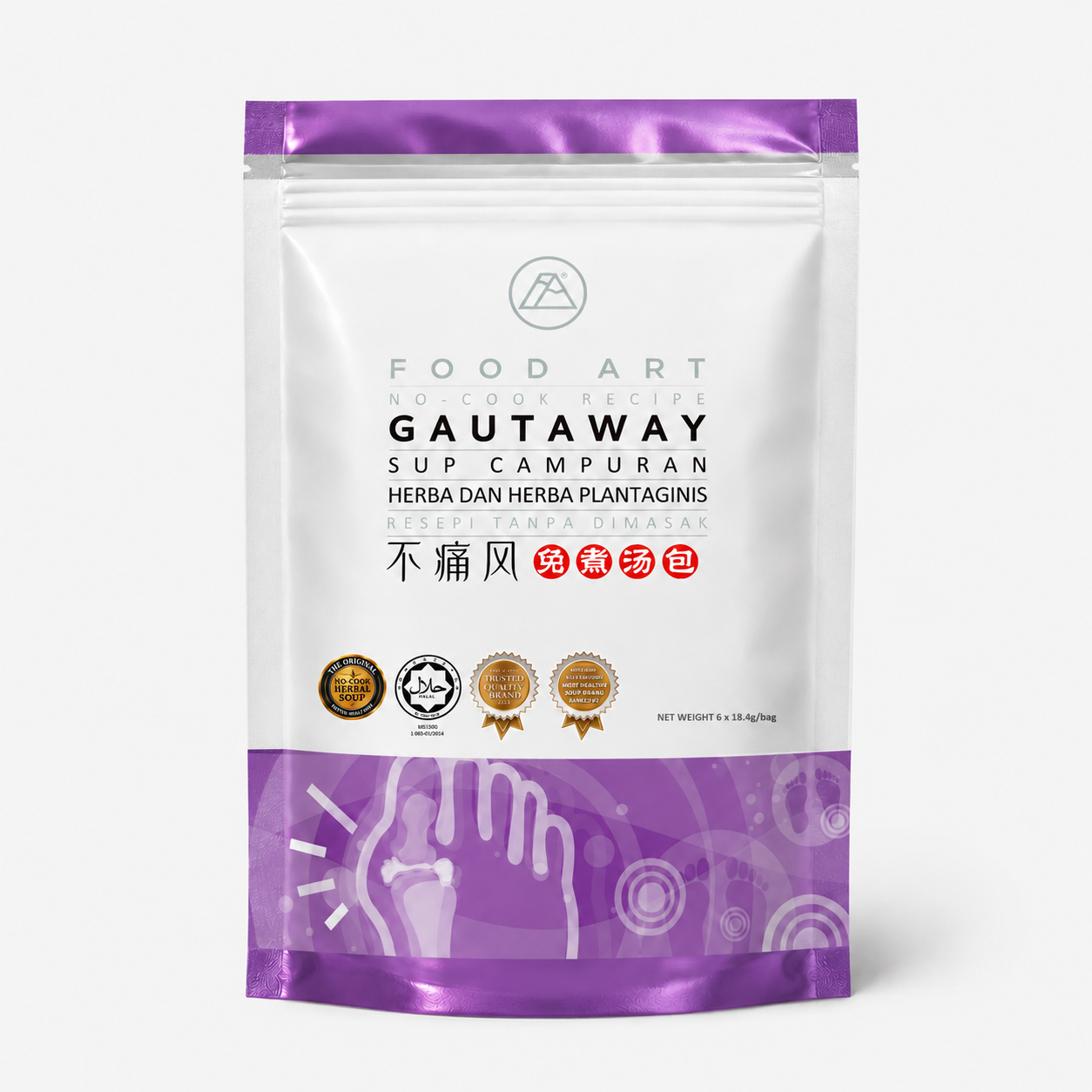
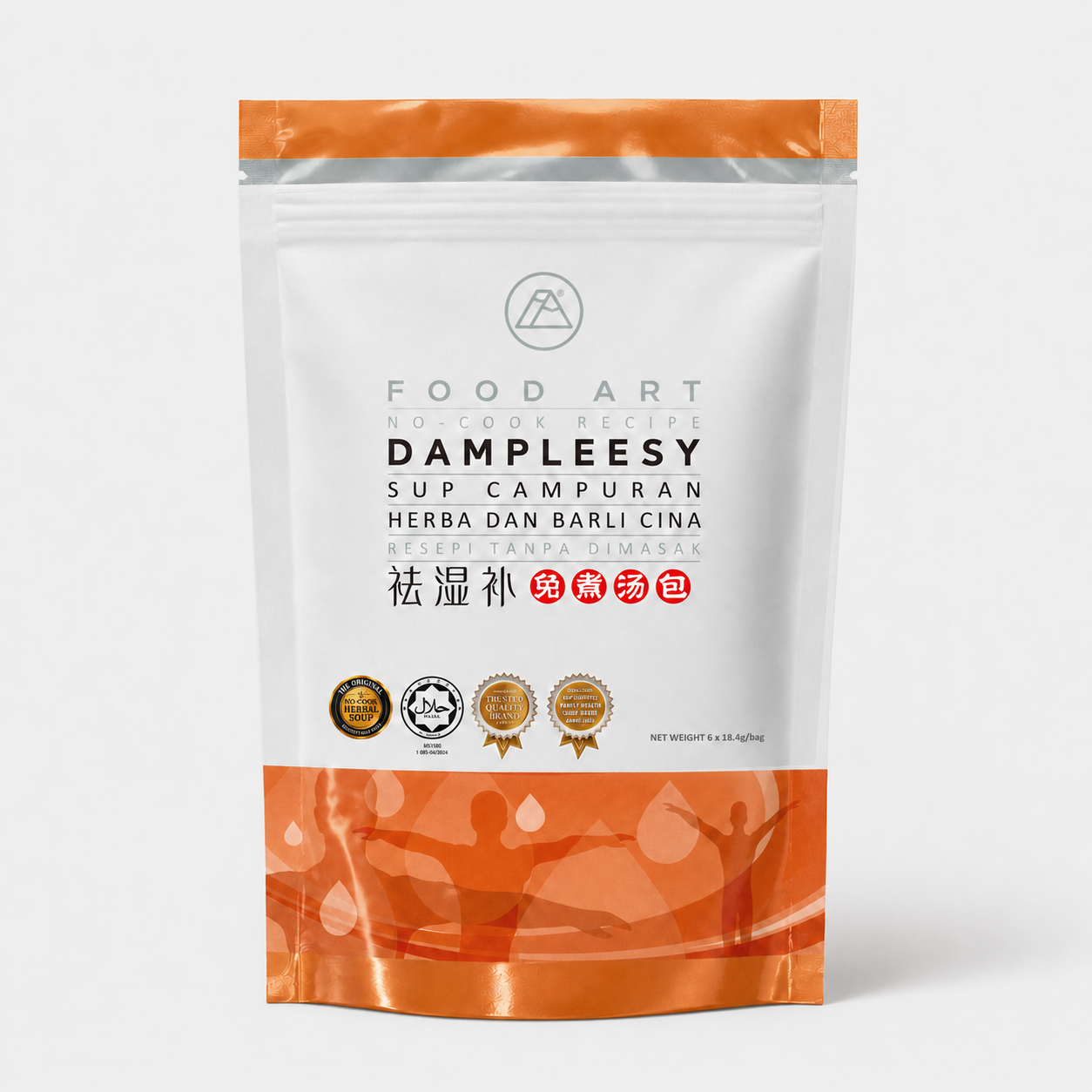
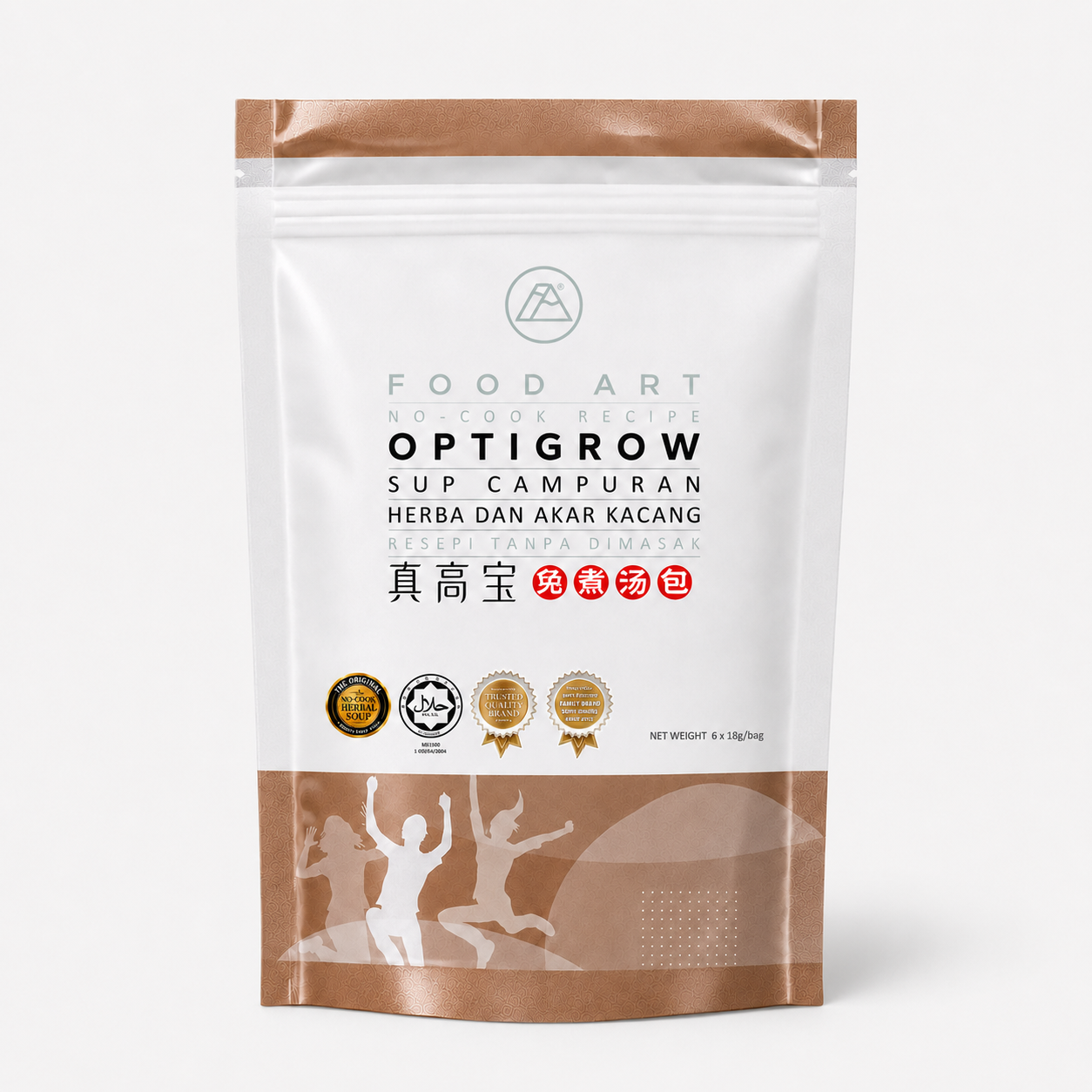
Lobak Merah Dehidrasi adalah ramuan utama dalam sup herba Food Art tanpa masak, yang dirumus dengan teliti untuk memberikan khasiatnya dalam format mudah dan sedia dibancuh.

Maklumat yang disediakan di halaman ini adalah untuk tujuan pendidikan dan rujukan sahaja dan tidak boleh dianggap sebagai nasihat perubatan. Sila dapatkan nasihat daripada profesional penjagaan kesihatan yang bertauliah sebelum menggunakan sebarang produk herba.